
HIV PEP – A Ray of Hope

The Human Immunodeficiency Virus known as HIV attacks a person’s immune system making them susceptible to infections like tuberculosis, opportunistic infections and even tumours. These are diseases that would normally not affect people with a strong immune system.

Although studies show that there is no cure for HIV, there are drugs available that can slow down the course of the disease and may help extend the life expectancy of a person infected by it.

The HIV pandemic is widespread in regions like Asia and Africa. The last five years have seen a 277% rise in HIV cases in the Philippines alone. Over 400 HIV positive cases were reported in 2007, in the Philippines. This figure rose to a staggering 2,400 cases in the year 2011. Representatives from the United Nation’s Program on HIV-AIDS in Manila, paint a gloomy picture stating that the Philippines is unlikely to meet the sixth Millennium Development Goal i.e. the goal set for reduction of HIV/AIDS.

In Africa, war-ravaged Uganda is also being crushed by the weight of HIV. Northern Uganda reportedly has the highest prevalence of HIV nationwide. A ballpark figure of 100,000 children live with HIV/AIDS in Uganda and at least half of these children reside in the Gulu district of Northern Uganda. Being the economic capital of Northern Uganda, Gulu has its own portfolio of challenges including poverty, child abuse and other health concerns.

Efforts are being made by organizations such as Opportunities Industrialization Centers (OIC) International’s Health, Nutrition & HIV/AIDS programs which educate communities regarding health issues and also provide palliative care to ensure that individuals and communities are equipped with knowledge to lead healthy lives.

Advancements in medical science have yielded two types of drugs that help counter HIV namely Pre-Exposure Prophylaxis (PrEP) and Post Exposure Prophylaxis (PEP). Truvada is a well-known antiretroviral drug. Truvada is a combination therapy because it has 2 medicines in one pill (emtricitabine and tenofovir disoproxil fumarate). Truvada is always used with other anti-HIV medicines to treat HIV-1 infection because Truvada alone is not a complete treatment. Truvada is a Pre-Exposure Prophylaxis (PrEP) drug which must be taken daily to block the transmission of HIV.

Post Exposure Prophylaxis (PEP), on the other hand is a line of HIV medication normally taken within the first 72 hours after a person is possibly exposed to the virus. PEP drugs help prevent the virus from spreading within the body. Health care workers, who have been exposed to the virus while taking care of an HIV+ patient and those that have engaged in sexual intercourse with a person with HIV need to be treated with PEP.

While medical science progresses to counter HIV anti-social elements are in play to further spread the virus and create new challenges for those working to help obliterate the deadly curse. A recent study in the US has found that HIV positive patients, faced with dire economic circumstances, are selling their HIV medications to HIV-negative people, who are using them as a preventative drug against contracting the virus. The motivating factors behind the rise of this new black market and its implications on the current status of HIV are discussed below.

Dr. Steven Kurtz from the Center for Applied Research on Substance Use and Health Disparities in Coral Gables, Florida, recently presented his research at the Conference of the Association for the Social Sciences and Humanities (ASSHH) on HIV in Stellenbosch, South Africa. ASSHH is a well reputed international membership organization geared towards promoting and supporting critically informed and theoretically engaged social science and humanities research on HIV/AIDS.

147 gay men were recruited by Doctor Steven Kurtz. These people were regular drug abusers resorting to drugs like cocaine, crack or heroin. National AIDS Manual AIDSMAP (NAM AIDSMAP) a London-based non-profit geared towards disseminating information pertaining to AIDS. NAM AIDSMAP reported that in order to gain a better understanding of the factors that caused people to trade/sell antiretroviral drugs, Kurtz deliberately over-recruited individuals that were engaged in such activities.

The study conducted by Kurtz found that people faced with dire financial situations were prime perpetrators of the aforementioned activities.

The study also found that the average income of men who sold their antiretroviral drugs, was likely to be under $1000 per month. These men were more likely to have traded sex for money or drugs and were dependent on drugs as well.

Interestingly, the study proved that there was no correlation between the trade of antiretroviral medication and the age, race or level of education of the perpetrators.

Furthermore, it was found that men who had sold their HIV treatment also had low adherence to the antiretroviral treatment. (Adherence in medical terms refers to how easily a patient can take the drugs without medical supervision). Lower adherence means most patients fail to continue/complete a drug regimen.

The study brought to light multiple factors that motivated the trade/sale of HIV medications. It reported that a high proportion of men (74%) sold their medication to purchase recreational drugs or alcohol. While 23% of men wanted to cover their living expenses. A few men had leftover medication or wanted to help someone in need.

Kurtz’s study also brought to light an alarming finding; there was a prevailing misconception amongst the men about the purpose of Pre-Exposure Prophylaxis (PrEP). They confused PrEP with Post Exposure Prophylaxis (PEP). This general misconception regarding has serious implications regarding the prevalence of HIV and its treatment. There is a dire need to carry out a mass public awareness campaign to inform people about the difference between PrEP and PEP.

Despite the challenges, PrEP and PEP are proving to be life saving and have helped counter the negative effects of the deadly virus. Uganda experienced a recent case where PEP medications have actually helped save the life of a 6-year-old boy. This boy was exposed to the disease after being sexually abused by a member of his community. He is in good health but is continuously monitored by medical professionals.

PrEP and PEP have made it possible to stem the tide of rising HIV infections across the globe. With improved education and dissemination of these drugs, the fight against the scourge of HIV is a battle that can be won.

Human Papillomavirus (HPV)

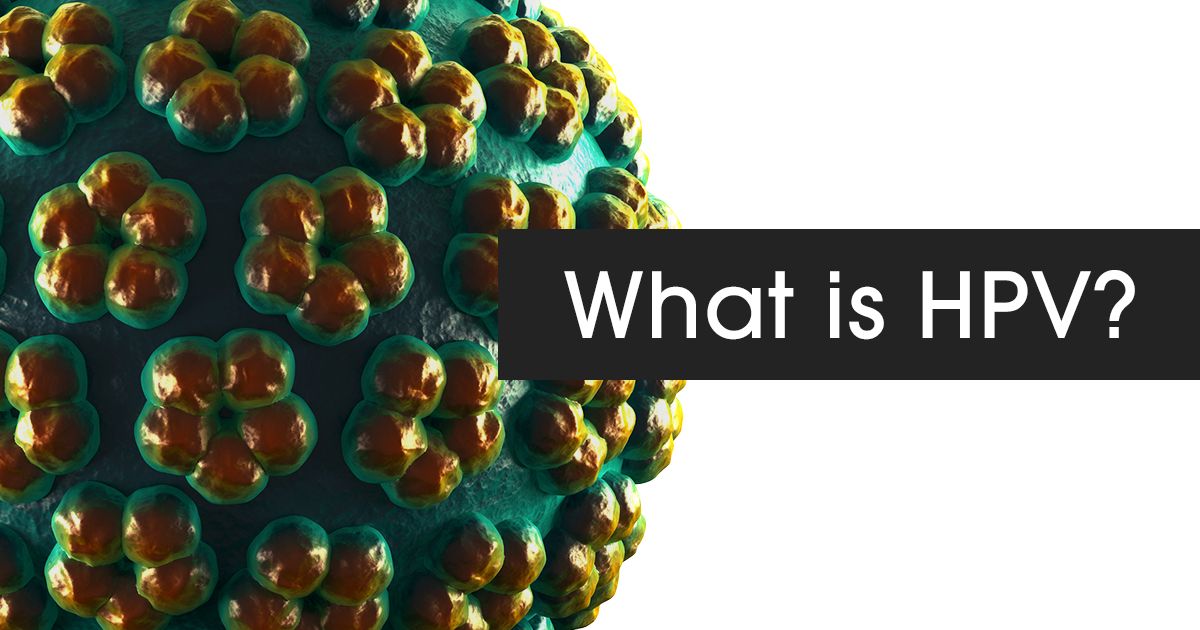
Most people have heard of HIV, herpes, syphilis and gonorrhoea but most would be hard pressed to say what the Human Papillomavirus (HPV) is. However, you are more likely to encounter HPV than all the others combined. The Center for Disease control advises that HPV is the most common sexually transmitted disease in the USA and that most sexually active adults will come into contact with the virus at some point in their lives.

So what is it? It is a human specific strain of Papillomavirus, a closely related family of 150 viruses, 40 of which can cause genital infections in humans. It is named for genital warts (Papilloma) commonly seen on infection but is best known for its link to genital, particular cervical, cancer.

Like HIV, HPV can integrate into the DNA of the host cell, resulting in re-infection down the track. The problem occurs when it inserts into oncogene. Oncogenes are genes that are known to be linked to cancer either by being turned on and causing unstoppable growth of the cell, or turned off and stopping other genes from causing unstoppable growth in a cell.

Pap (Papilloma) smears are specifically designed to screen for cervical cancer caused by the virus but HPV can cause other cancers such as vulvar and vaginal, penile, anal and oropharyngeal cancer.

HVP is rare amongst STDs as a vaccine exists. The HPV vaccine was developed by Professor Ian Frazer and Dr Jian Zhuo at the University of Queensland. Dr Jian Zhou sadly passed in 1999 before he could see the vaccine in production. In 2007, the first vaccine hit the market under the trade name Gardasil and protected against strains four of the most dangerous strains in respect to causing cancer. As the vaccine is no use against previous exposure, it was recommended that girls be vaccinated in early adolescence before they become sexually active. In Australia, the vaccine was provided free of charge to girls and women 9-26 years of age from 2007. In 2012 this was expanded to included boys and men 9-26 years of age. In Singapore, the vaccine has been recommended for girls and women 9-26 years of age since 2010 and is covered by Medisave.

Should boys be vaccinated against HVP?

Singapore recommendations cover females aged 9-26 as the highest cancer risk with HVP is cervical cancer. The HVP has been shown to guard against 90% of all genital warts as well as as strains known to cause penile and anal cancers so a number of countries have widened the recommendations to cover teenage boys. As a human specific virus this does fall into one of the categories of diseases that can be eradicated with vaccination so the more people who have the lower the risk of it spreading through a population.

I am already sexually active, should I have the vaccine?

The vaccine will not protect against any contact you may already have had, but it will protect you in future sexual contact. If you fall within the age range >27 years it is believed that your chances of contracting HVP are low enough for the vaccine to be worth getting.

I use condoms, do I need to have the vaccine?

Condoms are always a good idea and protect well against most STDs as well as unwanted pregnancy. They are not a failsafe. Condoms can break or transmission can occur before or after use. HVP is one of the diseases where condoms are not completely effective.   The latex provides a barrier to the virus particles but the virus is highly infectious and can occur via hand if genitals are touched or skin to skin if the lesion is on an area not covered by the condom. Even if you always used condoms it is advisable to have the vaccine and regular pap smears.

Do I need to have pap smears if I have had the vaccine?

Yes. The Gardasil vaccine is effective against the HPV viruses that cause 90% of genital warts and 70% of cervical cancer. But there are more than 40 strains of HPV. Those others will become more prevalent in the population as the ones covered by the vaccine disappear. The vaccine will significantly reduce your risk of cervical or genital cancer but will not eliminate the risk. There are other HPV strains and a pap smear will pick up abnormal pre-cancerous cells that are due to other causes such as inherited or spontaneous genetic cancers.

What age should I consider vaccinating my child against HPV?

The vaccine is safe from the ages nine up and I would recommend vaccinating your child between the ages of nine to twelve well before they become sexually active. It starts a conversation about the dangers of sex and let’s face it, it is easier to get a nine-year-old to the doctors for a jab than a fifteen-year-old. One less thing you have to worry about doing when they hit the difficult teenage years.

I have been saving myself for marriage, do I need it?

Abstinence is a sure fire way to avoid HPV. If you are not sexually active, you don’t need the vaccine. If you are due to get married, consider working it into your wedding plans. There are three doses so you will need to get the first one well before the honeymoon.

For further information see:

Singapore Government Health Promotion Board – HVP facts.

https://www.healthhub.sg/a-z/diseases-and-conditions/701/faqs-on-hpv-and-hpv-immunisation

Centre for Disease Control – HVP

http://www.cdc.gov/hpv/index.html

University of Queensland – Eliminating cervical cancer globally

http://www.uq.edu.au/research/research-at-uq/eliminating-cervical-cancer-globally

Ground-breaking New Medication for HIV PEP Treatment

A study was conducted in two Australian cities namely Melbourne and Sydney to determine the effectiveness of a new drug for the treatment of HIV. A small sample group of 100 healthy non-HIV infected gay men who were eligible for HIV PEP (Post-exposure Prophylaxis) were part of the study.

Post-exposure Prophylaxis (PEP) is a medical term which refers to the use of anti-HIV drugs that can be consumed immediately after one has been exposed to HIV while Pre-exposure Prophylaxis (PEP) refers to treatment that is given in a situation where HIV infection seems possible and in this instance acts as a preventative measure. PEP drugs help prevent the virus from spreading into the body. People in need of PEP drugs include health care workers, who have been exposed to the virus while taking care of an HIV+ patient and those who have engaged in sexual intercourse with a person with HIV. Efforts are being made to increase access to PEP drugs to prevent the devastating effects of HIV on the global population.

Currently, most PEP regimens involve the use of three drugs that patients are required to take twice or sometimes three times a day. However, the painful side effects make it difficult for patients to complete the course of medication without medical supervision. These regimens are therefore not highly effective in preventing the spread of HIV in the patient’s blood.

Efforts are being made to alter PEP drugs so that people can successfully complete the drug regimen with little or no adverse effects. This will dramatically change the way HIV is perceived by people. It will no longer be a deadly virus, with no hopes for survival, but rather an illness which patients can fight through. The small sample group study proved to be a step closer towards achieving this goal.

The men who participated in the study were given a single tablet daily, consisting of the following drugs: Emtricitabine 200mg; Rilpivirine 25mg; and Tenofovir disoproxil fumarate 300mg.

These drugs are commonly referred to as Reverse Transcriptase Inhibitors (RTI) in medical terms. They are rapidly absorbed into the body before HIV spreads into the patient’s blood. Rapid absorption of a drug also plays a key role in its effectiveness. The fact that these drugs are rapidly absorbed into the body show that the drug regimen is highly effective. The group of men received treatment for 28 days. Over the next 12 weeks the participants were required to return for 7 follow-up study visits. During these study visits their blood samples were taken and the drug dosage re-evaluated. The purpose was to determine if any of the participants discontinued the drug regimen before the trial period of 28 days and also if any of the participants tested positive for HIV by the end of the 12 week trial.

One of the key measures of success of a drug regimen is how easily patients can take the drugs without medical supervision. Most people discontinue taking drugs because of the discomfort caused by the side-effects of the drug. In short the success rate of current PEP regimens is very low as people fail to continue drug intake throughout the course of the prescription.

In this study, 92 out of 100 participants completed the drug regimen. Amongst the 92 participants, 98.5% reported that they followed the drug regimen unsupervised. 78 participants returned their pill bottles at the end of the 28-day period and 98.6% of these had successfully completed the drug regimen. Overall 88 of the 100 men experienced negative side effects which included fatigue and nausea. Four participants experienced severe but not life-threatening effects from the drugs.

To verify the accuracy of the drugs, blood samples of 41 participants were tested within two days of the last dose at the end of the 4th week. All participants were reported to have high levels of drug concentration in their blood thus the drug regimen was successfully followed by the participants.

Although this was a small-scale study which does not provide substantial evidence regarding the effectiveness of the new PEP regimen, a promising sign is that none of the 70 men who attended the final follow-up visit tested positive for HIV by the end of the 12 week drug trial. The results from this small scale study look promote the need for a large-scale study to be conducted, involving core groups and control groups, to obtain statistically significant results. Results from a large-scale study can then be used to change the current PEP drug regimens that are in place.

A study was conducted in two Australian cities namely Melbourne and Sydney to determine the effectiveness of a new drug for the treatment of HIV. A small sample group of 100 healthy non-HIV infected gay men who were eligible for PEP (Pre-exposure Prophylaxis) were part of the study.

Post-exposure Prophylaxis (PEP) is a medical term which refers to the use of anti-HIV drugs that can be consumed immediately after one has been exposed to HIV while Pre-exposure Prophylaxis (PEP) refers to treatment that is given in a situation where HIV infection seems possible and in this instance acts as a preventative measure. PEP drugs help prevent the virus from spreading into the body. People in need of PEP drugs include health care workers, who have been exposed to the virus while taking care of an HIV+ patient and those who have engaged in sexual intercourse with a person with HIV. Efforts are being made to increase access to PEP drugs to prevent the devastating effects of HIV on the global population.

Currently, most PEP regimens involve the use of three drugs that patients are required to take twice or sometimes three times a day. However, the painful side effects make it difficult for patients to complete the course of medication without medical supervision. These regimens are therefore not highly effective in preventing the spread of HIV in the patient’s blood.

Efforts are being made to alter PEP drugs so that people can successfully complete the drug regimen with little or no adverse effects. This will dramatically change the way HIV is perceived by people. It will no longer be a deadly virus, with no hopes for survival, but rather an illness which patients can fight through. The small sample group study proved to be a step closer towards achieving this goal.

The men who participated in the study were given a single tablet daily, consisting of the following drugs: Emtricitabine 200mg; Rilpivirine 25mg; and Tenofovir disoproxil fumarate 300mg.

These drugs are commonly referred to as Reverse Transcriptase Inhibitors (RTI) in medical terms. They are rapidly absorbed into the body before HIV spreads into the patient’s blood. Rapid absorption of a drug also plays a key role in its effectiveness. The fact that these drugs are rapidly absorbed into the body show that the drug regimen is highly effective. The group of men received treatment for 28 days. Over the next 12 weeks the participants were required to return for 7 follow-up study visits. During these study visits their blood samples were taken and the drug dosage re-evaluated. The purpose was to determine if any of the participants discontinued the drug regimen before the trial period of 28 days and also if any of the participants tested positive for HIV by the end of the 12 week trial.

One of the key measures of success of a drug regimen is how easily patients can take the drugs without medical supervision. Most people discontinue taking drugs because of the discomfort caused by the side-effects of the drug. In short the success rate of current PEP regimens is very low as people fail to continue drug intake throughout the course of the prescription.

In this study 92 out of 100 participants completed the drug regimen. Amongst the 92 participants 98.5% reported that they followed the drug regimen unsupervised. 78 participants returned their pill bottles at the end of the 28-day period and 98.6% of these had successfully completed the drug regimen. Overall 88 of the 100 men experienced negative side effects which included fatigue and nausea. Four participants experienced severe but not life-threatening effects from the drugs.

To verify the accuracy of the drugs, blood samples of 41 participants were tested within two days of the last dose at the end of the 4th week. All participants were reported to have high levels of drug concentration in their blood thus the drug regimen was successfully followed by the participants.

Although this was a small scale study which does not provide substantial evidence regarding the effectiveness of the new PEP regimen, a promising sign is that none of the 70 men who attended the final follow up visit tested positive for HIV by the end of the 12 week drug trial. The results from this small scale study look promote the need for a large scale study to be conducted, involving core groups and control groups, to obtain statistically significant results. Results from a large scale study can then be used to change the current PEP drug regimens that are in place.

Original article: http://cid.oxfordjournals.org/content/early/2015/06/28/cid.civ511


Pre-marital STD screening; why it is a good idea for everyone.

You hear the words, “wish I got a prenup!” far more often than the words “we are going to get a prenup”. People are encouraged to look at their financial health before committing to a marriage. You don’t want to hook up only to find you have acquired a string of credit card debt along with a marriage certificate.

You don’t need one obviously. You are engaged to the most beautiful, wonderful person in the world and everything is going to be great. The rings are ordered, the dress is paid for, the honeymoon is booked, the wedding venue perfect, the STD tests are…

Hang on…STD tests? Way to break the mood right? I mean you are planning the start of your new life together and the last thing you want to do is to smash the stain glassed window that is tinting everything with a lovely rosy hue.

But here are some good reasons that you and your partner should consider this investment in your medical soundness as important as working out your financial soundness before marriage. It might be a good idea to both get tested if:

1. One or both of you have had other partners previously.
Both of you have the possibility of being infected with an STD even if you can’t see anything. It is not a matter of not trusting the other person to tell you. They may not know. Many sexually transmitted diseases will only show up some of the time, or not at all, but still be infectious. A simple trip to the doctor can put your mind at ease for both parties and let you start off with no inhibitions about being intimate with each other. If there is a problem then it can be treated well before it turns into a big problem. If approached properly even a positive result need not impact on the happy day.

2. You have jumped the gun a bit and everything has been fine.
Well actually things got a bit heated after the moonlight walk and you didn’t wait for the wedding. Not to worry, it happens every day. There haven’t been any problems so no need to waste money on an expensive test. Remember that asymptomatic thing. Just because you can’t see it, doesn’t mean it isn’t there. In fact, it is the ones you can’t see that do the most damage as they don’t get treated. Some STDs can cause infertility, a few can kill you, and it is those ones that tend to be asymptomatic for a period that do so. You don’t want to find out ten years down the track you can’t have kids or have AIDS or cancer because you missed a simple screening.

3. You have saved yourself for marriage so neither of you are infected.
Probably true. In 99.9% of cases, you will be fine and that is what any tests will show. But these diseases didn’t start out as STDs. They have evolved into them. HIV and Hepatitis can be transmitted by blood. N. gonorrhoeae started out as a harmless bacteria of the throat where most Neisseria spp. still inhabit today before it migrated south to warmer climes. It still does cause throat and eye infections. Chlamydia is rife amongst koalas (yes you did read that right) and can be passed on to humans as a respiratory infection through contact. You beau does not need to be unfaithful to be infected, just to have cuddled the wrong marsupial. Even if there have been no trips to Australia or a petting zoo, there are other ways that these diseases can be contracted. Always best to be sure.

Not Romantic But Definitely Important!

Doesn’t stop it killing the romance. No, it doesn’t. But, as they say, “a marriage is for a lifetime, not just a day”. This isn’t the only uncomfortable romance killing topic you need to discuss before you marry.

Other things such as finances, where you will live, who has to take the bin out each week, how many kids you want to have and if you want them at all. If you do have them, what religion if any will you bring them up to observe. How many hours of sport/fashion/video games will be tolerated before a full-on brawl for control of the remote ensues. All these topic have the ability to kill the mood.

Schedule an anti-romance dinner. One where you will get all this out of the way so you can get back to the pre-honeymoon happiness without having any unexpected rocks smashing the rose coloured window.

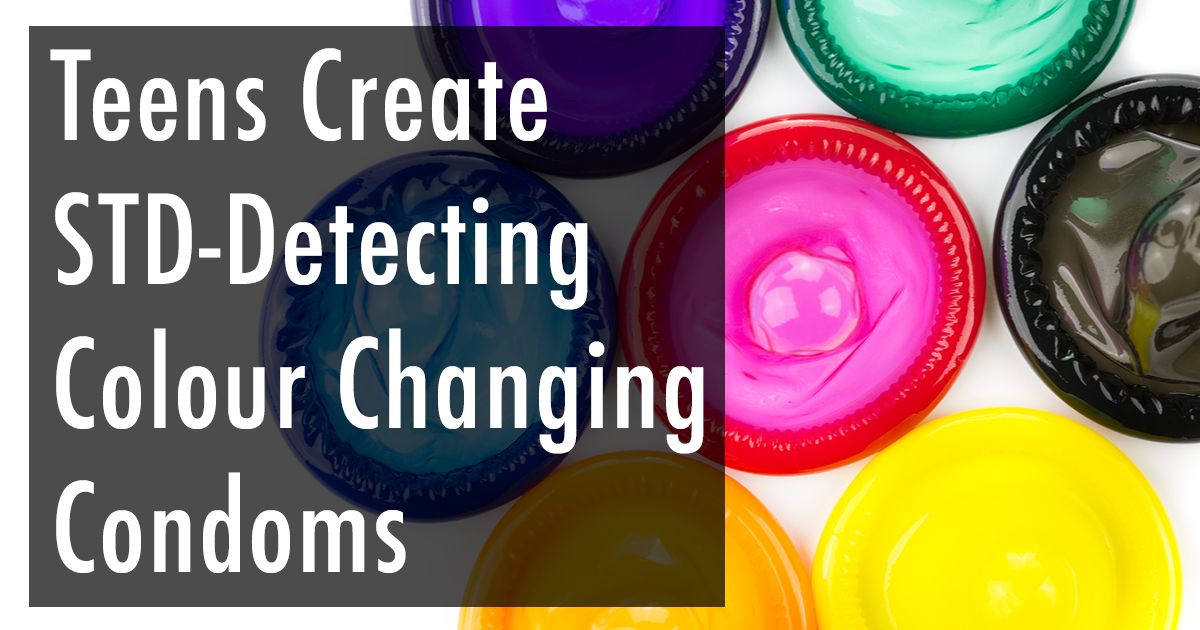
Teens Create STD-Detecting, Colour Changing Condoms

U.K’s Teen Tech Awards recently granted top honors to a group of three teenagers for their groundbreaking STD-detecting condoms. The teens, Daanyaal Ali (14), Muaz Nawaz (13), and Chirag Shah (14), named their concept S.T. Eye. These three students from the Isaac Newton Academy in England have initiated the development of condoms which change color when in contact with a sexually transmitted disease. Of course, it would take teens, whose ingenuities have not yet been tainted by the cynical world, to imagine such a brilliant idea. The concept involves creating a condom that is coated in antibodies which will react with the antigens in STDs resulting in a colour change.

Ali explained his team’s motivation behind this innovative design in an interview with The Daily Mail:
“We wanted to create something that makes detecting harmful STIs safer than ever before, so that people can take immediate action in the privacy of their own homes without the invasive procedures at the doctors,” he said. “We’ve made sure we’re able to give peace of mind to users and make sure people can be even more responsible than ever before.”

While the concept is certainly an effective idea towards impacting on the rising global STD rate, there remains many areas of concern. Firstly, an issue of whether the condom will detect an STD in the user or his partner has not been resolved as yet.

Secondly, the concern over the social impact of such a creation when put into practice needs to be addressed. Thirdly, a manual for post-color change may indeed be necessary or the whole expedition may be pointless. Finally, the effect of multiple STD’s on the condom has not yet been established. Clearly, this idea still requires much development before these condoms will be accessed by the greater public.

Maggie Philbin from Teen Tech reiterated this in a comment to The Post:
“I think the reason the judges put this idea first was because the project showed how much learning these boys had done while researching STD’s.”

Nonetheless, this intriguing concept won the students about $1,500 as well as a coveted opportunity to meet Prince Andrew at Buckingham Palace later this year. But, perhaps the greatest victory may be for global society since the students have already been approached by condom manufacturers and this outrageous idea is beginning to seem viable.

In a society where condom use is not the favored method of contraception and its inherent disease prevention benefit is often overlooked, this innovative idea may provide the incentive needed to encourage safer sex, globally. The immediate queries and concerns about the nitty-gritty of the condoms functionality greatly outweigh its far-reaching, long-term benefits.

Case Study: The Mysterious case of the Norwegian Trawler.

In 1993 a fishing trawler came into port after three months at sea. The skipper presented to a clinic with urethral discharge that lab reports identified as gonorrhoea. The symptoms had not appeared until well into the voyage and it was clear the STD was contracted during the months at sea.

The crew was all male and the skipper denied any homosexual sex. The case had doctors stumped.

It was not until they looked further into the matter that they discovered one other crew member who tested positive for the disease, the ship’s engineer. With much embarrassment the skipper finally confessed. He had snuck into the engineer’s room and had sex with the blow-up sex doll he found in the cupboard. As it happened the infected engineer had recently performed similar actions with the doll and had put it away without cleaning it.

The study was published in 1993 by Ellen Kleist and Harald Moi and won the Ig Noble Prize at Harvard University for the 1996 Public Heath Category.

As amusing as the story may be a gonococcal infection is no laughing matter. In 1993, gonorrhoea could be effectively treated with penicillin. Since then it has been declared a superbug, resistant to a wide range of antibiotics and very difficult to treat. As the safer antibiotics become useless, doctors will need to resort to more dangerous drugs to treat the infection.

While gonorrhoea won’t kill you it is certainly not a pleasant experience causing painful, smelly discharge from the penis in men. In women it can also result in smelly discharge and stinging sensation when urinating but often the disease is often asymptomatic (there are no symptoms to warn that the disease is there) but far more damaging as it can cause infertility and chronic pain if left untreated. It can also infect a newborn during childbirth and here it is truly dangerous. Remember that it is only a few genes away from being classified in the same species as the bacteria that causes meningococcal meningitis.

With asymptomatic infections occurring in both men and women, there may be no way of telling if a potential partner is infected. They may not know themselves. The safest bet is to always use protection if you are not in a monogamous relationship and in the words of  Marc Abrahams, Master of Ceremonies at the 1996 Ig Noble prizes; “When you date an inflatable doll, remember you’re dating everyone else who dated that doll.”

Exposed to HIV? It’s Not Too Late!

Of all the letters in the English language, few are feared as much as the simple combination of H.I.V. Once you’re infected, the impact on your health and on your family can be devastating. As careful as you may be, there are still scenarios which can result in exposure to HIV. Instead of worrying and running the risk of serious health consequences, take steps to protect yourself and your loved ones from the effects of this virus. One way to conquer an HIV exposure is to use PEP.

What is it?

PEP stands for Post-Exposure Prophylaxis, which simply means a treatment that you begin right away after your exposure event. Your goal is to keep from being permanently infected with HIV. This kind of antiretroviral therapy often comes to the aid of healthcare professionals, who face exposure scenarios in the course of their work.

How does it work?

Essentially, the PEP medication creates problems for HIV, preventing the virus from replicating, or copying itself, as it normally would. Without the ability to create HIV copies, the virus cannot spread throughout the body. In a best-case scenario, the spread is contained and infection is prevented.

If you suspect or know that you were exposed to HIV, act now. Don’t wait to be sure. The PEP treatment has a 72-hour window of efficacy, and the sooner you get started on it, the better. The longer you wait, the more time HIV has to copy itself and spread.

Seeking Medical Help

Sometimes, people who have experienced an exposure event are anxious about losing their privacy if they seek help. When you choose an STD clinic in Singapore that provides PEP treatment, rest assured that your personal affairs will be respected and kept private. While doctors and nurses may need to ask you a few pertinent questions, your private life remains secure and undisclosed to anyone else.

How Well Does It Work?

Keep in mind that your level of risk increases depending on the type of exposure involved in your scenario. Certain types of intercourse with an infected partner carry more risk of infection. Sharing needles with an HIV-positive individual is a high-risk situation as well. On the other hand, coming into contact with an infected person’s tears or sweat does not generally result in transmission of HIV.

The good news is that PEP is highly effective in decreasing the possibility of HIV infection. Some reports quote a success rate of up to 81%. Once you and your doctor evaluate the situation, including all benefits and risks, you can begin your PEP treatment, which lasts about 28 days. Be sure to follow up with your STD clinic in Singapore so that the medical professionals there can continue to assess your progress, screen your body for infection, and monitor any potential side effects. Usually, the side effects for PEP are no worse than a little occasional nausea– easy to put up with when you consider the far more serious effects of HIV itself.

Keep in mind that a round of PEP is a one-time solution for an unusual scenario. If you expect to be routinely exposed to HIV, speak with a doctor about preventative measures that can lower your risk for contracting the virus. With prompt action and the right medical advice, give yourself the best possible chance of overcoming an HIV exposure.

New York State Department of Health AIDS Institute recently updated their HIV PEP guidelines

The New York State Department of Health AIDS Institute (NYSDHAI) recently tasked their Medical Care Criteria Committee (MCCC) to update their HIV PEP (Post-exposure Prophylaxis) guidelines. PEP refers to the treatment required and administered after exposure to HIV – a sexually transmitted disease (STD). This exposure is categorised as resulting from sexual assault, occupational exposure, and non-occupational exposure.

In 2012, the recommended medications for post-exposure treatment was the use of tenofovir [Viread®] with emtricitabine [Emtriva®] (or lamivudine [Epivir®]) and raltegravir [Isentress®] – due mainly to the higher rate of completion of the shorter 28-day course of treatment. In 2014, however, dolutegravir [Tivicay®] was added as an alternative to raltegravir [Isentress®]. Dolutegravir is an approved antiretroviral drug designed to block the action of the virus. This change was initiated to further improve the rate of completion of the course of medication based on the side-effects and dosage requirements of dolutegravir [Tivicay®] which have displayed improved tolerability.

The MCCC reported that the efficacy of the above mentioned medications may be compromised when taken alongside aluminium, calcium, iron, or magnesium. Being mindful of the presence of these minerals in food and over the counter antacids was particularly emphasised. As such it was stated that antacids should be taken a minimum of 2 hours before and 6 hours after the medication to receive the maximum benefits of the drugs.

Due to the 6 week window period during which the virus can spread undetected, the committee expressed the need to perform a laboratory blood test (HIV RNA test) even if the patient tests negative during the initial screening test. A newer fourth-generation HIV test was suggested for a more accurate result and the importance of all patients being tested was emphasised.

The recommendations stated that PEP must, as a matter of urgency, begin within 2 hours after exposure while awaiting results of the patient’s baseline tests. Baseline testing refers to the initial tests conducted and includes an immune function test (CD4 count); HIV replication test (viral load); kidney, liver, cholesterol, and blood cell tests; and tests for accompanying viruses or diseases. Baseline testing is required even in cases where PEP treatment is declined.

It was further recommended that patients receive access to psychological counselling and support in order to improve their adherence to guidelines and provide the necessary framework for the completion of treatment.

The committee later updated their recommendations to include further HIV testing at 4 weeks and 12 weeks after exposure and added that routine testing at 6 months is unnecessary in the event that the 12 week test yields a negative result for the presence of HIV. It was clarified that pre-exposure treatment should be explained and made available to individuals who display high-risk sexual activity in the case of non-occupational exposure.

In a public announcement in April 2015, the Governor of New York revealed a detailed plan to reduce new HIV infections. The Blueprint to End the AIDS Epidemic outlines the plan which requires changes to regulation, and a critical look at the state of existing medical infrastructure in order for implementation to be successful.

The uniting feature of similarity between the Governor’s announcement and the Committee’s recommendations was the emphasis on promoting education among both medical personnel and the general public. Numerous campaigns have been launched to this end including the distribution of resources to the relevant clinics and a written inventory of the resources available. The underlying factors for success in reducing HIV infections remains in the availability of resources, education, and expenses.

HIV Basics Everyone Should Know

What is it?

HIV stands for Human Immunodeficiency Virus. It is a human specific (can only infect humans) virus that attacks the T-cells of the immune system. T-cells are the detector cells of the immune system, attacking foreign antigens they encounter in the blood stream.

The HIV virus invades the T-cells. Once in they take over the cellular machinery, like an invading army and force the cell to stop its regular function and make thousands of copies of viruses until the cell is so full it bursts. In this way, HIV not only replicates but destroys the very cells that would detect and eradicate it.

Every so often however the virus does not take over the cell, instead it inserts a copy of the full viral DNA in amongst the cells genes. HIV can hide here, dormant until an unknown event activates the virus once more and it comes out to start a new wave of invasion. It is this integration into the cellular DNA that means there is no cure for HIV. The antivirals can only attack the HIV virus that is in the open.

AIDS stands for Acquired Immune Deficiency Syndrome and is the name for the disease that follows from the destruction of the immune system. You can be HIV positive (have the virus) without having AIDS. So long as the viral load (the amount of virus) is controlled then AIDS can be prevented.


What does AIDS do?

AIDS was identified in 1982 among homosexual men in San Francisco with a spate of rate cancers. First called Gay-related Immunodeficiency disease GRID, it was seen by some as a judgement from God on the Gay community. It was not until a group of haemophiliacs became infected as the result of contaminated blood donation that doctors realised it was blood borne and not the result of the Gay lifestyle. They renamed it AIDS and for a decade it was the most feared disease in the world.

I once sat through a medical lecture given by a doctor who worked in the early 1980’s at Fairfield Hospital in Melbourne, the only hospital in Australia that would treat AIDS patients. She described the case study of her first patient with AIDS. It was a medical mystery. A deadly disease origin unknown that ravished the body. She watched helpless to offer any treatment as his body succumbed to rare cancers, his jaw and nose eaten away by fungal infections. By the end of the lecture, there was not a dry eye in the house. This is a truly terrible disease.


How do you catch HIV?

HIV is spread by infected bodily fluids, namely blood and semen. It is not spread by human waste, casual contact or saliva. It is safe to sit next to or hug someone who is HIV positive without risk of infection.

The most common ways to catch HIV is to sleep with someone who is HIV positive or share needles.

According to the Ministry of Health, most new AIDS infections in Singapore occur in single men aged between 30-34 years of age.


Can HIV be cured?

No, but it can be prevented.

The easiest way to avoid getting HIV is to avoid contact with bodily fluid. This included rejecting promiscuity, using protection such as condoms and safe use of needles.

There have been huge strides in HIV research in modern times. If you are at high then taking prophylaxis can prevent infection and integration of the virus (Pre-exposure Prevention PrEP. If you believe you have come into contact with the virus then early treatment with antivirals can destroy the virus before it integrates and becomes a permanent fixture in your system. Such treatments are known as HIV PEP (Post-exposure Prevention PEP).

HIV has been effectively prevented from transfer from infected mothers to their infants using antivirals to reduce the viral load prior to birth.

Due to the use of antivirals HIV is no longer a death sentence. The viral load can be kept below the level that causes disease and someone with HIV can now lead a full and useful life.


Prevention is better than cure.

During the 1980’s there was a global campaign to raise awareness of AIDS and stop the spread. This campaign caused a marked reduction in HIV infection. However, AIDS is once again on the rise and the knowledge that there is a treatment has caused some to become careless with regards to HIV. In Singapore at the end of 2014, there were 6,685 infected with 1,737 deaths according to the AFA Action for AIDS Singapore website.

The treatment is effective but it is unpleasant, causing cold-like side-effects as it stimulates the immune system and many come of the drugs due to the unpleasant side effects. The HIV is an RNA virus, and these viruses have a high mutation rate. Already resistant strains are popping up across the world.

It still kills and it will make your life miserable. You will need to deal with the stigma of being HIV positive which is still prevalent in society. You will be on medication for the rest of your life and there is no guarantee that the medication will continue to work. Anti-viral resistant strains will kill you. If you think you may be infected get to a doctor, if caught early enough the infection can be prevented from progressing to the infectious stage. But the best way is to avoid getting it in the first place.

Be HIV aware and be safe.


HIV myths:

Sleeping with a virgin will cure HIV – Not true. A virgin is less likely to be infected by HIV (but remember it is not just sex that spreads it) so you are not likely to catch HIV from a virgin. But sleeping with someone who is not infected will not cure you of the virus. All it will do is infect the person you are sleeping with.

You can catch HIV by touching a HIV infected person – Not true. You need to be exposed to an infected person’s blood or semen to be infected. Being in close proximity or touching them will not cause you to become HIV positive, especially if they are taking antivirals.

You can catch HIV from a toilet seat – Not true. HIV is spread by blood and semen only, not through urine or faeces. HIV does not survive well outside the body. You will not catch HIV by using a toilet.

There you go, hope this blog article has given you a good overview. This is our first blog post and we will be publishing more articles like this in the future. In the meantime, if you have any queries you need answered, don’t hesitate to contact us  – details are at our Shim Clinic main website.