End users’ perspective of HIV PEP

HIV PEP has been a revolutionary treatment that has prevented many who have been exposed to the HIV virus from getting infected. Information, news, scientific findings, views and recommendations have always been coming from healthcare institutions and scientific bodies, but seldom do we get the chance to know views and experiences of end-users who are prescribing PEP therapy. The views of the people using or have used post-exposure prophylaxis (PEP) were recently reported in a publication of the journal “Clinical Infectious Diseases”. This publication was developed by the WHO to help inform recommendations and guidelines for HIV PEP.

Research Methods

The study was conducted by gathering feedback and views from people using or have used PEP. Several methods were used in the study.

  1. Data was collected by searching for papers published online (PubMed and Web of Knowledge) and also searching by hand for articles reporting on HIV PEP outcomes. 10 studies were identified with focus on men who have sex with men while 26 studies were identified that had a focus on healthcare workers.
  2. A review of the recommendations of the WHO was done for this study by two different researchers.
  3. Focus group discussions were done in Ghana related to the preferences, attitudes, behaviors, knowledge, drug regimens, testing, follow-ups and drug adherence in 20 female sex workers.
  4. An online survey was conducted in three different languages in which 306 responses were gathered. The people which took part in the online survey were approached through the help of the authors of PEP published studies and regional WHO and key organizations related to HIV. The healthcare workers who had used PEP were also included in the survey.

Research Results

The results showed that the healthcare workers prefer the use and prescription of a 3-drug PEP based on the cost, availability and overall use. There was no significant difference in the opinion about the overall effectiveness of 2 versus 3-drug PEP.

When it came to online survey responses from healthcare workers with experience prescribing HIV PEP prescription to children, results were quite limited. From the results, there was a trend of using ritoinavir boosted lopinavir as the third drug in PEP when prescribing for children. while Efivirenz was preferred for children 3-10 years of age as the third drug.

Most of the healthcare workers were in favor of prescribing 28-day regimen for PEP. 65% of the respondents were of the opinion that besides HIV specialists, healthcare workers should be able to prescribe the 28-day PEP treatment. More than 86% of the health care workers believed that the Starter Pack is effective. 73% of the healthcare workers who were themselves using PEP preferred to be given 28-day PEP on their first visit.

Conclusion

Surprisingly, access to care was found to be the barrier for completion of PEP which included difficulties in access to the clinics and health care centers.  The respondents emphasized that counseling plays a vital role in adherence to the PEP. The overall follow-up rate, knowledge of potential risks, and completion of PEP is better with counseling.

Although the data presented in this publication encompasses a variety of information but the quantity and quality of data is insufficient to help finalize PEP guidelines. As the information for the report was gathered from a limited population hence the authors believe that these results are not replicable to the general population.

Source:
Beanland RL et al., End user’s views and preferences on prescribing and taking postexposure prophylaxis for prevention of HIV: methods to support world health organization guideline development. Clinical Infectious Diseases,  2015.

A systemic review for choice of HIV PEP treatment on Children with HIV exposure

The Human Immunodeficiency Virus (HIV) is not an adult-only disease but is also known to infect infants and children. The common causes of HIV infections in children are usually accidental needle stick injuries, premastication and sexual assault. Guidelines for adults recommend a base of tenofovir with lamivudine (3TC)/emtricitabine (FTC) and a third drug which is either a protease inhibitor or an integrase inhibitor. However, there is currently a lack of data to help form recommendations for age-appropriate HIV PEP formulations for children of different ages.

A recently published systemic review gathered the published data on the drugs and therapies used for HIV post-exposure prophylaxis (PEP) as well as ART for children living with HIV to make recommendations for the safe use of antiretroviral post-exposure prophylaxis in children. This study was conducted to help establish WHO guidelines on the choice of drugs to be used in PEP for children.

Method

To prepare this report two different systemic reviews were conducted. In one of the works, published data was searched for studies which reported safety and completion rates of PEP in children. In the second review work, published data was searched for to find available evidence on the safety and efficacy of drugs used for antiretroviral medication therapy. The age group selected for the study were children at age 10 or younger – this age range was selected because children above 10 years old are usually given the same treatment as adults.

Results

Completion Rates
For the first part of the study, out of total 97 studies screened initially, 3 prospective cohort studies were selected as per the selection criteria of the study. According to the reports, children in these studies (following injuries from needles in Canada and South Africa as well as sexual assault in Malawi) were given zidovudine and lamuvidine as part of a two-drug PEP therapy. This regimen had a completion rate of 64% in children receiving the medication for 28 days. The percentage of children who discontinued PEP due to adverse effects was 4.5%.

Efficacy and Risks
The second part of the study to evaluate the efficacy of drugs used as NRTI backbones, one randomized trial was identified to be included in the study. This paper compared abacavir with lamuvidine (3TC) and zidovidine with lamuvidine (3TC) and found that the regimen containing abacavir had better efficacy but the study reported one death and 1 treatment discontinuation due to hypersensitivity reaction.

3 studies were included to assess the choice of the third drug for children less than 3-year old. These studies compared lopinavir to nevirapine and found that there was a lesser risk of treatment discontinuation due to reactions when lopinavir was used. It was found that here was no difference in the efficacy of these drugs in children of age more than 3.

Conclusion

This paper concluded that a regimen of limuvidine, ziduvidine and lopinavir is recommended for a three-drug HIV PEP medication to be used on children. The medication should, however, be administered according to the weight of the children.

The alarming thing pointed out in the report is that there is very little published research related to drug efficacy, toxicity and usage in children affected or exposed to HIV. More studies are urgently required in this field so that better recommendations for the PEP of HIV in children can be formulated and tested.

Source:

Penazzato M et al., Choice of Antiretroviral Drugs for Postexposure Prophylaxis for Children: A Systemic Review. Clinical Infectious Diseases, 2015.


The virus that creeps: Herpes simplex

The herpes simplex virus comes in two strains, HSV-1 and HSV-2. HSV-1. This STD most commonly causes oral herpes (cold sores) and HSV-2 genital herpes though both can cause infection of the mouth or genitals. The HSV viruses are large double-stranded DNA viruses and members of the Herpesviridae family which also includes Epstein-Barr Virus, the Chickenpox virus and the virus responsible for Kaposi’s sarcoma among others.

It is a very old human pathogen, with references to herpes epidemics in ancient Greek writings. Indeed the name herpes comes from the Greek word for latent or creeping, referring to the dormant and active cycles. The virus moves into nerve cells where it falls into a dormant state, re-emerging to cause periodical infections during times of low immunity. There is no cure, once infected the virus remains with its host for life.

Symptoms and Infection

Symptoms include the appearance of blisters or sores, irritation when urinating and especially in the earlier stages of infection it can have systematic flu-like symptoms. Condoms can reduce the risk of transmitting the Herpes virus but do not prevent it if sores are be covered by the condom. Abstinence,when symptoms appear, is the best way to prevent transmission. The virus can be asymptomatic and transferred person to person in the absence of symptoms. Very rarely do the virus can infect hands, eyes or even the brain. Viral encephalitis with Herpes is rare but has been seen in adults.  More commonly it is seen in newborns where infection has occurred during birth.

Oral sex can infect the genital region with HSV-1.  Dental dams may reduce risk, but again, will not work if sores are not covered by a barrier. Again, abstinence while symptoms are present, is the best prevention.

Treatment

While there is no cure, there are drugs to manage the outbreaks. Antiviral acyclovir (Zovirax), famciclovir (Famvir), and valacyclovir (Valtrex) are given as a 7-10 day course of pills and more severe cases may warrant treatment with intravenous (IV) acyclovir. For those who have severe outbreaks, suppression treatment with a daily dose of antivirals may be appropriate. Topical creams do not appear to be very effective in the treatment of genital herpes. See your doctor for the most suitable management plan for you.

HIV Pre-exposure Prophylaxis, Post-Exposure Prophylaxis and Early Treatment: An Integration

With advancements in the field of research and scientific probing, we are continuously getting better treatments and vaccinations for different diseases. Although, there are currently no vaccines which can prevent HIV, scientists have been able to formulate the next best thing – HIV Pre-exposure Prophylaxis (PrEP). A report by the Center of Diseases, Control and Prevention compiled the recommendations and loopholes in the HIV research from published data on PrEP and HIV Post-exposure prophylaxis (PEP) to find a set of best practices for integrating these 2 highly effective HIV infection prevention methods.

Two effective regimens for the prophylaxis of HIV are PEP and PrEP. PEP is administered to individuals who have been exposed to HIV within 72 hours of exposure. Although, ziduvidine alone is effective in 80% of the time if administered within initial 72 hours, a 2-3 drug medication is recommended by the US Public Health Service in 2013. PrEP, on the other hand, is recommended for people who are living a high-risk sex life, even for those who are already on PEP and have been tested HIV negative. PrEP medication usually includes emtricitabine/tenofovir didoproxil fumarate and is effective in high-risk patients. In contrast, an early treatment regimen is offered as soon as the patient is found to be seropositive after exposure.

According to this report testing for HIV is still critical. HIV testing is recommended in all the cases especially when there is known or suspected exposure to HIV even when on a PrEP regimen.

The key element for the decision to start PrEP, PEP or early treatment after an exposure is dependent upon the antibody titer. Unfortunately, this test is not a good indicator for acute HIV infection where HIV RNA testing is recommended instead. The report says that HIV antibodies might not be detected using the antibody test during an early Acute HIV infection thus resulting in false assurances to the indivdual. This may lead to HIV-positive individuals starting on PrEP which may lead to drug resistance. A 4th generation test for HIV p24antigen can help if the test for HIV RNA is not available. This test has an advantage over 3rd generation and 2nd generation tests as it can detect HIV antibodies way earlier. Furthermore, the report suggests that the signs and symptoms can also guide the physician towards making a decision about acute HIV infection.  Fever, myalgia, fatigue, skin rash and headache are common complaints in people with acute HIV infection.

According to the report, for individuals with a significant history of exposure, PrEP should be started even without the results of HIV testing. A single drug for PrEP and a three-drug regimen is recommended for PEP in US.  After the completion of a HIV PEP regimen, it is recommended to start PrEP in people engaging in a high-risk sex life e.g. people with multiple sexual partners. The recommended test after 4 weeks of PEP is the 3rd or 4th generation HIV test as HIV RNS testing might be suppressed with a prophylactic treatment of HIV.

For PEP treatments, HIV testing is recommended at day 0, day 28 and 3 months after PEP. In the case of PrEP, testing is recommended at the start. Another test can be done after the first month on a PrEP treatment. Anyone on either PEP or PrEP treatment should be quickly started on early treatment if their blood shows seroconversion.

Source:

Grant M. R. and Smith K. D. Integrating antiretroviral strategies for HIV prevention: post- and pre-exposure prophylaxis, and early treatment. Open Forum Infectious Diseases Advance Access, 2015.

Is it a rash? Is it a stain? No its a superbug: Neisseria gonorrhoeae

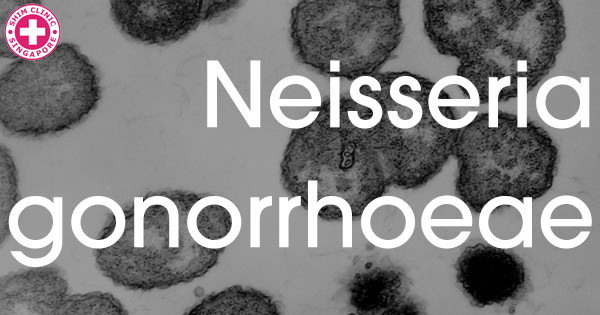
Gonorrhoea is one of the oldest known STDs with evidence suggesting it was present in the human population as far back as ancient Greece and Egypt.  It is a gram negative (has two cell walls with a small periplasmic space between) bacteria and consists of two ball-shaped cells joined by a septum thus is called diplococci (di = two, cocci = ball-shaped).

How It All Began

Gonococci are a human obligate pathogen, all of the Neisseria spp. are only found in humans, and it started out as a harmless member of the community of bacteria that colonise the back of the throat.  Biologists believe that over time the bacteria Neisseria meningitidis (meningococcal) picked up virulence genes from bacteria passing through and transformed from normal flora (good bacteria) into a dangerous pathogen.  At some time in the distance past a strain of N. meningitidis got to the genital region and found it to its liking.

The strain ditched most of the virulence factors required for survival in the harsh regions of the throat and bloodstream and settled down to become a subspecies N. gonorrhoeae.  While still able to cause the rare infection in other parts of the body, notably the throat and eyes (eye infection with N. gonorrhoeae  is often seen in abused children) it is found now almost exclusively as an STD and those opportunistic infections in other areas of the body are often caused by sexual contact.

The Damage

gonorrhoeae can colonise either the urethra or vagina. Symptomatic infection can cause itching, stinging pain on urination, a smelly discharge and in severe cases can form a biofilm that clogs the urethra causing difficulty in urination. More dangerous is that N. gonorrhoeae has retained the ability it had when it was normal flora to cause asymptomatic infection.

Asymptomatic gonorrhoea is still infectious and is able to hang around for years, possibly causing infections in multiple partners.  In women, it is particularly damaging.  While the woman infected does not sense the infection, her immune system does.  It mounts a response, but due to the location of the bacteria is generally unsuccessful.  The continuous mild inflammation eventually results in scarring of reproductive organs.  This may cause Pelvic Inflammatory Disease (PID) which is chronic low-grade pelvic pain from the scarring and often results in reduced or loss of fertility.  In men it can, in rare cases, cause scarring in the tubes that lead from the testes to the urethra resulting in chronic pain and/or infertility.

Fighting The Growing Resistance

The urogenital area colonised by gonococci, like the brain preferred by its cousin meningococcal, is known as an immunoprivileged site.  Despite what that sounds like, it means the immune system finds it very hard to access.  There are physical barriers that prevent white blood cells and other immune cells access to the site.   The body is often unable to clear the infection without medical assistance.

When gonorrhoea was able to be cured with a single dose of penicillin this was not too much of an issue provided treatment was sought.  N. gonorrhoeae however is a genetic whore.  Any piece of DNA it encounters it will take up into the cell, line it up with its own DNA to see if there is a match in the sequence.  If there is sufficient sequence homology (sameness) then the bacteria will swap the pieces of DNA.  It uses this method to pick up any useful DNA in the surrounding area.  Bacteria lyse when dead and release their DNA and so if there are any resistance genes in the surrounding bacteria the gonococci will find it.  (Fortunately and for reasons unknown as there are comparable numbers of bacteria in the throat as the genital regions, meningococcal has not done this despite having the same ability, so can still be treated with benzyl-penicillin).

Currently there are strains of N. gonorrhoeae resistant to penicillin, tetracycline, and fluoroquinolone.  The last effective drug are the antibiotics in the cephalosporin group and already superbug N. gonorrhoeae have emerged in Europe and Japan which are resistant to this last line of defence.

Hope For The Future

There is hope.  Superbugs don’t last. Antibiotic resistance genes are not cheap. They take energy to maintain and are lost as easily as they are obtained.  Often the resistance is due to mutation in a protein that is less effective in the resistant state.  N. gonorrhoeae that are not maintaining four different resistance genes have more efficient cell processes and in the absence of antibiotics can outcompete the superbugs.  Given time, they will push the resistant strains out.  It is estimated that it takes 60 years for a resistant population to become susceptible to penicillin once the drug is removed and it is likely that a similar time frame exists for the other antibiotics. The antibiotics will start to work again eventually if we stop using them.

This does not help those infected in the short term. It will likely take a century for the resistance to die down. In the meantime, it may be that the only way to avoid a chronic gonococcal infection is to not get it in the first place. Always use protection if you are unsure of your partner’s condition. Get regular screenings and talk to your doctor if you have any doubts.

Adherence to HIV post-exposure Prophylaxis and its Side Effects: A study from Ghana

HIV holds a great threat to health care workers as constant exposure may lead to accidental HIV infection in previously un-infected individuals. A timely treatment of HIV Post-exposure Prophylaxis (PEP) is a prevention therapy that has been proven to be highly effective in protecting against occupational HIV infection. Due to its potential toxicities though, a substantial amount of people on PEP discontinue treatment. A study published in the BMC Public Health, in June 2015, reported the correlation of the adverse effects of PEP and the adherence to it. The study was conducted amount Health care Workers and Health care Students from the Korle-Bu Teaching Hospital, Ghana.

The cohort study was conducted on healthcare providers who were started with PEP due to HIV exposure from January 2005 till December 2010. A total of 228 exposed health care providers were included in the study. The risk assessment was done according to a preset in-house risk assessment system and with help with the guidelines set by the CDC. The medication was prescribed according to the risk exposure. The combination of lamuvidine/ziduvidine/lopinavir-ritonavir or lamuvidine/ziduvidine was administered in high-risk patients for 28 days. People with medium to low risk were given lamuvidine/ziduvidine for either 28 days or only for 3 days. The patients were followed up with blood analysis at week 6, month 3 and month 6 to check for sero-conversion.

Records of incidences of adverse reactions and adherence levels was maintained through telephone contact on day 3 and day 10 for the people who were prescribed the 3-day regimen. For people who were given a 28-day therapy, follow-ups were performed on day 3, day 10, day 20, day 28 and day 35 after the drug was dispensed.

Adverse reactions information related to the PEP treatment were collected from the participants with the help of a questionnaire. The adherence to the medication was assessed during the follow-up visit also with the help of a questionnaire.

The results were interesting to note as they showed that a total of 51% of the participants who received lamuvidine/ziduvidine for 3 days has a follow-up attendance of almost 65% compared to 90% attendance for those on the 28-day regimen. 52 out of 53 people who were receiving the three-drug medication of lamuvidine/ziduvidine/opinavir-ritonavir followed up. 16 people discontinued their two-drug PEP of lamuvidine/ziduvidine when they were found to be seronegative. Interestingly more than 80% of people reported that the time of their HIV exposure was less than 24 hours.

The highest adverse effects were reported to be with the three drugs PEP for 28 days followed by the two-drug PEP for 28 days. The least side effects were reported to be with lamuvidine/ziduvidine 3-day therapy. The most commonly reported side effect was nausea.

100% adherence to PEP was found with the 3-day lamuvidine/ziduvidine treatment. A significant decrease in adherence was noticed with the lamuvidine/ziduvidine treatment on the 28-day regimen (56 %) and the lamuvidine/ziduvidine/lopinavir-ritonavir combo treatment on the 28-day regimen (62%).

Source:

Tetteh R. A. et al. Adverse events and adherence to HIV post-exposure prophylaxis: a cohort study at the Korle-Bu teaching hospital in Accra, Ghana. BMC Public Health, 2015.

Case study: Sexually transmitted Brazil Nut.

Nut allergies are among the most dangerous of allergies, with a high rate of anaphylaxis. Sufferers know to be wary of what they eat.  But how many would think to be wary of what their partner was eating?

In 2007, a woman presented at St Helier Hospital in England was suffering from widespread hives and had difficult breathing.  She had a known nut allergy but was careful to avoid foods containing nuts.  Her partner was very understanding of the condition and though he ate Brazil nuts, was careful to brush his teeth before they kissed.

After exhausting all other leads and knowing that the couple had sex just prior to her symptoms appearing, the doctors at the hospital arranged an experiment.  They had the man eat Brazil nuts again and tested his saliva, sweat and semen in a pin prick allergy test on her skin. Tests of the man’s sweat and saliva were negative, but his semen caused a reaction.

Brazil nuts are actually seeds, produced by one of the tallest trees in the Amazonian rainforests.  The large nuts are often found in bags of mixed nuts and contain a high vitamin and mineral content and are thought to have the highest content of the nutrient selenium of any food.

Allergy to Brazil nuts are the second most common nut allergy after peanuts and can be life-threatening.  There are six proteins shown to be able to cause allergic reactions in people but the main one is known as Ber e 1.  It is a small 9 kDa protein which falls into the category of the 2S albumins, a group of proteins common to seeds.  Ber e 1 is resistant to digestion and it is the allergen that is able to pass into semen.

To date, Brazil nuts are the only food allergen known to pass into semen and so be sexually transmitted like any other STD.  It is advisable to abstain from eating Brazil nuts for 24-48 hours prior to coitus if your partner is allergic.  If you have indulged, a condom will provide protection.

If you want more information regarding this case, it was published in The Journal of Investigative Allergology and Clinical Immunology in 2007, Volume 17, issue 3, pages 189-91 by Bensal, et al. entitled “Dangerous liaison: sexually transmitted allergic reaction to Brazil nuts”.

Post-exposure Starter Pack versus Full 28 Day Prescription for HIV

HIV PEP medication has been helping to greatly reduce the possibility of infection after exposure to HIV. PEP is prescribed for 28 days as a two or a three-drug regimen. It is recommended that PEP therapy starts within 72 hours after HIV exposure. A recently published report compared the efficacy of the 28 day full prescription of PEP versus the practice in which a 3-5 day PEP Starter Pack course is handed over to patients and they are provided with rest of the PEP course at the next visit.

The Starter Pack

PEP Starter Packs are prescribed by some instead of the whole 28-day PEP to

  • help new users get used to the regimen
  • facilitate and encourage adherence
  • evaluate potential toxicity
  • reduce anxiety for worried patients while providing counseling at the same time

About The Paper

This paper is basically a compilation of data available on PEP practices and the outcomes will help inform future World Health Organization (WHO) PEP guidelines.

Two different authors of the paper simultaneously searched online databases for articles, abstracts and conferences available on PEP practices. In case of any disagreement among the two authors a third author helped. Only randomized trials and prospective observational studies were included in the formulation of the results. The reports which did not report PEP duration and had less than 10 individuals with PEP were not included in the study.

The type of HIV exposure, the study population, the number of drugs for PEP and the use of zidovudine / tenofovir along with attendance in follow-up visits were evaluated in the study.

Results

Although the overall result quality of this systemic review were marked to be very low, the results showed that out of the total 3259 titles which were initially selected only 54 studies passed the inclusive criteria. Out of these, 37 studies were about the Starter pack while 17 studies reported results of the full 28 day PEP prescription.

According to the report, Starter packs were usually given for a period of one to 14 days. 47% of the studies done on the Starter pack showed that most were given a 3-day Starter pack.

It is interesting to note that the prescription of a full 28 day PEP was more common among occupational exposure. It was reported that 22.4% of  individuals who were started on the Starter pack PEP refused to complete treatment as compared to the 11.4% receiving full PEP. 6.8% of the subjects receiving Starter pack stopped the medication due to toxicity while failure was 4.2% in people receiving full PEP.  The overall completion rate of PEP was 70% among the people who were prescribed full PEP versus the Starter Pack which was only 53.2%.

Conclusion

In conclusion, it can be inferred that the Starter packs might have some benefits but the overall compliance and adherence is not ideal. Therefore, an early start of full 28 day PEP is recommended.

Source:

Ford N et al., Starter Packs Versus Full Prescription of Antiretroviral Drugs for Postexposure Prophylaxis: A systemic Review. Clinical Infectious Diseases, 2015.


Taking the awkward out of condoms

It does rather spoil the mood, having to stop and search for the small package.  It invariably ends up at the bottom of the bag or is not in the pocket you thought it was in.  Then you can’t get the wrapper undone.  There is fumbling.  It is clumsy when you want to be sexy.  It is plastic, when you are looking for real and intimate.  It is not just a barrier to STDs.

But it doesn’t have to be that way.  In fact, if used properly a condom can be sexy.  It doesn’t have to say casual sex, it can say I care enough to protect you.  It doesn’t have to be clumsy, it can be foreplay.

  1. Plan ahead.

Far from being the sign of a casual liaison, it can show you are well prepared.  It is not a good idea to brag about it on a date, but having it in easy reach when things do get steamy will stop it disrupting the flow.  Know how to put it on, women I am talking to you as well as men.  Practice ahead of time so that when you do need it, it can be done smoothly. The very first thing to do is to learn how to wear it properly. Here is one useful video from plannedparenthood.org:

  1. Get the right size

This would seem to be a no-brainer, but most men who find condoms uncomfortable are using the wrong size. Too large and it can leak and then can result in the spread of STDs or the even more dreaded unplanned pregnancy. Too small and it can be painful and prevent orgasm. Find your size by using the method outlined at http://luckybloke.com/pages/find-your-condom-size.

  1. Use lube

A wide variety of sexual lubricant is available and most are found beside the condoms in stores, or more specialised ones can be ordered from adult websites. Avoid ones containing spermicides as they are often irritating. The condom is generally sufficient to prevent pregnancy and spermicide does not increase their effectiveness to any significant degree. A drop inside the condom will make it easier to apply and increase enjoyment for the male. Applying it on the outside will prevent friction and increase enjoyment for both partners.

  1. Role play

Make the condom part of the fantasy. Get your partner to help apply it during a massage.  Foreplay not only increases the intensity of the sex but also builds the relationship.  Foreplay teaches both partners what the other likes and improves the sexual side of any relationship.

  1. Experiment

Condoms are a huge business and the variety is astounding. From glow in the dark, to flavoured to ribbed designs you can pretty much get a condom for any occasion. Far from being a hindrance they can add spice and surprise to your sex life. If you don’t feel comfortable browsing in the store you can check out the different types at http://www.condoms.com.sg/

Remember that condoms do not protect against all STDs and they can fail. There are other preventive methods including staying faithful in a monogamous relationship, abstinence, going on HIV PEP therapy if you engage in high-risk sexual activities. But even in a faithful relationship, a condom can add spice rather than spoil the mood when used correctly.

Two-Drug or a Three-Drug Post-exposure Prophylaxis in Occupational Exposure to HIV

Among occupations, Medical professionals are the ones who are most highly exposed to infections and threats of communicable diseases. Human Immunodeficiency Virus (HIV), being an untreatable virus, holds great risk to medical professionals especially those who work with HIV-infected patients and needles. HIV Post-Exposure Prophylaxis (PEP) is something that can greatly reduce the risk of infection during the course of their work. A review article published in a medical scientific journal, “Clinical Infectious Diseases” in 2004 gathered the published data to correlate the efficacy and toxicity of two drug and three-drug PEP regimen for occupational exposure to HIV.

Most of the available literature is on animal models as there are ethical limitations for clinical trials on humans. In a nutshell, these trials show an earlier start and a 4-week use of PEP is the most effective. Only one case-control study, reported and published in 1994, was conducted on health care professionals which showed that the use of a single antiretroviral drug (zidovudine) decreases the risk of HIV transmission to 79%. It also showed that only 33 out of 698 professionals, receiving monotherapy PEP became seropositive. After this study, the Center for Disease Control and Prevention (CDC) developed empirical PEP treatment guidelines for occupational HIV exposure.

These guidelines suggest the use of at least two drugs for PEP. According to the review there is more usage of a three-drug therapy in both the USA and Europe despite more side effects than a two-drug therapy which unfortunately leads to lesser compliance and early discontinuation usually resulting in PEP failure. However, HIV infected patients show better compliance to therapy with three-drug as compared to people receiving PEP for prevention.

For minor pricks and exposure to aberrations, CDC recommends the use of only a 2-drug regimen of PEP. The aim is to prevent virus from developing the infection in the body which can be achieved by a 2 drug therapy for at least 28 days. For more deep exposure like penetrating wounds, a three-drug therapy is recommended. Interestingly, one study showed that those on a three-drug PEP therapy had more side effects than HIV-infected patients on a three-drug treatment as well as an 8-times higher rate of discontinuation.

The review showed that the efficacy of the three-drug PEP was better than the two-drug PEP, but overall adherence to the treatment was better with two-drug PEP therapy. As mentioned previously, the toxicity was found to be higher with three-drug PEP. Although there is  data on the frequency and percentage of the antiretroviral drug resistance, there is almost no data on the extent of drug resistance to the different types on PEP.

Based on the available data, the authors of the publication made a model for the PEP which showed that without HIV PEP, 300 out of 100,000 HIV-exposed health care professionals will become seropositive. This transmission will come down to 108/100,000 with three-drug PEP therapy. A two-drug PEP will result in transmission to only 105, which are only 3 cases less than the three-drug PEP.

The two-drug PEP, as a whole, has better outcome and lesser toxicity than the three-drug PEP. Therefore, with lower antiretroviral resistance a two-drug PEP is recommended by the review.

Source:

Bassett I V et al Two Drugs or Three? Balancing Efficacy, Toxicity, and Resistance in Postexposure Prophylaxis for Occupational Exposure to HIV. Clinical Infectious Diseases, 2004.