HIV & the health care system: Lessons from the Greek crisis

Overspending, corruption, and tax avoidance seem to have little to do with HIV rates. In 2012, the world watched stunned as Greece’s economy collapsed. Frantic negotiating with the EU seemed to have rescued the failing state, imposing strict austerity measures on the one prosperous nation.

Greece’s unemployment rose to 20%. In the younger demographic it rose as high as 60%. Cuts across the health system led to the abandonment of non-essential health programs, including the reduction to HIV screening of mothers, the clean needle exchange programs. (Kentikelenis et al., Lancet, Volume 383, No. 9918, p748–753, 22 February 2014).

Suicides and drug use rose. The number of women working in prostitution also rose dramatically (Linda Smith, International Business Times, 1st July 2015).

And HIV rates rose 200 fold.

In this first world country, the crisis saw HIV cut a swath through the disadvantaged population. Drug users injected more frequently rather than smoking or snorting as it gave more bang for their buck and without the clean needle program, HIV passed easily from one to the other in shared needles. Refugees, immigrants and married women, all barred from working legally in the Greek sex work system took to the streets and illegal brothels in a desperate attempt to find work. Lacking the protection of the state system they were open to abuse and HIV reared its ugly head once more.

The health care system was no longer able to afford a supply of antiretrovirals to all who needed them, much less post exposure medication to prevent infection like HIV PEP. Doctors had to be selective in who they were able to help. Those who would otherwise live with the inconveniences of a HIV infection found themselves at the mercy of full blown AIDS.

A shocking and scary truth was revealed. HIV, the plague of the 21st century was not under control as we thought. It was being held at bay with a plethora of government strategies, needle exchange programs, education. As soon as these barriers weakened, the plague surged forward to take new ground.

There is some good news to be found though. The low-cost prevention programs, needle exchange, provision of condoms, education, they are all still working hard, despite financial challenges, to stem this tide. If we can take anything from the tragedy of the crisis in Greece it is that the healthcare system, when given sufficient support, can make a huge difference to the spread of HIV. The cost Greece will incur in five or ten years when the AIDS epidemic makes itself known will well and truly eclipse any savings they have made in not buying clean needles. All these small efforts combine to make a huge difference to the health and well-being of the state as a whole and should be recognized for the good work they do.

References:

Kentikelenis et al., “Greece’s health crisis: from austerity to denialism”, Lancet, Volume 383, No. 9918, p748–753, 22 February 2014

http://www.thelancet.com/journals/lancet/article/PIIS0140-6736(13)62291-6/abstract

Linda Smith, “Greek crisis: Thriving sex industry shows austerity has violated women’s rights” International Business Times, 1st July 2015

http://www.ibtimes.co.uk/greek-crisis-thriving-sex-industry-shows-austerity-has-violated-womens-rights-1508814

HIV PEP drugs: Isentress® (Raltegravir) intergrase inhibitor

Isentress® is one of the newest classes of antiretrovirals, the intergrase inhibitors. This drug disables the HIV intergrase protein which is responsible for integrating the viral genome into the human chromosome and causing the chronic incurable infection. Developed by Merck and Co, it was approved for adult use in 2007 by the FDA and use in children as late as 2011. It has been shown to be the most highly effective anti-HIV drug in lowering viral load (numbers of virus in the blood).

Despite the drug’s effectiveness, it does have an Achilles heel. The intergrase protein is highly mutagenic and resistance can develop quickly meaning that Isentress® must be used in combination with other antiretrovirals to be effective. HIV PEP therapy at our clinic includes the use of Isentress® together with Truvada® – a pill made by Gilead Sciences containing Emtricitabine (Emtriva®) and Tenofovir (Viread®). This is currently our preferred PEP treatment combination.

Side effects

Isentress® has fairly mild side effect compared to many other antiretrovirals for most people. It is common to experience insomnia and the resulting tiredness as well as headaches, dizziness and nausea.

Less common side effects are stomach pains, depression including suicidal thoughts, hepatitis, kidney disease and weakness. Help should always be sought immediately if you are experiencing suicidal thoughts and if you start to experience the onset of hepatitis symptoms, most notably jaundice, dark urine, clay coloured stool and loss of appetite. You should be tested regularly for kidney health while taking PEP and it is important that you attend all tests as they will pick up problems before they become bigger. The rebound of hepatitis can happen when treatment stops due to the removal of suppression of HBV by Isentress®. Your doctor should be alerted if you have HBV so that your liver function can be safely monitored following cessation of treatment.

A rare and rather strange side effect of Isentress® is outbreaks of Herpes sores in those who suffer from genital herpes or cold sores and the occasional outbreak of shingles. It is not known what causes this, but is likely to be due to stress on the immune system. Inform your doctor if you suffer from herpes or cold sores or if you have had shingles in the past before starting this medication.

Like any medication, allergies are possible and can in extreme cases be life threatening. Seek emergency medical assistance should you find a rash in combination with fever, extreme tiredness, unexplained muscle or joint pains, sores in the mouth, swelling around the eyes or inside the mouth or difficulty breathing. Do not take any more of the medication if these symptoms appear until given the all clear by your doctor.

Contraindications

As with all PEP drugs, hepatitis or other liver conditions and any kidney conditions need to be closely monitored while taking Isentress®. It has not been shown one way or the other what effects it has on a growing foetus so inform your doctor if you are pregnant and Isentress® should only be taken if essential during pregnancy. There is no indication it is harmful to the baby, but not enough information to say that it isn’t. You should never breastfeed while on PEP, not only because the medication is transmitted through breastmilk but also to prevent transmission of HIV virus that has not been inactivated. PEP is not a cure for HIV, it inhibits the virus long enough for the immune system to respond and it doesn’t always catch it in time. You should behave towards others as if you were infectious until the PEP has been proven to have prevented a chronic infection.

There are indications that Isentress® can exacerbate rhabdomyolysis or myopathy as well as other conditions that increase the levels of creatine kinase in the blood. Inform your doctor if you suffer from any of these conditions and seek advice should you experience any unexplained muscle weakness or pain. As always these are not a full list of the side effects, should you experience anything that concerns you that appears to be linked to starting Isentress® speak to your doctor.

Drug interactions

There are few drugs that have a risk of negative interactions with Isentress®. One to watch for is Magnesium supplements. The magnesium or aluminium in these supplements can bind to the Isentress® and inactivate the drug. You should stop taking multi-vitamins or antacids when starting Isentress® treatment as many of these contain magnesium and/or aluminium.

There is some indication that the antibiotic rifampin may speed up the liver in clearing Isentress® from the body. You should try to ensure that you attend the same doctor while on PEP so that he or she is aware of all the medications you are taking. If you do need to see a different doctor make sure they are aware you are taking PEP. It may be that the doctor will have to change the prescribed dose of Isentress® while you are taking rifampin to ensure the levels are sufficient to inactivate any HIV virus.

Other drugs to watch for are any others that increase liver metabolism or those that raise the acidity of the blood, both may decrease the effectiveness of Isentress® and the active levels will need to be monitored while on these drugs.  It will inevitably mean more blood tests, but despite the inconvenience, it is better to have a host of blood tests over the 28 days of treatment than have to have constant blood tests for the rest of your life because a HIV virus slipped past the drugs and integrated.

You should advise your doctor of any herbal remedies or supplements you are taking before starting any medication. As Isentress® is a relatively new drug it is likely there are other drugs it will react with in a negative way that are not yet known. If you feel unwell after taking another medication in combination with Isentress® inform your doctor immediately. If that medication is non-essential stop taking it immediately. If it is essential seek urgent medical advice regarding how to proceed.

Additional information

As Isentress® has only been approved for human use for less than ten years there is still a good deal to learn about how exactly it acts on the virus. Studies have shown surprising results with Isentress® notably that while the intergrase was thought to only cause integration into the human genome, blocking it resulted in viral loads falling faster with Isentress® than with the nucleoside reverse transcriptase inhibitors or the protease inhibitors. As both of these alternatives directly impact on viral replication, it would suggest that the intergrase has a more essential role in HIV replication that previously thought.

Work on other viruses, notably Hepatitis B (HBV) and Epstin-Barr virus have shown that despite being designed for HIV, Isentress® may be effective against a much wider range of viruses. Like Viread, Isentress® can cause a rebound effect in HBV sufferers as it is believed to lower HBV loads which recover when PEP treatment is stopped causing a bout of acute hepatitis. While not approved for treatment of HBV there are clinical trials currently assessing its effectiveness against HBV and it may offer hope in future for HBV sufferers.

Epstine-Barr virus (EBV) is a member of the Herpesviridae family (Lymphcrytovirus Human herpesvirus 4) and causes glandular fever (also known as infectious mononucleosis, mono or the kissing disease). It is one of the most common viruses and as well as being known for causing post-viral chronic fatigue, it is less well known as a risk factor in various cancers, notably gastric cancer and a variety of blood cancers (lymphoma) and autoimmune diseases such as lupus, rheumatoid arthritis and multiple sclerosis. Preliminary clinical trials with Isentress® suggest that the drug may be successful in reducing the severity of EBV-associated multiple sclerosis. If trials prove successful, it will lead to a very exciting possibility of treatment for this horrific disease, and perhaps many others.

It is a wonderful example of cross-discipline drug development where eagle-eyed doctors noticed a correlation between use of a drug for one purpose and followed through with their observations. The result of which is a HIV drug that not only provides hope for those with HIV, but spreads out to potentially treat cancer and autoimmune disease as well.

Watch this space, very exciting developments going on.

For more information see:

WebMD – Isentress®

http://www.webmd.com/drugs/2/drug-149324-1036/isentress-oral/raltegravir-oral/details

Isentress® product information.

https://www.isentress.com/raltegravir/isentress/consumer/hiv_medication/

Information on use of Isentress® in treatment of relapsing Multiple Sclerosis

https://clinicaltrials.gov/show/NCT01767701

HIV Post-exposure Prophylaxis: Future Research Methodological Challenges and Potential Approaches

Research has played a vital role in changing the face of the medical field. From untreatable diseases to highly contagious diseases, research made wondrous achievements and solved the previously unsolvable. The research on HIV has also provided us with life-saving treatments like a prophylaxis from HIV. The WHO (World Health Organization) convened a meeting in June 2014 to develop guidelines for the use of HIV post-exposure prophylaxis (PEP). During this meeting, gaps in research were also uncovered. This paper published in Clinical Infectious Diseases® reports the background, methodology, results and conclusions of a study to create a framework for future research. 

The Grading of Assessment, Evidence, Development and Evaluation (GRADE) system and clinical management pathway were used for formulating the research questions required for future research. The study reported and analyzed current WHO recommendations for HIV PEP and graded its quality of evidence as well. The recommendations were formulated with the help of the Guideline Development Group (GDG) created by the WHO.

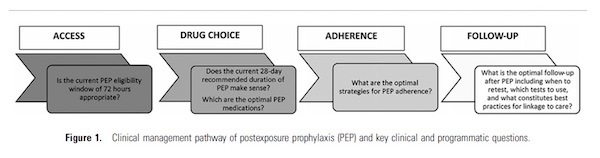
For the study, a clinical management pathway for HIV PEP was made which included the following steps:

  1. Access to the PEP and its barriers
  2. Drug choice, timing and duration
  3. Adherence to PEP and strategies
  4. Follow-up and linkage to care

hiv-pep-clinical-management-pathway

The formulated questions for each of the above mentioned clinical management pathway stage were thoroughly searched from current WHO guidelines and other online databases. The available data was collected, the gaps were identified and the GDG (Guidelines Development Group) helped the authors formulate future recommendations for each step.

Surprisingly, the study shows that the available guidelines of the WHO on the HIV PEP are mostly based on low-quality of evidence. Many of the clinical management questions that were formulated at the start of the study had no available study or recommendations.

On the whole, three study design formats for the future research were identified in the study which included the survey and interview driven research for identification of barriers related to PEP. Second was the establishment of a PEP registry on a global scale for drug choices, usage details, follow-ups and toxicities in specific drug regimen for PEP. Thirdly, randomized control trials for determination of the most authenticated evidence related to PEP.

For the study of access to PEP, the report suggests conducting cross sectional studies. To study the timing and duration of PEP, the recommendations are to have randomized control trials. These trials are also recommended for the study of the drug choice, adherence to the drug and the follow-up. Randomized control trials are lacking in comparing the HIV PEP drugs at different ages, hence the report recommends randomized control trials in it too.

The interesting thing reported in the study was that there is no future research needed in regard to the question whether a 28-day regimen for PEP  is appropriate. The report mentioned that a 28 day PEP regimen is most appropriate and this recommendation does not need any future studies.


HIV PEP Can Save Rape Victims In India; Chem Sex Has Impact On PEP and Condom Use

HIV PEP Can Save Rape Victims In India

A 3-day movement was started in Mumbai, India, to spread awareness of the use of HIV PEP as a preventive measure for rape victims from getting infected by the HIV virus. Several medical professionals and institutions took part in this movement. Although it is an established fact that the chances of a rape victim being infected by the virus is extremely low when treated within 8 hours of exposure, the treatment is not provided or mandated at a national level in India. This is what this movement is trying to change.

Dr Ishwar Gilada, who is the president of the AIDS society of India, was reported as claiming to the press in India that if a rape victim is given PEP treatment immediately, chances of infection can go down to as much as 100%. This movement comes after the recent rise in rape incidents in India. There were a reported 36735 rape cases in 2014 – statistics given by the National Crime Records Bureau (NCRB) statistics. Gilda said that HIV PEP therapy should be prescribed in addition to trauma care. The initiative to request for this medication should be made by both the relatives of the victims as well as law enforcement.

Read the full report here: http://www.uniindia.com/post-exposure-prophylaxis-can-prevent-hiv-infection-if-administered-within-8-hours-dr-gilada/others/news/254245.html

Chem Sex Has Impact On PEP and Condom Use

A study was made in London on the drug usage and sexual patterns on men who have sex with men. They study was made on 874 male participants who used the services of a chemsex support service provided by the busiest STD Clinic in London, the 56 Dean Street clinic. Chemsex is the act of using a variety of recreational and, mostly illegal, drugs to remove any sexual inhibitions as well as increase arousal and desire, resulting in periods of sexual intercourse that may last for days. One of the more popular drugs used is crystal meth.

Data collected from the survey revealed that 70% of the men who attended the clinic used drugs in all their sexual activities during the last six months. They had no recollection whatsoever of what sober sex feels like anymore. This shows a worrying dependency on drugs by these individuals for sex. In the group of men being studied, 32% of them were HIV positive, out of which 42 of them were not being treated with antiretroviral therapy and 64% of them did not use condoms during sexual activities.

For the remaining HIV-negative men, forty percent used condoms less than half the time and ten percent reported no use at all. 30% of these men were medicated with HIV PEP once at least during the last 2 years while 25% had taken the medication up to 10 times. Interest in PrEP treatment in this group of men who engage in chemsex is extremely high while a third of them do not that know such a treatment exist.

For the full report go here – http://www.aidsmap.com/London-clinic-survey-shows-impact-of-chemsex-on-condom-and-PEP-use/page/3009821/


HIV PEP Drugs: Viread® (tenofovir) nucleotide analogue reverse transcriptase inhibitor (NRTI)

Tenofovir (Viread®) was invented by Antonín Holý from at the Institute of Organic Chemistry and Biochemistry, Academy of Sciences of the Czech Republic and patented in 1984, making this one of the earliest antiviral drugs. In collaboration with Gilead Sciences and the University of California, it was developed into its current form and was approved for use against HIV in 2001. It is now also being used for the Post-Exposure Prophylaxis of HIV.

Viread® is a defective nuclease that lacks the OH- group of the deoxyribose sugar. Because of this lack, when the Viread® particle is incorporated into the DNA strand, no other deoxyribose sugars can be added, terminating production. Viread® does not interact well with human DNA polymerases and so does not have a large effect on normal cell replication. It does interact with the viral reverse transcriptase that changes the viral RNA into DNA, preventing viral replication in the host cell.

Side effects

The most common side effects with Viread® are gastrointestinal upsets such as loss of appetite, stomach ache, nausea, gas, cramping, diarrhoea and vomiting. Patients can also experience a skin rash, insomnia, headaches, dizziness and depression.

Like Emtriva® it can cause lactic acidosis so patients should be on the look out for sore muscles for no reason, fatigue, chills in the limbs and irregular heartbeat or trouble breathing. Lactic acidosis can be fatal if left untreated so it is important to seek urgent medical care should you start to exhibit these symptoms. Be aware this is a rare side effect.

Liver toxicity can occur so watch for jaundice, dark urine, light stools and fatigue. Viread® has also been linked to decreases in bone mineral density so it may be wise to speak to your doctor about supplements while taking Viread®.

Contraindications

People with pre-existing liver damage should be carefully monitored while taking Viread®, particularly those with viral hepatitis.

Lactic acidosis is more commonly seen in females, people who are overweight and those who have been taking HIV medication for an extended period of time.

Alcohol can exacerbate liver conditions so it is best to avoid heavy drinking while taking Viread®. The drug has been shown to increase symptoms of hepatitis for those suffering viral hepatitis B (HBV), though the drug itself has been approved for treatment of the HBV under controlled conditions. Be sure to inform your doctor if you have HBV so that the correct dose can be administered and liver function monitored. Patients with HBV have shown a significant increase in pathological symptoms following discontinuation of Viread® so should be monitored when coming off the course.

Those with a history of osteoporosis or other bone disorders should speak to their doctor before taking Viread®.

There is no evidence to say that Viread® is dangerous during pregnancy but insufficient data to claim it is safe. As a consequence, it should be given only in the utmost need to pregnant women. Viread® is transmitted through the breast milk, as is any live HIV virus and it is advised that those women on Viread® do not breastfeed.

Drug interactions

Due to the method of clearance from the body via the kidneys it is advised that you avoid mixing Viread® with nephrotoxic (nephron=kidneys) drugs. Viread® has not been linked to kidney failure but it is still advised that kidney function is monitored. It is recommended for patients on didanosine that the didanosine is reduced or discontinued while as Viread® will increase didanosine bioavailability which can cause damage to the kidneys or pancreas.

Viread® should not be given along with HEPSERA.

Viread® is not the only drug to contain tenofovir and it is important to ensure the correct dose.  Inform your doctor if you are taking any other anti-HIV medications to prevent overdosing. Often increasing the dose will not increase effectiveness against HIV but will exacerbate the side effects so it is important not to double up.

There is some evidence to show that Viread® bioavailability levels are boosted by the presence of Kaletra® in the patient’s system.

Additional information

Viread® is one of the oldest anti-HIV drugs and as it acts on the DNA itself rather than a protein, resistance is rare though it does occur. It is listed on the World Health Organisations list of essential medicines for the treatment of HIV and has proved its worth in the fight to stem the tide of AIDS.

Recent studies show that Viread® may have a larger role to play than just as an anti-HIV drug.  Patients with HBV have shown a reduction in viral load when taking Viread® and some have been shown to clear the HBV virus entirely from their system when taking Viread®. Despite this FDA has not approved Viread® for treatment of co-infection with HIV and HBV, concerned about the hepatotoxicity (hepato = liver) of Viread®. The situation is very different in Britain where Viread® is the first drug of choice for treating HIV and HBV co-infection.

The jury is still out on which approach is the correct one. This older of the HIV drugs may well give hope to those who are suffering a chronic HBV infection. Hepatitis C can now be cured in up to 80% of cases with correct administration of anti-virals. It may be that a solution to HBV is on the horizon.

For more information see:

WebMD – Viread

http://www.webmd.com/drugs/2/drug-22106-6330/Viread®-oral/tenofovir-oral/details

Gilead Sciences product information sheet – Viread

http://www.gilead.com/~/media/files/pdfs/medicines/liver-disease/Viread®/Viread®_pi.pdf

HIV PEP drugs: Emtriva® (emtricitabine) reverse transcriptase inhibitor

Emtricitabine was developed as a combined effort between Dr. Dennis C. Liotta, Dr. Raymond F. Schinazi, and Dr. Woo-Baeg Choi at Emory university and was patented by Emory through Triangle Pharmaceuticals under the trade name of Emtriva® in 1996. Triangle Pharmaceuticals has been owned by Gilead Sciences since 2003.

Emtriva®™ targets the HIV protein reverse transcriptase. By inhibiting this protein, it prevents the virus from converting its viral RNA into DNA that can be read by the host cell, halting the virus replication process. This drug is now being used in both HIV treatment as well as prevention in HIV PEP therapies.

Side effects

Emtriva®™ has relatively few side effects compared to other anti-HIV drugs. Most common side effects are diarrhoea and other gastrointestinal upsets. Insomnia, fatigue and depression can be associated with Emtriva® in some patients as well as dizziness and headaches. Rashes can occur as the result of a mild allergic reaction and skin discolouration has been seen in some patients, most commonly in those with dark skin and in children.  Like Kaletra®, Emtriva® can cause redistribution of body fat from the limbs to the torso.

The serious side effect of Emtriva® is the rare development of lactic acidosis where toxic lactic acid builds up in the muscles resulting in short-term muscle aches similar to those seen after exercise. This condition, if left untreated, can be fatal and you should consult your doctor if you experience unusual muscle aches along with fatigue and difficulty breathing.

Emtriva® is metabolised by the liver and can cause liver disease. Jaundice (yellowing of skin and eyes) is a sign of liver damage and you should seek medical assistance immediately if you notice any yellowing of skin or eyes. Other signs to watch for are darkening urine, going off your food, nausea, light coloured stools and abdominal pain.

Contraindications

Emtriva should not be taken by those who have shown allergies to drugs of a similar class. This drug is metabolised by the liver and so can exacerbate hepatitis. It is not approved for use in patients with Hepatitis as it may escalate prior liver damage. The same advice is given for patients with kidney disease or elderly patients as Entriva is eliminated from the body by the kidneys and may put added stress on this organ.

Alcohol use should be limited while on Entriva as the breakdown of alcohol will also stress the liver. Patients with Hepatitis should be monitored while on Entriva. While there have been case studies that show Entriva is effective against the Hepatitis B virus, others have seen a severe escalation in liver dysfunction and it is not currently approved for treatment of Hepatitis B.

Lactic acidosis is a rare side effect of Emtriva but is more likely to occur in patients that are overweight, female or who have been taking Emtriva or similar drugs for an extended period of time.

Current studies suggest that Emtriva does not harm a developing foetus and should be safe for use in pregnancy but there is not sufficient data to say it is definitely safe. As such it is suggested that Entriva is used only when absolutely necessary should the patient be pregnant. Entriva is secreted in breast milk and live HIV virus can be transmitted via breast milk even when the patient is taking antivirals.  It is advised that patients taking Entriva do not breastfeed their infants.

Drug interactions

Emtriva should not be taken along with other reverse transcriptase inhibitors such as lamivudine so it is essential you inform your doctor if you are taking any other anti-HIV drugs so they can ensure the correct dose. Other drugs may interact with Emtriva, make sure you inform your doctor of any medication or supplements you are taking.

Additional information

Emtricitabine is listed as an essential medicine by the World Health Organisation (WHO). It is one of the pioneer drugs in the fight against the spread of AIDS and its relatively few side effects and high safety profile make it a drug of choice for nuclease inhibitors.

As it acts against a viral protein that is able to mutate there are strains resistant to Emtriva, notably the M184V mutation (this means that the 184th amino acid in the protein has mutated from a methionine to a valine). Resistant strains are commonly seen in those who have been taking Emtriva or the closely related lamivudine for long periods. Those with resistant strains may need to be put on a different class of nuclease inhibitor such as Retrovir or Viread.

Emtriva has shown some effectiveness in the treatment of Hepatitis B virus (HBV) and some doctors will prescribe Emtriva for patients withHBV. However, due to the exacerbations of liver illness, treatment of HBV with Emtriva can cause symptoms to worsen. It is a case of which is worse, the virus or the effects of hepatitis.  Because of liver toxicity Emtriva is not recommended or approved for treatment of HBV despite possible antiviral properties.

For more information see:

WebMD – Emtriva

http://www.webmd.com/drugs/2/drug-76365/Emtriva®+oral/details#precautions

Gilead Sciences product information sheet – Emtriva

http://www.gilead.com/~/media/files/pdfs/medicines/hiv/Emtriva®/Emtriva®_pi.pdf

HIV PEP drugs: Kaletra® (lopinavir/ritonavir) viral protease inhibitors

The HIV PEP designer drug Kaletra® (LPV/r) contains the two HIV viral protease inhibitors lopinavir (LPV) and ritonavir (RTV) [Norvir®]. Developed by Abbott laboratories in 2000, it is referred to as a designer drug as it was specifically formulated based on X-ray crystallography structures to specifically target the HIV protease.

Both lopinavir and ritonavir inhibit the viral protease, but the genius behind Kaletra® is the combination dose that allows the two drugs to work in synergy. Ritonavir has toxic side effects at the levels required for it to inhibit the protease on its own while lopinavir struggles to maintain biological activity in the body. Abbott Laboratories discovered that at low dose ritonavir increases the activity of lopinavir by increasing the amount of the drug that remains biologically active and able to inhibit the HIV protease. The combination drug Kaletra® is able to produce a greater effectiveness at a lower dose for both drugs than they are able to achieve on their own.

Side effects

The lower dose in Kaletra® does reduce the side effects but does not eliminate them. Common side effects from Kaletra® include nausea, headaches, muscle pain particularly in the back, vomiting, dizziness, heartburn, redistribution of weight from limbs to the torso and itchy skin.  Severe and even fatal allergic reactions have been seen with this drug and it is advised to seek emergency medical assistance should a skin rash appear on taking Kaletra®.

Contraindications

Kaletra® like many medications can stress the liver. If you have liver disease you should check with your doctor prior to taking this medication. Yellowing of the skin and eyes (jaundice) is an early warning sign of liver damage. Seek medical assistance should you notice jaundice appearing. Diabetes is another condition that needs to be monitored carefully while taking Kaletra®. Irregular heart beat may occur and patients with pre-existing heart conditions should be closely monitored.

The drug can cause an increase in sugar levels so care should be taken to monitor levels carefully in diabetics. Those who are not diabetic can start to show symptoms similar to diabetes while on this drug. Watch for increased thirst, increase in the need to urinate, fatigue, dizziness, fainting, blurred vision and fruity smelling breath. Hyperglycaemia (too much sugar in the blood) if unchecked can lead to coma and death even if the patient is not diabetic.  Patients with pancreatitis, haemophilia and low potassium levels should also speak to their doctor about possible alternatives.

Pregnancy or breastfeeding should always be discussed with your doctor before starting any new medication. It is not advisable to take Kaletra if breastfeeding and a different dosing strategy is required during pregnancy.

Drug interactions

As well as complicating existing medical conditions and uncomfortable side effects, Kaletra® interacts with other drugs. Your doctor will provide you will a full list should you start taking this drug and you should advice of all drugs you are taking including herbal remedies.  Kaletra® is known to interact with hormone treatments and decrease their efficiency, the pill may not work as well and extra care such as using condoms is advised as contraception while using this drug. Herbal remedies can contain strong drug compounds. It is not advisable to take St John’s wort for example while on Kaletra®. Your doctor or pharmacist can advise you on other herbal remedies that you may be taking.

Additional information

The development of Kaletra® has not been without its share of controversy. The patent held by Abbot Laboratories will not expire until 2016. The expense of the drug led the Thai government to ignore the patent and authorise the import of generic versions in 2007, reported in the Financial Times (By Amy Kazmin in Bangkok and Andrew Jack in London March 17, 2007).  Abbott Laboratories responded by removing their drug from the Thai market, with resulting backlash from global NGOs. Attempts by India to follow suit left them with an inferior product (Financial Times, Andrew Jack, August 1, 2008).

The funds required to research and develop a drug such as Kaletra® are not small. Designer drugs such as Kaletra® where expensive and time-consuming studies are performed are a risky enterprise. Most designer drugs fail, either due to function or to toxicity in human trials. The patent laws are meant to ensure that the company that does the work benefits from the success of the drug. Some argue that this gives the company a monopoly and when that drug means the difference between life and death the company can in effect hold a person’s life ransom with the cost of the drug. It cannot be doubted that companies have done this in the past. From the point of view of the Thai government, they were doing what they thought necessary to save the lives of their people. From the point of view of Abbott Laboratories, they see a drug they have likely spent a decade and millions of dollars perfecting, being given to a competitor for free to profit from. The politics surrounding the global distribution of Kaletra® is a good example of the conflict between the needs of a business to be profitable and the needs of the people for treatment at a reasonable cost.

For more information see:

WebMD – Kaletra

http://www.webmd.com/drugs/2/drug-19939-542/kaletra-oral/lopinavir-ritonavir-oral/details#uses

Kaletra product information.

https://www.kaletra.com/important-safety-information

HIV PEP: Frequently asked questions

What is PEP?

PEP stands for Post-Exposure Prophylaxis and is a combination of drugs (usually lopinavir/ritonavir, emtricitabine and tenofovir) that will prevent replication of the HIV virus long enough for your body to clear it.

How does PEP work?

HIV PEP uses a three-pronged attack, aiming at elements of the virus essential for replication and that do not match processes used in human cells. This way the drugs attack the virus but do not interfere significantly in essential cell processes. It has three groups of drugs, a protease inhibitor (lopinavir/ritonavir), a reverse transcriptase inhibitor (emtricitabine) and a nucleoside reverse transcriptase inhibitor (tenofovir).

HIV is a retrovirus, which means it has an RNA rather than DNA genome. Before it can replicate in the cell it needs to change the RNA to DNA so that the human cell will recognise it and start making copies. To do this, it needs three things, the RNA genome as a template, a protein called a reverse transcriptase that reads the RNA and converts it to DNA and nucleosides/nucleotides (deoxyribose sugars) to make the DNA. The reverse transcriptase inhibitor binds directly to the viral reverse transcriptase preventing it from acting and stopping viral replication. The nucleoside reverse transcriptase inhibitor is a defective deoxyribose sugar that lacks the OH- group on the 3’ end. This prevents any deoxyribose sugar being added to the DNA strand after that point and stops the transcription dead.

The third prong of the attack is the protease inhibitor. If the virus gets past the reverse transcription inhibitors and makes viral DNA, the host cell will convert that DNA into a protein which is the functional element that the DNA is the plan for. This protein (gag-pol) needs to be cut in certain places to go from a pre-peptide to functional proteins. The protease inhibitor blocks the viral protease that cuts the pre-peptide, preventing the formation of functional virus particles. Working together these three elements effectively halt viral replication long enough for the body to clear the infection.

How effective is PEP?

PEP has been shown to clear the HIV from the system in >70% of cases. It is not a cure. It halts viral replication and so decreases the chances that an integration even will occur but will not undo any integration even that has already occurred. These events are very rare and are certain in non-treated HIV cases only due to the high number of virus and the time the body is exposed. The drugs can halt viral replication long enough for the immune system to recover and clear the virus. However, sometimes a recombination even occurs early in the infection and if this happens then the virus cannot be cleared. It is a bit like a game of Russian roulette, the longer you play, the more likely you are to get a bullet, but it can be in that first shot. This is why it is necessary to follow up after the PEP course to ensure the virus has been properly cleared. The only way to completely ensure you don’t get an HIV infection is to avoid contracting the virus in the first place. Practice safe sex with a partner who also practices safe sex.

What are the most common side effects of PEP?

  • Headaches
  • Backaches
  • Dizziness
  • Nausea
  • Vomiting
  • Diarrhoea
  • Insomnia
  • Depression
  • Redistribution of body fat from the limbs to the torso
  • Development of a buffalo hump
  • Irregular heart beat
  • Fainting.

That is not to say you will experience any or all of these, but they are normal to experience while taking this medication. Not all side effects will be listed on the information sheets. If you find you are experiencing a side effect that you can’t find a reference to does not mean it is not linked to the PEP or that you are imagining it.  Only the most common side effects are listed as a rule. Anything you are unsure of please speak to your doctor.

What are the most serious side effects of PEP?

Liver damage seems to be the most common of the serious side effects. Jaundice, darkening of the urine and loss of appetite are the things to watch out for there. Kidney dysfunction is another thing to watch out for and you should speak to your doctor should you find significant changes to your toilet habits following PEP. Lactic acidosis is a rare but serious side effect where lactic acid builds up in the muscles (this is the substance that makes muscles ache after exercise). It can be fatal so seek urgent medical attention if you are suffering unexplained muscle aches, fatigue and dizziness.

One of the components of PEP can raise your blood sugar levels so it is important to keep a closer eye on those should you be diabetic. Those who are not diabetic should seek urgent medical attention should they find themselves exhibiting the symptoms of diabetes – increase thirst, increased urination, dizziness, fainting and fruity smelling breath.

Most of these side effects are rare but given that they can be fatal it is important to be aware of them and to seek emergency medical care should you suspect you are showing symptoms. A false alarm can be annoying, but it is better than ignoring valid warning signs. Make sure that you are having regular follow ups with your doctor during your PEP course, these are serious medications and can do real damage if not monitored correctly. If you have a good doctor, he or she will not mind you asking whatever questions you may have.

Do I need to take the full 28-day course?

Yes. The drugs to do not kill the virus, they stop it replicating. It is your own immune system that clears it and that has come under a significant attack by the HIV. You need to give it time to recover and clear the virus.  There has been lots of research in this field and 28 days seems to give the best outcome.

Do I need to go to the same doctor for check ups?

No, but it is wise that you do so. HIV is a scary disease and the drugs to treat it are very strong, with side effects to match. A good relationship with your doctor can make a huge difference.  It is easier to catch any problems if you are seeing the same person and they have all your previous data. Find a doctor you have confidence in and who you can ask questions of.

Can I take PEP if I am pregnant?

Yes, it is likely that PEP is safe if you are pregnant but it has not been proven that it is safe. Use only if absolutely necessary, but if you do have to use it, it is unlikely that the baby will be harmed.

Can I breast feed if I am on PEP?

No. All the PEP drugs have been found in breast milk so you will be giving them to your baby. You also run the risk of transmitting live HIV virus via the breastmilk. Baby milk formula is the safest choice in this situation.

What do I do if I forget a dose?

Take the dose when you remember unless you are within four hours of your next dose, then continue as normal. Do not take double the dose. It will not improve the effectiveness if you double up, but it will increase the severity of the side effects.

I have flu like symptoms when I take PEP, is this normal?

Yes. It is called Immune Reconstitution Syndrome and it is a result of your immune system recovering from the HIV attack. It is responding to threats that it was too weak to combat before the PEP treatment and is a good sign.  If symptoms are serious, speak to your doctor.

Can I drink alcohol while taking PEP?

It is advised that you don’t. Alcohol is processed in the liver and all the PEP drugs can cause liver damage. Best to give it a rest for 28 days. That said, alcohol will not interfere with the activity of the drug and if you have half a glass at a special occasion it is unlikely to do any harm. Avoid binge drinking, your liver will thank you.

Can I have unprotected sex while on PEP?

No. The PEP drugs inhibit the virus, they don’t kill it. That is why you need to take them for a month. In most cases, your immune system is able to mop up the inhibited viruses before they can integrate into your genome and become chronic infections. Live virus is still present and while the chances of transmitting it are decreased, your blood and body fluids may still be infectious.

What Do We Do If Days Into Treatment, Another Exposure Occurs?

We added this answer based on a question from Quora.

Additional instances of exposure do happen with some degree of frequency. Both during, and immediately after HIV PEP treatment. On the one hand, people don’t always learn their lesson. On the other, there is the drive for sex, and the prevalence of drug abuse, particularly methamphetamine (ice), causing a decline in safe sex practices.

Going by the principle of the HIV PEP treatment protocol, a full 28 days of treatment should be completed after any potential exposure. Therefore, if a potential exposure did occur during treatment, then the end of the treatment should extend till 28 days after the point in time when the exposure happened.


In The News

Pressure in Europe for access to PrEP

At the 15th European AIDS Conference, speakers voiced concerns from public about the growing need for access to PrEP (Pre-Exposure Prophylaxis) to be used informally. PrEP is a treatment that uses anti-HIV medication to prevent people who are HIV-negative from becoming infected in the near future (up to about 3 weeks after). In Europe currently, like many other countries, PrEP is not funded by government bodies and can only be obtained privately from doctors on an individual basis rather than being a part of the public healthcare system – which means access is limited and more costly.

Many have sought to go around this issue by asking for HIV PEP (Post Exposure Prophylaxis) medication instead with the intention of using them as PrEP. There are national initiatives to push for making PrEP a part of HIV prevention strategies on national levels that is also fully funded, though it is still at an early stage, and moving at a slow pace. Much of the obstacles to making this medication part of the public health system in Europe is due to cost, government red tape as well as the difficulties of implementing something across a continent with varying public health systems.

Read full news report here: http://www.aidsmap.com/When-will-Europe-get-PrEP/page/3008966/

Zimbabwean government clamps down on pharmacies

HIV PEP in Zimbabwe is usually only prescribed to medical professionals and workers who have a high risk of occupational exposure and rape victims. This essentially makes access limited to members of the public who engage in risky sexual behaviour. Many, however, are circumventing this problem by obtaining PEP medication from pharmacies that are illegally dispensing such medications without a doctor’s prescription. Pharmacies caught doing so are subject to penalties and sanctions by the Government. HIV PEP is not considered a preferred HIV prevention strategy in Zimbabwe and is strictly dispensed only to rape victims and medical personnel.

Read full report here: https://www.newsday.co.zw/2015/10/02/govt-warns-unscrupulous-pharmacies/

Just as likely to get STD in a monogamous relationship

A recent study published by The Journal of Sexual Medicine revealed that individuals in a monogamous relationship are statistically just as likely to contract sexually transmitted diseases as those who are not. In the study, 556 volunteers were recruited, out of which 351 were in monogamous relationships while the rest were in open relationships. Results concluded that the likelihood of contracting STDs were the same between the 2 groups, mostly due to one or both of the parties secretly cheating, which makes us think – is monogamy just an illusion?

Read full study here: http://www.medicaldaily.com/trust-no-one-youre-just-likely-get-std-monogamous-relationship-you-are-open-one-358538

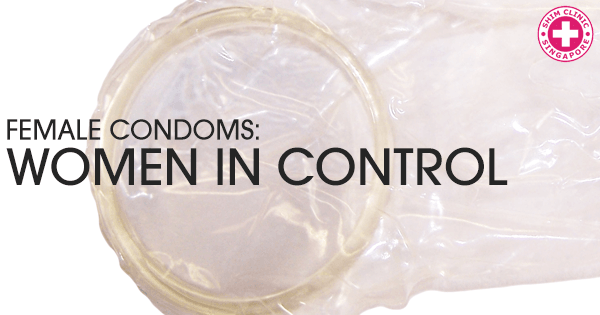
Female condoms; women in control.

Most people are familiar with the male condom.  Its use is outlined in sex education classes and mentioned extensively in movies, TV, and other popular media.  Less well known is the female condom, a barrier method of contraception and STD protection.

What is it?

The female condom is a pre-lubricated polyethylene sheath that is inserted into the vagina or anus prior to coitus. It forms a tube with a closed rubber circle at one end and an open ring at the other. The tube is inserted into the vagina or anus with a finger, similar to a tampon. The open ring is left hanging about 1cm outside of the vagina.

Advantages

The advantages of the female condom are that it does not need to be inserted during sex, indeed it is safe to put it in place up to eight hours previous, and so not disrupting the mood. It also does not need to be immediately removed allowing the intimacy to continue post-coitus. The looser fit of the female condom means it does not inhibit erection or reduce sensitivity as the tighter male condoms can. They are a good choice for those with a latex allergy or sensitive skin.

Disadvantages

The disadvantages are a slight increase in cost, possible rustling noises during coitus (this can be reduced with extra lube) and slipping during sex. If incorrectly used it can slip inside the vagina during sex and the loose entrance ring can be missed, allowing the penis to move between the wall of the vagina and the condom instead of inside. It is not as effective as a male condom in preventing pregnancy with a 95% success rate if used correctly, vs 98% for the male, and down to 79% if incorrectly used.

Buying them

Female condoms are not commonly available in stores and need to be ordered online. If used correctly they protect against STDs as effectively as the male condoms. It is a matter of personal preference as to whether male or female condoms suit you best. Difficulties may arise in the first few attempts so it is worth practicing prior to use or using with a trusted partner you know to be safe for the first attempts.

Remember that no form of protection is 100% safe and the best protection is abstinence or a faithful monogamous relationship. In cases where you found that the condom has been damaged during or after intercourse, you may want to consider going on HIV PEP medication if either you or partner have been known to engage in risky sexual behavior. HIV PEP will help to stop HIV infection within 72 hours of exposure.

Find out more about HIV PEP here: https://www.shimclinic.com/singapore/hiv-pep

Find out more about our STD Clinic here: https://www.shimclinic.com/singapore/std