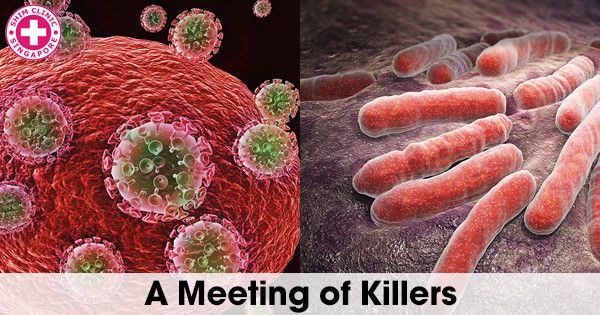
A Meeting of Young and Old Killers: AIDS and Tuberculosis

Tuberculosis

When it comes to diseases that have shaped world history you cannot go past Tuberculosis (TB).  Its footprint lingers in literature, it is found in ancient Neolithic remains and Egyptian mummies and we can even link the development of Kellogg’s Cornflakes with the health crazes that it triggered over the previous two centuries.

Cause

TB is caused by the bacterium Mycobacterium tuberculosis, in the same genus as the bacteria that cause leprosy, another scourge of the ancient world.  M. tuberculosis bacteria invade the body then concentrate in tubercles otherwise known as granulomatous lesions, cysts which are formed around infected tissue by the immune system.  While these halt the immediate invasion and minimise tissue damage they do prevent the immune system or certain antibiotics from destroying the bacteria within allowing it to maintain chronic infection.  Its slow growth and aberrant cell wall structure allow the bacteria to be further resistant to treatment.  Antibiotics find the cell wall, a cross between gram negative and positive structures, difficult to permeate, and many, including penicillin, target the cell replication process.  Treatment required a mix of multiple hard hitting antibiotics over at least six months, a schedule that is often not maintained by patients.

Infection

M. tuberculosis shows a preference for the lungs but can invade any body tissue including the brain. Military Tuberculosis is when it gets into the blood stream to cause a systemic infection and is often rapidly fatal.  Once a rare complication of Tuberculosis, seen mostly in young children, co-morbidity (infection of two or more pathogens) with AIDS results in a 3-6 fold increase in the risk of developing Military Tuberculosis if infected with the bacteria.  More commonly the chronic infection causes scarring of the lungs, leading to a slow death from lung failure.

The 1800s

By the start of the 1800s, it was estimated one in four deaths in England was caused by Tuberculosis.  The Victorian’s love of tragedy introduced the consumptive beauty into literature, the heroine who slowly succumbed to a disease that made her pale, thin and ethereally lovely. Diseases were considered the result of miasma (bad air) and health resorts became the rage across Europe and America.  In Germany and Switzerland health spa tourism was born.  In England, it was Bath and the seaside resorts of Brighton and Hampton that benefited.  In America, Dr Kellogg’s health sanatorium focused on nutrition, exercise and strangely enemas.  The breakfast cereal he developed was wildly successful.  His enema treatments not so much.

By the end of this century, the microscope had revealed the cause of infectious disease.  This was the age of Koch and Pasteur, the fathers of microbiology and two of the most bitter rivals in scientific history.  It was German Robert Koch who identified the M. tuberculosis, a discovery that won him the Nobel prize in medicine in 1905 and lead to M. tuberculosis being commonly called Koch’s bacillus.  Public health campaigns started up to prevent the spread the results of that we can still see today.  Laws prohibiting public spitting can be traced to anti-tuberculosis campaigns and the signs from the 1920’s campaign prohibiting spitting are still in place at Melbourne’s famous Flinders St train station.  Frenchman Louis Pasteur put his own mark on the history of tuberculosis by developing the method of pasteurisation by which milk could be sterilised prior to sale.  Pasteurisation stopped the transmission of the closely related bacteria M. bovis from cows to humans, a common cause of TB in the 1900s.

Arrival of Antibiotics

By the 1940s to 1950s antibiotics had come onto the scene and were successful in causing a rapid decrease in the rates of TB.  However, M. tuberculosis was quick to fight back and due to its unique cellular quirks was one of the first bacteria in which antibiotic resistance was seen.  The emergence of antibiotic resistant TB strains coincided with the sexual revolution and the explosion of AIDS onto the world, first in Africa in between 1950-1970 then into Asia and the western world.

The Link Between HIV and TB

So why should AIDS and TB be linked?  After all of the 1.45 million deaths caused by TB in 2013 (second only to AIDS as the leading cause of infectious disease-related deaths worldwide) only 0.34 million were HIV positive.  Yet HIV is listed as a risk factor for TB.

Shared Risk Factors

Firstly there are the shared risk factors.  Poverty and drug use, which are risk factors for contracting HIV, are also risk factors for many other diseases including TB.  TB, like most respiratory diseases, is spread through close personal contact and kissing during sex, like a cold.  Secondly, bacteria are primarily opportunistic pathogens.  They cause disease for the most part in sick people where the immune system is not so strong and you can’t get all that much more immunocompromised than AIDS.  People with compromised immune systems are also more likely to have asymptomatic TB and so spread the disease more readily as they will not take measures to protect their partner.  Then there are the drugs, medical drugs I mean.  I spoke in an earlier blog piece about how the recent development of one pill HIV PEP combination therapy for HIV was a godsend for doctors as it make people far more likely to take their medication.  The same is true for TB.

The Cocktail of Confusion

Imagine that you have AIDS.  You are taking three drugs for the HIV, another two to counter side effects, one for the thrush in your mouth, one that you are not sure what it does but your doctor says you have to take it.  Then you are told, “Oh and by the way, you have TB.  You need to take isoniazid for six months so here are some vitamin B tablets as well and I will also put you on rifampicin.  Two months on pyrazinamide, it may cause some joint pain, and ethambutol, now that may cause red-green colour blindness, unlikely, but let me know if you have any trouble with your eyes, ok.  Here are some tablets for the diarrhoea this is likely to cause and now I should let you know all of these can cause your liver to shut down, only sometimes, but I will need to you come in for a liver test next month.  These need to be taken with food, this one can’t be taken with food, this one twice a day, only take that one in the evening” and so on.  I suspect like me you would have trouble keeping them all in order let alone taking them all.

The Problem With Non-compliance

The problem is that non-compliance with the treatment is what causes resistance.  There are some superbug strains of M. tuberculosis which nothing will cure, and with a fatality rate of around 50%, that is a scary thought.  Compliance programs, where a nurse comes to your house and watches over you while you take your drugs, have been very effective. However, such programs are very expensive and when the highest incidence of TB is in the third world, such programs are just not feasible.  You can see why combination therapy for HIV is a wonder.  Reducing that list by two drugs makes everything seem far more manageable.

A Problem That Affects Everyone

HIV and TB are both diseases of poverty.  They occur most often in the marginalised and those who court risk.  But their impacts are felt by all.   The AIDS 2031 Cost and Financing Working Group, as part of the Joint United Nations Programme on HIV/AIDS (UNAIDS) Global Resource Needs, estimates that by 2031 HIV may be costing the global economy $35 billion dollars US.  TB while less in incidence has not had the global research on reducing costs and is estimated to cost $1-3 trillion a year and can rob a country of up to 7% of its GDP.  For both diseases are seen primarily in people of working age, resulting in not only direct costs to the health care services but in the reduction of effective workforce.

The good news is that as they are both seen in the same demographic, resources can be targeted to that demographic for both diseases and share the costs.  The chronic condition of TB makes it economically viable for drug companies to research and manufacture combination therapies for TB, whereas they are not for other bacteria diseases.  Less arduous treatment options mean that compliance going forward is less costly and more likely without a nurse to hover over the patient’s shoulder.

Conclusion

A vaccine, the bacille Calmette-Guerin (BCG), exists, however causes the patient to give a false positive for blood tests for TB.  For this reason, the vaccine was not introduced into the childhood immunisation programs in the USA, though it has been used and still is used in many countries including Singapore and Australia.  Australia discontinued immunisation against TB in the 1980s except for children less than six months who would be living in or travelling through a country with high TB incidence.  TB incidence has been on the rise in Australia since 2007 as with many first world countries, thought to be a result of increased global migration.

Singapore discontinued the second vaccination for BCG in 2001 following a highly successful campaign with the Singapore TB Elimination Programme (STEP) which saw a 15% reduction in new cases of TB in three years.  Infants are still vaccinated and this protects them during the most vulnerable years and the second vaccination is deemed unnecessary save in specific high-risk circumstances.  Vaccination of children under six months of age does not cause them to show a false positive in TB tests, leaving the current TB detection tests effective. Research is ongoing for a workable adult vaccine.

Co-morbidity is rare for infectious disease except in STDs.  Unfortunately if you have one STD it is likely you also have another, and that list is not just limited to STDs.  Singapore is fortunate to have a relatively low incidence of both AIDS and TB.  If you are travelling be aware that other countries are not so fortunate and activities that may be fairly low risk in Singapore or Australia may be high risk in China or Africa.  Make your doctor aware of any other symptoms you may have as well as regions you have recently visited.  These things can be treated if you catch them early.  Don’t become a statistic.
The World of Antiretrovirals

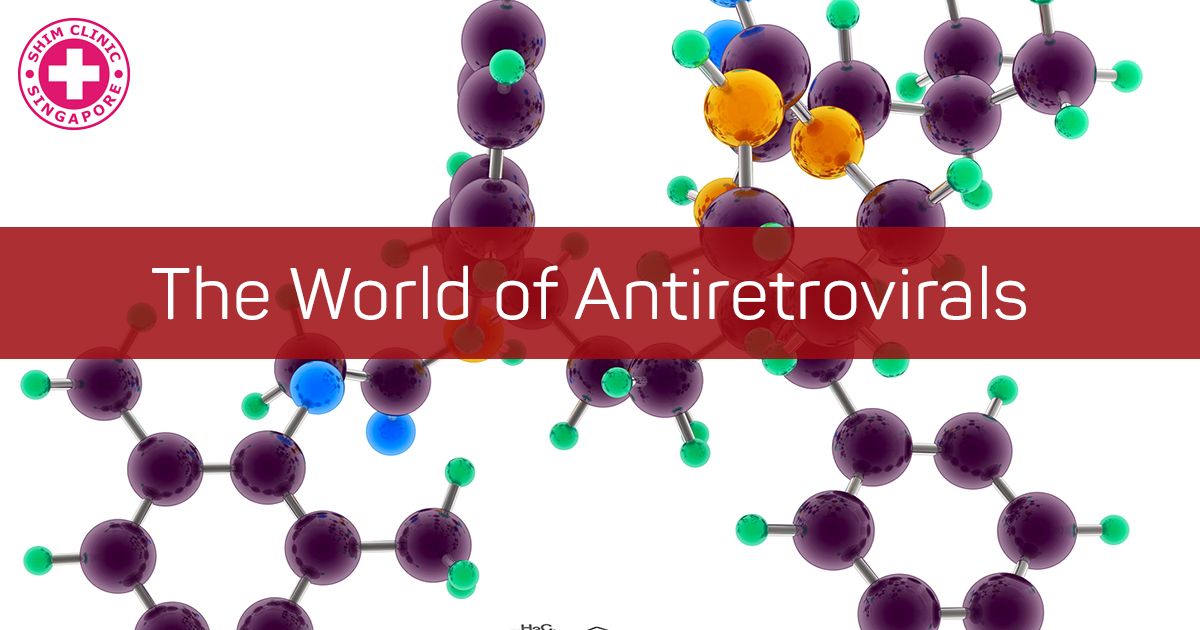
In the 1980’s diagnosis with HIV was a death sentence. In 1995 in the USA, it was the highest cause of death in the age range 25-44 years. Nowadays HIV is a life sentence, but a relatively painless one. Anti-retroviral therapy (ART) has ensured that the virus is kept locked away in the host DNA, never to be seen more in most cases.

From no treatment available in 1983 to more than 40 retroviral inhibitors in 2015, with more in the works, scientists are staying one step ahead of emerging resistance. The death toll from HIV continues to plummet. Anti-retrovirals consist of a wide range of drugs that target different stages of the virus lifecycle.

Stage 1: Invasion

The first thing the virus needs to do to effect a successful infection is get into the cell. This stage is thwarted by the entry inhibitors, notably maraviroc (MVC) and enfuvirtide (T-20).

Maraviroc binds to the host cell receptor that the HIV virus binds to before working its way into the cell. It is not a common treatment. The binding of Maraviroc to the cell can open up a secondary binding site, allowing the HIV to attach regardless. The drug also has liver toxicity issues. It has however been approved by the FDA for human use and is a fallback when other drugs prove ineffective.

Enfuvirtide acts on the virus rather than the host cell, binding to the gp41 protein that HIV uses to attaches to the cell, inactivating it and stopping invasion of the cell before it starts. As with Maraviroc, it is used as a ‘salvage therapy’ rather than the first port of call due to its high cost and the fact it can only be administered as an injection.

Stage 2: Transcription

HIV is a retrovirus, which means that the virus genome is made of RNA rather than DNA. In order to replicate it needs to transcribe the RNA code into the DNA used by mammalian cells for genomic content. Mammalian cells only transcribe DNA to RNA, not the other way around. The protein needed to transform the RNA into DNA has to be provided by the virus. It makes a good place for scientist to target as the fact that it is not a protein seen in humans reduces the risk of side-effects.

The Nucleoside (or Nucleotide) analogue reverse transcriptase inhibitors (NRTI). NRTIs are specialised nucleosides, the building blocks of DNA, lacking the essential hydroxy group on its 3’ end. Lack of this group prevents it from binding to another nucleoside and stops the construct of the DNA strand cold. Without this DNA strand the virus is unable to trick the host cell into replicating viral the viral genome. The NRTIs are the most effective anti-retroviral therapies and include some of the oldest anti-retroviral among their number. Examples include zidovudine (ZDV)abacavir (ABC)lamivudine (3TC)emtricitabine (FTC), and tenofovir (TDF).

Non-nucleoside analogue reverse transcriptase inhibitors (NNRTI). NNTRIs are drugs that target the viral reverse transcriptase directly rather than targeting the process. By binding the viral protein near the active site they change the structure of the active site, so it cannot bind nucleosides and catalyse the formation of DNA from the RNA viral genome. Examples include nevirapine (NVP), efavirenz (EFV), etravirine (ETR) and rilpivirine (RPV).

The virus is not able to change the building blocks of DNA so resistance to NRTIs is uncommon, however, it can change the structure of the reverse transcriptase protein. HIV-2 is naturally resistant to NNRTIs.

Stage 3: Integration

A viral infection that destroys all the cells it is able to infect does not have a long lifespan. To ensure it lives to fight another day, the virus does not destroy all the T-cells in invades. In some instead of taking over the cellular machinery to make thousands of copies with the transcribed DNA, it inserts its own DNA into the host cell genome using a viral protein known as an integrase.

In 2007, the drug raltegravir (RAL) was approved by the FDA. Raltegravir binds in preference to the native substrate, i.e. if there is any raltegravir nearby the integrase will select that before the host genome it is meant to target. In this way, it uses up all the integrase before the virus can insert into the genome. In 2014 two more integrases inhibitors were approved for use, elvitegravir (EVG) and doultegravir (DTG).

Stage 4: Virus production

Once the viral DNA has been transcribed and integrated the virus needs to then make more copies of itself. It does this by tricking the host cell to replicate the viral RNA genome and proteins in preference to its own functions, killing the cell in the process. The viral proteins are made as one long peptide (protein) chain called the gag/pol precursor and this is cut up by a viral protease (enzyme that cuts proteins) to separate the individual proteins into their active form.

The protease inhibitor antiretroviral drugs target this stage of the virus lifecycle, preventing the protease activity and activation of viral proteins. Protease inhibitors include lopinavir (LPV), indinavir (IDV), nelfinavir (NFV), amprenavir (APV) and ritonavir (RTV). Due to high mutation rates of the viral genome and high tolerance for mutation in the viral protease, this category of drugs suffers the most from emerging resistance.

The drugs are used as combinations to target multiple stages in the viral cycle and reduce the incidence of resistance. They are used in combination to target the virus at all stages of infection, commonly 2 NRTIs in combination with either a NNRTI, a protease inhibitor or an integrase inhibitor.

Different combinations are preferred for different situations. One of the earliest NRTIs Zidovudine (first approved 1989) has been shown to be incredibly effective in reducing the viral load in pregnant women to prevent transmission to the baby during birth. Use of Zidovudine has reduced transmission of HIV to the baby during birth from 30% of cases down to 2%.

The pre-exposure prophylaxis (PrEP), taken by those at high risk of encountering HIV is a combination of tenofovir and emtricitabine marketed as a one dose combination therapy under the name of Truvada® by Gilead Sciences. This drug has been shown to be safe for people ages 12 years and older and in various studies have shown that a daily dose reduces the risk of contracting HIV by up to 75% in high-risk individuals. Truvada is also recommended for post-exposure prophylaxis (PEP) though this can vary depending on doctor, socio-economic considerations and regional resistance, other combination therapies can be equally effective.

The first one dose combination therapy was developed by GlaxoSmithKline in 2007. Called Combivir® it contained a combination of lamivudine (3TC) + zidovudine (ZDV). As of February this year, eleven other single dose combination therapies had become available. This may seem a small breakthrough but it increases the likelihood that people will continue to take their medications and stay virus free, reducing the costs to the healthcare system, increasing peoples work life and reducing the risk of spreading via sexual contact. These miracle pills did what antibiotics did in the 1950’s, turned a killer into a mere inconvenience. With ongoing research this inconvenience lessens each year and with the blessing of hindsight we know how to reduce the threat of resistance. With good management, extensive education and ongoing research, AIDS may one day join smallpox and polio as a disease of interest only to historians.

HIV/SIV PEP in Non Human Primates: a Meta-analysis

Animals have long been the most faithful friends of humans but what is more interesting to know is that they have been a model for scientific experimentation which helps humans to make better medication and cure. A recently published meta-analysis report by the team of Irvine C. in the journal “Clinical Infectious Diseases”, the authors have admirably gathered the data published since May 2004 on the efficacy of HIV Post-exposure Prophylaxis (PEP).

The efficacy of PEP in humans was first published in 1997 in a case report. As there are ethical limitations in human subjects, animal models play a vital role in the clinical trials and research. Therefore, there are more studies on animal models and this analysis was done one data published on nonhuman primates.

The meta-analysis was done on more than 2000 papers published in medical web portals like Pubmed, Web of Science and Embase on nonhuman primates. Out of the 2517 papers and abstracts searched and found on HIV PEP, 2238 papers were excluded. 247 were duplicates which were also excluded. Out of the 40 remaining full articles, only 25 were finally selected because only these 25 papers had at least one animal which converted from being uninfected to seropositive and was given at least one antiretroviral medication. To have a more accurate analysis, the data was extracted by two different authors of the paper, simultaneously. The selection criteria were:

  • publication which were from peer reviewed journals
  • had controls
  • randomization to treatment
  • sample size was calculated
  • statement of compliance and statement related to conflicts of interests.

This meta-analysis was conducted according to protocol following the requirements set by the Preferred Reporting Items for Systemic Reviews and Meta-analysis (PRISMA).

Most of the animals which were studied in these reports were rhesus macaques or cynomolgus monkeys. Out of the total 408 primates studied, 180 were the infected animals versus 103 controls. The simian immunodeficiency virus (SIV) or Human Immunodeficiency virus (HIV) were administered to animals primarily via an intravenous route while the PEP drug/drugs were given subcutaneously. Interestingly, the animals which were on PEP were at an 89% lower risk of becoming seropositive.

The report also shows that the earlier the PEP is started the lower the rate of seroconversion. While there was no significant difference in the type of the antiretroviral medication given, there was a lower percentage of the seroconversion in the animals treated with tenofovir when compared with other drugs.

Another thing of interest with the figures was that older studies showed less efficacy of the drugs while more recent studies favored PEP.

After the authors collected and reviewed the data from previously reported papers, they emphasized that there is a need for better publications and research on the efficacy of PEP in nonhuman primates.

This meta-analysis, as a final point, emphasizes on the efficaciousness of earlier start in the application of antiretroviral PEP medications after exposure to HIV.

Source:

Irvine C et al. Efficacy of HIV Postexposure Prophylaxis: Systemic Review and Meta-analysis of Nonhuman Primate Studies. Clinical Infectious Diseases. 2015

HIV prevention: The Emerging Prevention Regimen from Post-exposure to Pre-exposure Prophylaxis

Like vaccinations for life-threatening diseases such as Hepatitis B and Tetanus, the HIV virus could be tackled more efficiently with the presence of a vaccination for this disease. Researchers have been successful in developing a pre-exposure prophylaxis (PrEP) for HIV which is now a leading development towards finally creating a vaccine. Pre-exposure prophylaxis is a combined treatment for the HIV retrovirus that is efficient in protecting people exposed to HIV from developing an infection. This information was very recently reported in Clinical Infectious Diseases, a scientific journal dedicated to infectious diseases.

HIV post-exposure prophylaxis (PEP) which has been in use for a long time, is given to individuals within 72 hours of an exposure to HIV. PEP is a 28-day medication that is a combination of 2-3 antiretroviral drugs. Studies have shown that patients receiving PEP are still at a higher risk of acquiring HIV. People who have a continuous exposure to HIV like injection drug users and people having multiple sexual partners are recommended to use PrEP. PrEP users are reported to have a lower risk of acquiring HIV when compared to PEP. It is, however, highly recommended to avoid the risk of exposure altogether.

The regimen for the PrEP is tenofovir-emtricitabine. This is the only combination approved by the FDA, USA, for PrEP at the moment. It is given either daily or intermittently for a longer period of time, unlike PEP.

People who have already been administering PEP and have a seronegative profile for HIV retrovirus are candidates for PrEP. According to CDC PEP guidelines, a person who has been exposed and administered with PEP can only be considered infection-free after a six-month HIV testing protocol. These candidates who have had PEP and are seronegative will benefit best with PrEP. People who continue to have high-risk exposure to HIV should be started with PrEP earlier than the 4-6 months profile for HIV.

More recently, the US Public Health Service guidelines suggest that if the HIV profile is negative in the preceding 4 weeks and the person is not having any signs and symptoms for HIV he/she can be started on PrEP.

One interesting question addressed by the report is who will be prescribing PrEP to patients. As there is no consensus to date for the specific position which should prescribe PrEP, it is currently prescribed by emergency care departments, the primary physicians and of course by HIV specialists treating the disease.

Although the side effects of PrEP and PEP are not very debilitating, PrEP should be administered with care in patients with bone diseases and renal insufficiency. The use of the tenofovir-emtricitabine combination is known to cause osteopenia, a condition in which bone mass decreases. Patients infected with Hepatitis B should be monitored closely for fulminant acute hepatic failure due to PrEP.

With PrEP, a 3-6 month screening for STI is recommended, especially for people living a high-risk sexual lifestyle.

Source:

Jain et al. The Transition From Postexposure Prophylaxis to Preexposure Prophylaxis: As Emerging Opportunity for Biobehavioural HIV Prevention. CID, 2015.

Syphilis: Disease of the New World.

Syphilis is forever linked in my mind with Elizabethan times. It may even be responsible for them, as Henry the Eight was allegedly infected. Syphilis may have been responsible for the high incidence of miscarriage seen in his first wife, leading to his divorce, the creation of the Church of England and his infamous marriage to Anne Boylan. As the new world opened up to explorers and spread the diseases of medieval Europe across two continents, one disease moved the other way.

Making A Comeback

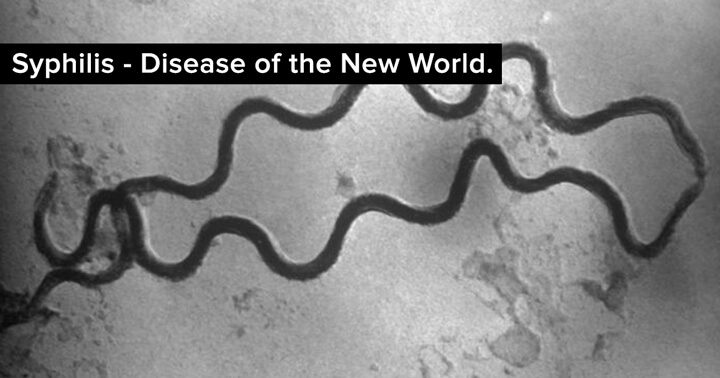
Treponema pallidum, a spiral shaped bacteria that under the microscope almost looks cute as it corkscrews its way across the slide. The symptoms, however, are terrible. In the year 2000 it looked as if it was on its way out, reaching the lowest incidence in the USA since reporting began in 1941. Since then however the disease has made a comeback, doubling in incidence between 2005 and 2013. Control has been less successful in the developing world with an estimated 12 million new cases in 1999 and notable recent outbreaks in Russian and China.

Symptoms

Syphilis is a disease for the long term and has three distinct stages. The first stage (primary syphilis) consists of highly infectious skin lesions. These commonly occur on or around the genitals or mouth but can appear on any part of the body. The sores usually last about 3 weeks but can be present for as long as 90 days. They are painless, sometimes go unnoticed by the patient and will resolve even without treatment.

If untreated, however, secondary syphilis may occur one to six months later with a rash around the groin and commonly on the palm of the hand. The rash is often described as a rosy “copper penny” rash and is easily identifiable as syphilis, but can occur as a nondescript rash that may be misdiagnosed. Other symptoms include possible warts around the genitals, sores in the mouth, fever and weight loss. Like primary syphilis, secondary syphilis will appear to resolve without treatment within a few months.

The bacteria can then lay dormant in your system for years, a period known as latent syphilis without causing any symptoms.

The Final Stages

Tertiary syphilis is the reason that Treponema pallidum should be feared. Following the latent period, the bacteria can then re-emerge to cause systemic disease, infecting essential organs such as the heart, nervous system and brain. Symptoms can include heart disease, blindness, deafness, arthritis and brain damage leading to dementia. If untreated the disease will eventually prove fatal.

Treatment

Treatment with penicillin once proved exceptionally effective and resulted in almost wiping out the disease. In most cases the bacteria are still highly susceptible to a single dose of intramuscular Penicillin, but there has been a rise in macrolide (erythromycin), tetracycline and rifampicin resistance in Treponema pallidum making treatment of penicillin-sensitive people difficult. Even with treatment if the syphilis bacteria have invaded the cerebral spinal area (brain and spinal column) many antibiotics struggle to reach this area and may not reach levels fatal to the bacteria. Relapse can occur and patients should be monitored following treatment.

What To Do

People diagnosed with syphilis will need to notify sexual partners. Condoms provide limited protection against the spread of syphilis as sores are often not covered so anyone with Syphilis must abstain from sex while sores are present to prevent infecting others. Incidence in of syphilis in Singapore is low compared to most countries but care should always be taken. Remember the best protection against any STD is abstinence or to be in a monogamous relationship where both partners are known to be STD free.

Murder by virus: The deliberate spread of HIV

“We have received feedback from those with close links to HIV/AIDS patients, that some HIV positive persons deliberately spread the disease as a form of revenge on society.” Dr Balaji Sadasivan, Senior Minister of State for Information, Communications and The Arts, and Health, 4th Singapore AIDS conference 2004.


You would think that being diagnosed with a horrible disease that your instinct would be to protect other people from the same fate. So often you see people who are affected with a devastating disease or who have lost a family member to that disease, supporting campaigns to find a cure, or educate others to avoid it. But with AIDS we see a nastier side to humanity, those who feel cheated by life, used by those who infected them. Who either ignore the risk to others or continue with their promiscuous lifestyle uncaring of who they infect, or worse, who deliberately infect others in order to get their own back, or share their pain.

If cancer was infectious would we see the same pattern, cancer patients infecting others to share the misery or is it to do with the social stigma? If AIDS was not linked to prostitution and homosexuality would we see the same reaction? Is it a person already stigmatised for their lifestyle lashing out at the world for this new indignity?

Then there is a new trend in the USA known as bug seeking, where young homeless men are intentionally contracting the disease in order to receive assistance from the state.

Murder-by-virus-the-deliberate-spread-of-hiv-Gaëtan-Dugas

Gaétan Dugas, a Canadian flight attendant is rightly or wrongly credited with spreading the HIV virus through the gay community of the USA, at a rate estimated at 250 partners a year and linking the AIDS epidemic in the USA forever with homosexuality. Sources vary as to whether Gaétan spread the virus knowingly or not.

Murder-by-virus-the-deliberate-spread-of-hiv-thailand

Hans-Otto Schiemann, a German man living in Thailand, allegedly offered young women large sums of money to sleep with him despite being HIV positive. According to The Age (October 13, 2004) between 400-500 girls were at risk of infection from his actions from when he was first diagnosed in 2001 to being jailed in 2004.

David Mannum in the USA was jailed in 2013 for deliberately infecting up to 300 people. According to CBS New (September 5, 2013) he did not disclose his HIV status due to fear of rejection.

Murder-by-virus-the-deliberate-spread-of-hiv-nadja-benaissa

It is not just men, German pop star Nadja Benaissa was convicted in 2010 of infecting her partner with HIV. English hairdresser Sarah Jane Porter was jailed in 2006 for having unprotected sex with multiple partners following her HIV diagnosis. While it is harder for men to contract the virus than women during sexual intercourse it is still a high risk to take.

Few cases however get darker than that reported in the New York Times (January 9, 1999) of Brian Stewart, who in 1992 infected his 11 month old son with contaminated blood when the boy was recovering in hospital following an asthma attack. The reason behind the attack was that he did not want to pay child support. In 1999 he was sentenced to life in prison.

Rumours abound of men and women who recklessly and deliberately spread the HIV to multiple partners, but the cases of HIV sociopaths are rare. More often they are terrified and unable to face the truth about their condition. They do not tell others for fear of being rejected. Unfortunately, it is not a problem that goes away if ignored and many people can be hurt from non-disclosure.

In some countries, it is against the law to transmit the disease to another once you know you are HIV positive. Other countries use existing laws to prosecute those who deliberately infect others. In Singapore, the law is very clear. “It is an offence for persons who know that they are infected with HIV not to inform their sex partners of their HIV status before sexual intercourse,” under the Infectious Disease Act. There have been no cases of large-scale deliberate infections with HIV in Singapore. The first conviction under the act was in 2008 and since then there have been two more. None passed the disease to more than two people.

Most people are honest and will do the right things. Those who are out to deliberately infect people are looking for the act themselves. Beware one night stands. Get to know the person before you get into bed and ask the hard questions. Not asking can be much harder in the end.

If you are HIV positive or suspect you may be, please consult your healthcare professional. There is support available. If you suspect you have been deliberately infected, consult your doctor and mention that it may have been deliberate, they will be able to give you support in approaching law enforcement agencies.

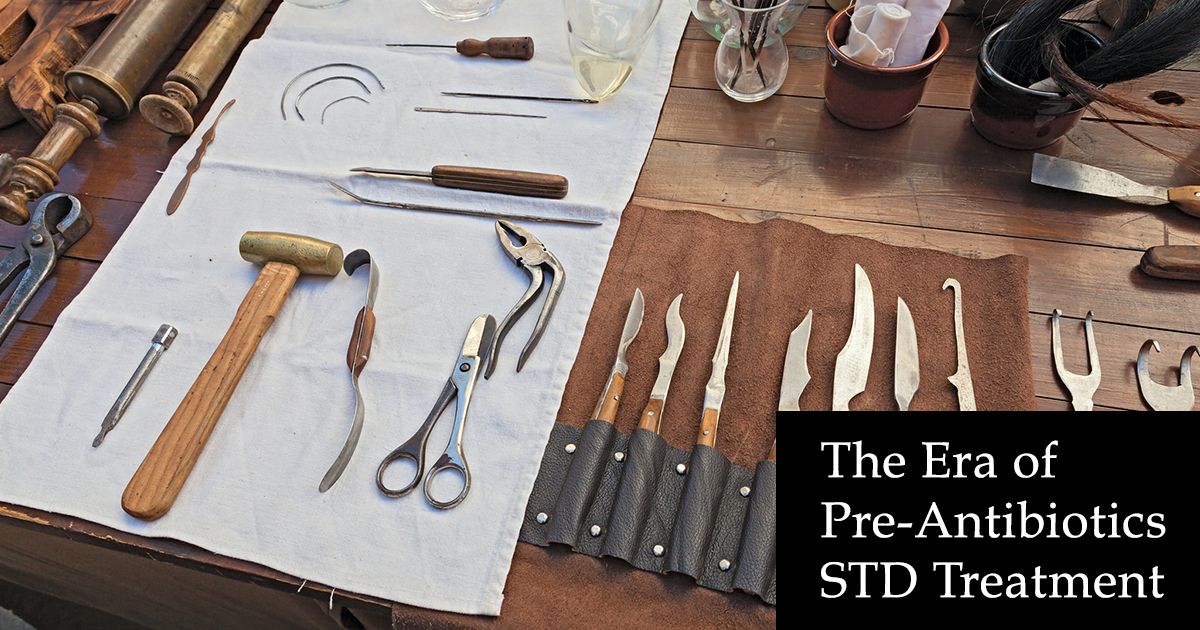
STD treatment in the pre-antibiotic era

We live in troubled times, medically speaking. The antibiotics that seemed so close to conquering the world of bacterial disease are failing. There is a very real possibility of a gonococcal superbug, resistant to all forms of antibiotic. As early as 2012 Dr. Gail Bolan, director of the Division of STD Prevention at the CDC advised that “Untreatable gonorrhea is a real possibility” and this is not the only STD that is powering its way through genetic mutation to apparent invincibility.

The post-antibiotic age is fraught with uncertainty, but things could be worse. We have a scientific powerhouse to fall back on, with a solution more likely than not. But what was it like to live in pre-antibiotic times?

STD-treatment-in-the-pre-antibiotic-era-greek

Gonorrhea, herpes and genital warts are mentioned in historical documents going back to Ancient Egypt and Ancient Greece. There is a plethora of social and medical solutions to the sexually transmitted poxes that followed armies across the ancient world.

Have cankers or warts on the genitals? No problem for a Greek surgeon. The obvious solution is to cut them off. Anaesthetic? Not really but here is some hemlock that might dull the pain, possibly permanently.

Herpes on the rise in your city? A ban on kissing is an easy, if unpopular, solution. Even less popular I suspect was the cure for  lesions. Application of a red-hot poker will solve that problem.

The clap cutting a swath through the population? The English have the solution. Yes, youth clubs for the peasantry. Get the young men out rowing, bell ringing, playing at archery or learning to swim is sure to “distract them from moral carelessness.” Should you be unfortunate enough to contract it, a urinary blockage is easily cleared by insertion of a metal catheter into the urethra.

STD-treatment-in-the-pre-antibiotic-era-mercury

Syphilis introduced by sailors from the new world was so feared that the French King banished suffers from the city. King Henry VIII of England ordered an immediate, and as it turned out temporary, closure of brothels in London and a ban on mixed-sex bathing. But a cure was on its way, fresh from the Islamic scholars. The miraculous cure of mercury injected into the infected urethra or vagina. Sure to prevent the progression to tertiary syphilis with its accompanying lesions and madness (side effects may cause lesions and madness). If mercury failed, why not add lead to the heavy metal treatment with a lead infusion in almond oil?

STD-treatment-in-the-pre-antibiotic-era-blood-letting

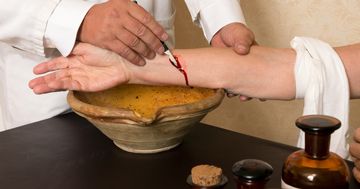
If the problem persists, bloodletting was commonly used as well as arsenic, more mercury (ingested this time), and when all else fails, a prayer to the god(s) will most definitely work (most effective when combined with a generous donation to your local monastery).

Can’t perform in the bedroom? No Viagra as yet, but why not try the new craze on the block. Yes, it is the early 1800s and a new age has dawned. Lightning has been tamed and for a one-time special offer you can purchase an electrifying belt, sure to give you a jolt in just the right place. Warning: electrification may result in burns or death (no refund).

Mercury injection was a common treatment for syphilis up until the late 1800s despite its hideous side effects, in the absence of a better treatment. It was gradually replaced by silver nitrate, potassium iodine and into the 1900s with the sulphonamides and penicillin in 1943.

So not matter the outcome of any test. No matter the tedious instructions to take with food, or before eating, after eating, at night, one 5th of a tablet five times a day, the threat of an intramuscular injection or even a suppository. Give a small prayer of thanks that you will never see the words injection of mercury solution or application of heated iron on the doctor’s prescription pad.

Main reference:

SEXUALLY TRANSMITTED DISEASES: AN HISTORICAL RETROSPECT by Brian Plumb


In The News – HIV

Cancer drug that can potentially help with HIV cure

One of the more successful HIV treatment therapies being widely used is the HAART (Highly active antiretroviral therapy). This therapy works by suppressing the HIV viruses with drugs until they become almost undetectable, giving patients a chance to live virtually symptom-free for as long as they continue medication. However, if the patient stops treatment, HIV reservoirs which are undetected by the immune system will once again get a chance to kick-start the virus.

Another therapy that is being researched heavily right now is the “Kick and Kill” approach. This approach attempts to make the HIV virus more visible to the immune system by “kicking” them out of their dormant state and then kill it.

A research team from the UC Davis School of Medicine has discovered that PEP005, an ingredient used in cancer treatment, is very effective in re-activating latent HIV found in cells obtained from 13 subjects who are HIV positive.

PEP005 has not been tested in actual HIV-positive subjects and more time will be needed to see if it is safe for use as part of the “Kick and Kill” therapy.

>> See here for the journal

U.S. STI Clinics getting higher uptake of HIV Prevention Starter Kits

A recent research shows that more and more patients who are worried about potentially carrying an HIV virus are becoming open to the not-so-well-known HIV PEP starter kit(or postexposure prophylaxis in medical terms).

The PEP is very time reliant – meaning the sooner you have it, the more chances you have of getting rid of your HIV. However, the PEP is very seldom offered in hospitals and medical institutions free of charge for those who do not have insurance, and this was the reason why doctors regard the phenomenon as ‘filling an unmet need’.

In spite of this, the PEP was heavily accepted by the patients who were offered the treatment – 95% to be precise, showing that it has a lot of potential for further development.

>> Read the original report here

Hospitals in Brazil now provide early HIV treatment free of charge

Many medical studies claim that early detection and treatment of the HIV virus can result in a complete elimination of the disease from the infected patient’s body, up to 93% of the time. Based on this fact, the Brazilian government decided to give hospitals in the whole country the opportunity to provide its patients with a free and effective treatment that could get rid of their infection.

The treatment, post-exposure prophylaxis (or PEP), contains several different medications that require the infected to take it for up to a maximum of 28 days in order for it to be effective.

It is generally recommended to visit a center that offers PEP within 72 hours of contact, although it would be best to have PEP administered from the first few hours from the initial exposure.

PEP, although coming into fruition since 2011, has only been made available now for the Brazilian health centers, and is constantly being developed to be present in every hospital all around the world.

>> Read the original report here

Creepy Crawly Crabs

There was a time, when lice were so much a part of daily life that a good infestation was considered a sign of good health. Bill Bryon in his masterpiece of domestic history “At Home” tells of people forming this idea due to body lice fleeing the heat of a feverish body and poets imagining a lecherous louse crawling on the body of a beautiful woman and reaching places they could not. In modern times, the increase in hygiene has removed lice as a daily infestation. Most of us will have a passing experience with head lice as a child (or a parent) but few with think of checking for pubic lice.

Lice are small insects, the pubic lice are a different genus and smaller size than the body or hair lice we are more familiar with. There are three stages in the life cycle of a louse, nits (eggs) which show as white dots on the hair, three stages of nymphs and the adult louse or crab.

Pubic lice are human specific and cannot live more than 24hrs off the body. The nymph and louse both feed solely on human blood and cause bites that vary from 0.2 to 3 mm initially red turning to blue spots. The bites and droppings of the louse can cause itching and irritation that tends to be worse at night.

creepy-crawly-crabs-eyelashes

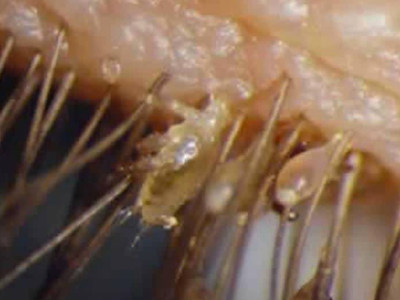
Pubic lice show a preference for secondary sexual hair. They will not live on head hair or other body hair, but, as well as pubic hair, they will happily dwell in armpit hair, coarser leg hair and, disturbingly, moustaches or beards and, in very rare cases, the eyelashes.

Infestations are most commonly seen in teenagers and are spread mostly via sexual contact. They can be spread by sharing clothing or sheets but this is not a common form of transmission due to their short life span once off the body. They do not adhere to toilet seats and cannot be passed by use of public facilities. It is thought that about 2% of the global population is infected, though many scholars believe that the popularity of the Brazilian wax may be causing a reduction in lice populations.

Unlike body lice, pubic lice have not been known to carry dangerous bacteria in their stomachs. Long-term infection can result chronic dermatitis and scratching can cause a secondary infection through broken skin.

Treatment involves washing with special body wash and using a nit comb to remove any remaining nits. Clothing and bedding should be treated with a hot wash of clothing. Family members and sexual partners should be advised to get themselves checked. Infection with lice often occurs in conjunction with other STD infection so it is a good idea to get tested for the most common STDs if crabs are seen.

Efforts to Curb the Scourge of HIV

Recent advancements in technology and medical practices are helping curb the HIV pandemic that has haunted the globe for decades.

HIV can never be completely eliminated from the body and this deadly virus infects 2 million people annually. Therefore, efforts are being made worldwide to: help those affected by the virus; help prevent the virus from spreading further; and seek a cure.

The goal set by the United Nations (UN) and its partners such as World Health Organization (WHO) is to end the Aids epidemic by 2030. The milestones for the next five years are: to ensure that 90 percent of people who are HIV-positive are aware of their status; to make treatment for HIV available; and monitor that the 90 percent receiving treatment have suppressed viral loads.

Cracking the HIV Code

HIV has kept scientists on their toes to find a cure. This clever and deadly virus has unique capabilities to alter itself making it a challenge to produce effective drugs. It is essential to look into the proteins involved in the virus’s lifecycle in order to develop appropriate drugs. The Capsid protein resides in the inner shell of HIV. It is this protein that forms the entire structure of the virus.

The virus’s genetic information is hidden within the Capsid shell which helps ensure the virus successfully infects the healthy cells. Research is still underway to gain a better understanding of how this protein shields the viral genome. The key to developing an antidote for the virus is to crack the code of the Capsid shell.

A team of scientists lead by Sarafianos at the University of Missouri, School of Medicine, are doing just that. In fact, they have successfully captured a fairly complete model of the Capsid protein. They used a process known as X-ray Crystallography to decipher the protein’s structure. The key to HIV’s adaptability is assumed, to be the numerous water molecules that surrounded the protein. The National Institute of Health has provided a five-year grant worth U.S. $2.28 million to fund the research geared towards finding an effective antiviral that will target the Capsid protein.

Preventing Mother-to-Child Transmission

Would-be parents are encouraged to test for HIV, Syphilis and other Sexually Transmitted Diseases (STDs). In case either of the partners tests positive for the aforementioned diseases, the mother is given antiretroviral drugs to help prevent the baby from being infected.

Unless care is taken during childbirth, there is a 15-45 percent chance of the baby contracting the virus from its mother. Caesarean births are a relatively safer option as opposed to natural childbirth. This is because the child does not come into contact with the mother’s blood or genital fluids. However, women with a low viral load and on suitable antiretroviral treatment may be allowed to undergo natural childbirth.

Breast milk is also a known cause of HIV transmission between mother and child. The HIV-infected cells multiply in breast milk and enter into the child’s body through mucous membranes. The mother’s breast milk can be substituted for formula milk to prevent the transmission of HIV from mother to child.

Cuba has been declared by the World Health Organization (WHO) as the first country to eliminate mother to child transmission of HIV because in 2013 only 2 Cuban babies received the infection from their mothers. The aforementioned steps have been implemented by Cuba, nationwide. Cuba’s success is proof of the possibility to end mother-to-child transmission.

Testing Made Simple

Cambodia is pioneering a community model that promotes fast HIV testing techniques and maximises community outreach.

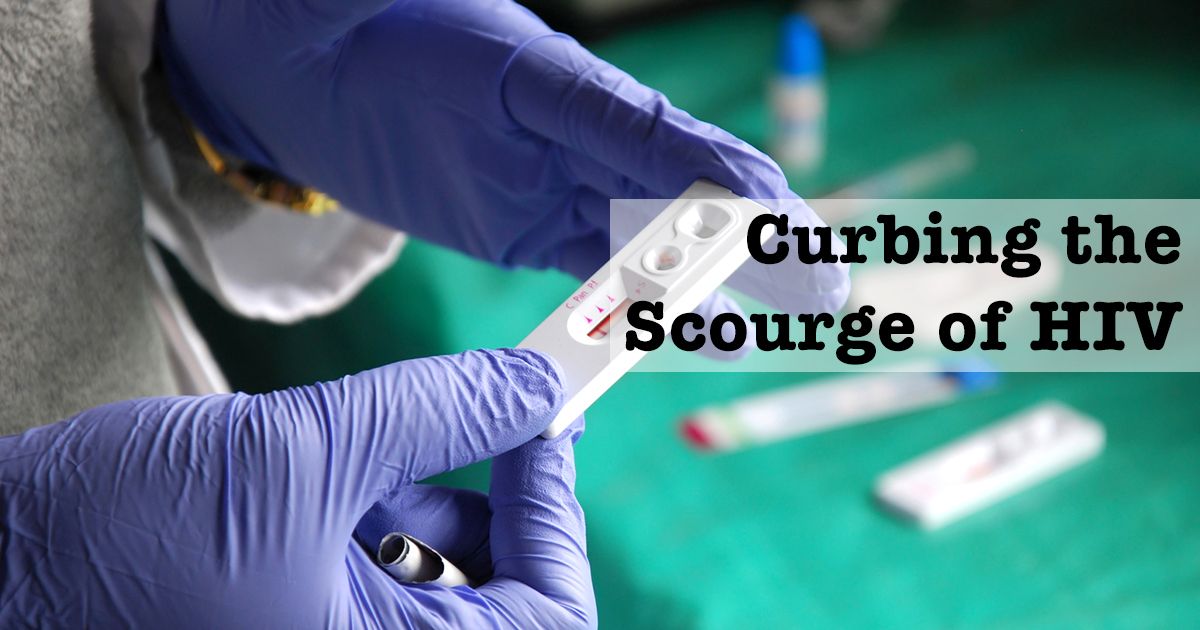
In 2013 a programme named Smartgirl was launched in Cambodia. The key was to encourage people engaged in the adult entertainment industry to be tested for HIV. Veterans from the adult industry are recruited as counsellors who promote testing. As opposed to the cumbersome traditional HIV test involving drawing blood samples and then testing them in a laboratory environment, a quick finger prick test is being used. This community model proactively reaches out to more people ensuring a greater number of people are tested.

The future of our global fight against the deadly curse of HIV is not at all bleak. The world can be HIV free.