HIV/SIV PEP in Non Human Primates: a Meta-analysis

Animals have long been the most faithful friends of humans but what is more interesting to know is that they have been a model for scientific experimentation which helps humans to make better medication and cure. A recently published meta-analysis report by the team of Irvine C. in the journal “Clinical Infectious Diseases”, the authors have admirably gathered the data published since May 2004 on the efficacy of HIV Post-exposure Prophylaxis (PEP).

The efficacy of PEP in humans was first published in 1997 in a case report. As there are ethical limitations in human subjects, animal models play a vital role in the clinical trials and research. Therefore, there are more studies on animal models and this analysis was done one data published on nonhuman primates.

The meta-analysis was done on more than 2000 papers published in medical web portals like Pubmed, Web of Science and Embase on nonhuman primates. Out of the 2517 papers and abstracts searched and found on HIV PEP, 2238 papers were excluded. 247 were duplicates which were also excluded. Out of the 40 remaining full articles, only 25 were finally selected because only these 25 papers had at least one animal which converted from being uninfected to seropositive and was given at least one antiretroviral medication. To have a more accurate analysis, the data was extracted by two different authors of the paper, simultaneously. The selection criteria were:

  • publication which were from peer reviewed journals
  • had controls
  • randomization to treatment
  • sample size was calculated
  • statement of compliance and statement related to conflicts of interests.

This meta-analysis was conducted according to protocol following the requirements set by the Preferred Reporting Items for Systemic Reviews and Meta-analysis (PRISMA).

Most of the animals which were studied in these reports were rhesus macaques or cynomolgus monkeys. Out of the total 408 primates studied, 180 were the infected animals versus 103 controls. The simian immunodeficiency virus (SIV) or Human Immunodeficiency virus (HIV) were administered to animals primarily via an intravenous route while the PEP drug/drugs were given subcutaneously. Interestingly, the animals which were on PEP were at an 89% lower risk of becoming seropositive.

The report also shows that the earlier the PEP is started the lower the rate of seroconversion. While there was no significant difference in the type of the antiretroviral medication given, there was a lower percentage of the seroconversion in the animals treated with tenofovir when compared with other drugs.

Another thing of interest with the figures was that older studies showed less efficacy of the drugs while more recent studies favored PEP.

After the authors collected and reviewed the data from previously reported papers, they emphasized that there is a need for better publications and research on the efficacy of PEP in nonhuman primates.

This meta-analysis, as a final point, emphasizes on the efficaciousness of earlier start in the application of antiretroviral PEP medications after exposure to HIV.

Source:

Irvine C et al. Efficacy of HIV Postexposure Prophylaxis: Systemic Review and Meta-analysis of Nonhuman Primate Studies. Clinical Infectious Diseases. 2015

HIV prevention: The Emerging Prevention Regimen from Post-exposure to Pre-exposure Prophylaxis

Like vaccinations for life-threatening diseases such as Hepatitis B and Tetanus, the HIV virus could be tackled more efficiently with the presence of a vaccination for this disease. Researchers have been successful in developing a pre-exposure prophylaxis (PrEP) for HIV which is now a leading development towards finally creating a vaccine. Pre-exposure prophylaxis is a combined treatment for the HIV retrovirus that is efficient in protecting people exposed to HIV from developing an infection. This information was very recently reported in Clinical Infectious Diseases, a scientific journal dedicated to infectious diseases.

HIV post-exposure prophylaxis (PEP) which has been in use for a long time, is given to individuals within 72 hours of an exposure to HIV. PEP is a 28-day medication that is a combination of 2-3 antiretroviral drugs. Studies have shown that patients receiving PEP are still at a higher risk of acquiring HIV. People who have a continuous exposure to HIV like injection drug users and people having multiple sexual partners are recommended to use PrEP. PrEP users are reported to have a lower risk of acquiring HIV when compared to PEP. It is, however, highly recommended to avoid the risk of exposure altogether.

The regimen for the PrEP is tenofovir-emtricitabine. This is the only combination approved by the FDA, USA, for PrEP at the moment. It is given either daily or intermittently for a longer period of time, unlike PEP.

People who have already been administering PEP and have a seronegative profile for HIV retrovirus are candidates for PrEP. According to CDC PEP guidelines, a person who has been exposed and administered with PEP can only be considered infection-free after a six-month HIV testing protocol. These candidates who have had PEP and are seronegative will benefit best with PrEP. People who continue to have high-risk exposure to HIV should be started with PrEP earlier than the 4-6 months profile for HIV.

More recently, the US Public Health Service guidelines suggest that if the HIV profile is negative in the preceding 4 weeks and the person is not having any signs and symptoms for HIV he/she can be started on PrEP.

One interesting question addressed by the report is who will be prescribing PrEP to patients. As there is no consensus to date for the specific position which should prescribe PrEP, it is currently prescribed by emergency care departments, the primary physicians and of course by HIV specialists treating the disease.

Although the side effects of PrEP and PEP are not very debilitating, PrEP should be administered with care in patients with bone diseases and renal insufficiency. The use of the tenofovir-emtricitabine combination is known to cause osteopenia, a condition in which bone mass decreases. Patients infected with Hepatitis B should be monitored closely for fulminant acute hepatic failure due to PrEP.

With PrEP, a 3-6 month screening for STI is recommended, especially for people living a high-risk sexual lifestyle.

Source:

Jain et al. The Transition From Postexposure Prophylaxis to Preexposure Prophylaxis: As Emerging Opportunity for Biobehavioural HIV Prevention. CID, 2015.

Syphilis: Disease of the New World.

Syphilis is forever linked in my mind with Elizabethan times. It may even be responsible for them, as Henry the Eight was allegedly infected. Syphilis may have been responsible for the high incidence of miscarriage seen in his first wife, leading to his divorce, the creation of the Church of England and his infamous marriage to Anne Boylan. As the new world opened up to explorers and spread the diseases of medieval Europe across two continents, one disease moved the other way.

Making A Comeback

Treponema pallidum, a spiral shaped bacteria that under the microscope almost looks cute as it corkscrews its way across the slide. The symptoms, however, are terrible. In the year 2000 it looked as if it was on its way out, reaching the lowest incidence in the USA since reporting began in 1941. Since then however the disease has made a comeback, doubling in incidence between 2005 and 2013. Control has been less successful in the developing world with an estimated 12 million new cases in 1999 and notable recent outbreaks in Russian and China.

Symptoms

Syphilis is a disease for the long term and has three distinct stages. The first stage (primary syphilis) consists of highly infectious skin lesions. These commonly occur on or around the genitals or mouth but can appear on any part of the body. The sores usually last about 3 weeks but can be present for as long as 90 days. They are painless, sometimes go unnoticed by the patient and will resolve even without treatment.

If untreated, however, secondary syphilis may occur one to six months later with a rash around the groin and commonly on the palm of the hand. The rash is often described as a rosy “copper penny” rash and is easily identifiable as syphilis, but can occur as a nondescript rash that may be misdiagnosed. Other symptoms include possible warts around the genitals, sores in the mouth, fever and weight loss. Like primary syphilis, secondary syphilis will appear to resolve without treatment within a few months.

The bacteria can then lay dormant in your system for years, a period known as latent syphilis without causing any symptoms.

The Final Stages

Tertiary syphilis is the reason that Treponema pallidum should be feared. Following the latent period, the bacteria can then re-emerge to cause systemic disease, infecting essential organs such as the heart, nervous system and brain. Symptoms can include heart disease, blindness, deafness, arthritis and brain damage leading to dementia. If untreated the disease will eventually prove fatal.

Treatment

Treatment with penicillin once proved exceptionally effective and resulted in almost wiping out the disease. In most cases the bacteria are still highly susceptible to a single dose of intramuscular Penicillin, but there has been a rise in macrolide (erythromycin), tetracycline and rifampicin resistance in Treponema pallidum making treatment of penicillin-sensitive people difficult. Even with treatment if the syphilis bacteria have invaded the cerebral spinal area (brain and spinal column) many antibiotics struggle to reach this area and may not reach levels fatal to the bacteria. Relapse can occur and patients should be monitored following treatment.

What To Do

People diagnosed with syphilis will need to notify sexual partners. Condoms provide limited protection against the spread of syphilis as sores are often not covered so anyone with Syphilis must abstain from sex while sores are present to prevent infecting others. Incidence in of syphilis in Singapore is low compared to most countries but care should always be taken. Remember the best protection against any STD is abstinence or to be in a monogamous relationship where both partners are known to be STD free.

Murder by virus: The deliberate spread of HIV

“We have received feedback from those with close links to HIV/AIDS patients, that some HIV positive persons deliberately spread the disease as a form of revenge on society.” Dr Balaji Sadasivan, Senior Minister of State for Information, Communications and The Arts, and Health, 4th Singapore AIDS conference 2004.


You would think that being diagnosed with a horrible disease that your instinct would be to protect other people from the same fate. So often you see people who are affected with a devastating disease or who have lost a family member to that disease, supporting campaigns to find a cure, or educate others to avoid it. But with AIDS we see a nastier side to humanity, those who feel cheated by life, used by those who infected them. Who either ignore the risk to others or continue with their promiscuous lifestyle uncaring of who they infect, or worse, who deliberately infect others in order to get their own back, or share their pain.

If cancer was infectious would we see the same pattern, cancer patients infecting others to share the misery or is it to do with the social stigma? If AIDS was not linked to prostitution and homosexuality would we see the same reaction? Is it a person already stigmatised for their lifestyle lashing out at the world for this new indignity?

Then there is a new trend in the USA known as bug seeking, where young homeless men are intentionally contracting the disease in order to receive assistance from the state.

Murder-by-virus-the-deliberate-spread-of-hiv-Gaëtan-Dugas

Gaétan Dugas, a Canadian flight attendant is rightly or wrongly credited with spreading the HIV virus through the gay community of the USA, at a rate estimated at 250 partners a year and linking the AIDS epidemic in the USA forever with homosexuality. Sources vary as to whether Gaétan spread the virus knowingly or not.

Murder-by-virus-the-deliberate-spread-of-hiv-thailand

Hans-Otto Schiemann, a German man living in Thailand, allegedly offered young women large sums of money to sleep with him despite being HIV positive. According to The Age (October 13, 2004) between 400-500 girls were at risk of infection from his actions from when he was first diagnosed in 2001 to being jailed in 2004.

David Mannum in the USA was jailed in 2013 for deliberately infecting up to 300 people. According to CBS New (September 5, 2013) he did not disclose his HIV status due to fear of rejection.

Murder-by-virus-the-deliberate-spread-of-hiv-nadja-benaissa

It is not just men, German pop star Nadja Benaissa was convicted in 2010 of infecting her partner with HIV. English hairdresser Sarah Jane Porter was jailed in 2006 for having unprotected sex with multiple partners following her HIV diagnosis. While it is harder for men to contract the virus than women during sexual intercourse it is still a high risk to take.

Few cases however get darker than that reported in the New York Times (January 9, 1999) of Brian Stewart, who in 1992 infected his 11 month old son with contaminated blood when the boy was recovering in hospital following an asthma attack. The reason behind the attack was that he did not want to pay child support. In 1999 he was sentenced to life in prison.

Rumours abound of men and women who recklessly and deliberately spread the HIV to multiple partners, but the cases of HIV sociopaths are rare. More often they are terrified and unable to face the truth about their condition. They do not tell others for fear of being rejected. Unfortunately, it is not a problem that goes away if ignored and many people can be hurt from non-disclosure.

In some countries, it is against the law to transmit the disease to another once you know you are HIV positive. Other countries use existing laws to prosecute those who deliberately infect others. In Singapore, the law is very clear. “It is an offence for persons who know that they are infected with HIV not to inform their sex partners of their HIV status before sexual intercourse,” under the Infectious Disease Act. There have been no cases of large-scale deliberate infections with HIV in Singapore. The first conviction under the act was in 2008 and since then there have been two more. None passed the disease to more than two people.

Most people are honest and will do the right things. Those who are out to deliberately infect people are looking for the act themselves. Beware one night stands. Get to know the person before you get into bed and ask the hard questions. Not asking can be much harder in the end.

If you are HIV positive or suspect you may be, please consult your healthcare professional. There is support available. If you suspect you have been deliberately infected, consult your doctor and mention that it may have been deliberate, they will be able to give you support in approaching law enforcement agencies.

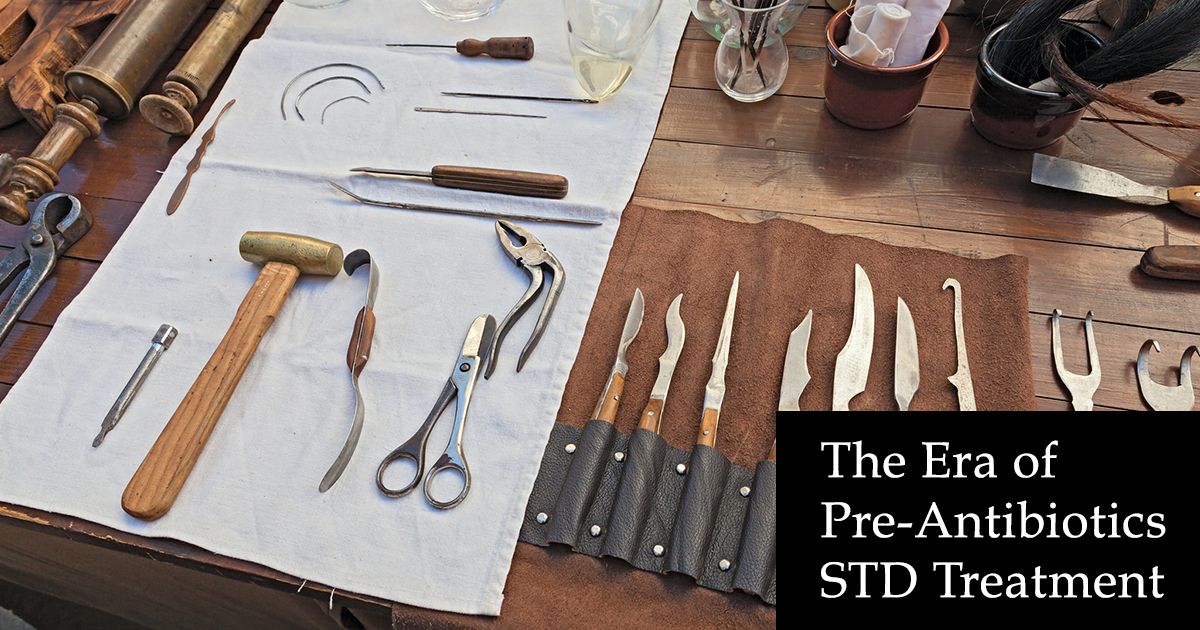
STD treatment in the pre-antibiotic era

We live in troubled times, medically speaking. The antibiotics that seemed so close to conquering the world of bacterial disease are failing. There is a very real possibility of a gonococcal superbug, resistant to all forms of antibiotic. As early as 2012 Dr. Gail Bolan, director of the Division of STD Prevention at the CDC advised that “Untreatable gonorrhea is a real possibility” and this is not the only STD that is powering its way through genetic mutation to apparent invincibility.

The post-antibiotic age is fraught with uncertainty, but things could be worse. We have a scientific powerhouse to fall back on, with a solution more likely than not. But what was it like to live in pre-antibiotic times?

STD-treatment-in-the-pre-antibiotic-era-greek

Gonorrhea, herpes and genital warts are mentioned in historical documents going back to Ancient Egypt and Ancient Greece. There is a plethora of social and medical solutions to the sexually transmitted poxes that followed armies across the ancient world.

Have cankers or warts on the genitals? No problem for a Greek surgeon. The obvious solution is to cut them off. Anaesthetic? Not really but here is some hemlock that might dull the pain, possibly permanently.

Herpes on the rise in your city? A ban on kissing is an easy, if unpopular, solution. Even less popular I suspect was the cure for  lesions. Application of a red-hot poker will solve that problem.

The clap cutting a swath through the population? The English have the solution. Yes, youth clubs for the peasantry. Get the young men out rowing, bell ringing, playing at archery or learning to swim is sure to “distract them from moral carelessness.” Should you be unfortunate enough to contract it, a urinary blockage is easily cleared by insertion of a metal catheter into the urethra.

STD-treatment-in-the-pre-antibiotic-era-mercury

Syphilis introduced by sailors from the new world was so feared that the French King banished suffers from the city. King Henry VIII of England ordered an immediate, and as it turned out temporary, closure of brothels in London and a ban on mixed-sex bathing. But a cure was on its way, fresh from the Islamic scholars. The miraculous cure of mercury injected into the infected urethra or vagina. Sure to prevent the progression to tertiary syphilis with its accompanying lesions and madness (side effects may cause lesions and madness). If mercury failed, why not add lead to the heavy metal treatment with a lead infusion in almond oil?

STD-treatment-in-the-pre-antibiotic-era-blood-letting

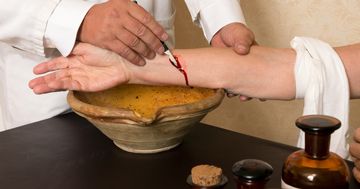
If the problem persists, bloodletting was commonly used as well as arsenic, more mercury (ingested this time), and when all else fails, a prayer to the god(s) will most definitely work (most effective when combined with a generous donation to your local monastery).

Can’t perform in the bedroom? No Viagra as yet, but why not try the new craze on the block. Yes, it is the early 1800s and a new age has dawned. Lightning has been tamed and for a one-time special offer you can purchase an electrifying belt, sure to give you a jolt in just the right place. Warning: electrification may result in burns or death (no refund).

Mercury injection was a common treatment for syphilis up until the late 1800s despite its hideous side effects, in the absence of a better treatment. It was gradually replaced by silver nitrate, potassium iodine and into the 1900s with the sulphonamides and penicillin in 1943.

So not matter the outcome of any test. No matter the tedious instructions to take with food, or before eating, after eating, at night, one 5th of a tablet five times a day, the threat of an intramuscular injection or even a suppository. Give a small prayer of thanks that you will never see the words injection of mercury solution or application of heated iron on the doctor’s prescription pad.

Main reference:

SEXUALLY TRANSMITTED DISEASES: AN HISTORICAL RETROSPECT by Brian Plumb


Creepy Crawly Crabs

There was a time, when lice were so much a part of daily life that a good infestation was considered a sign of good health. Bill Bryon in his masterpiece of domestic history “At Home” tells of people forming this idea due to body lice fleeing the heat of a feverish body and poets imagining a lecherous louse crawling on the body of a beautiful woman and reaching places they could not. In modern times, the increase in hygiene has removed lice as a daily infestation. Most of us will have a passing experience with head lice as a child (or a parent) but few with think of checking for pubic lice.

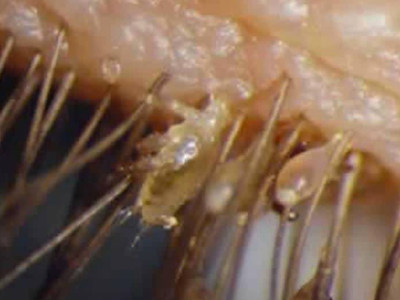
Lice are small insects, the pubic lice are a different genus and smaller size than the body or hair lice we are more familiar with. There are three stages in the life cycle of a louse, nits (eggs) which show as white dots on the hair, three stages of nymphs and the adult louse or crab.

Pubic lice are human specific and cannot live more than 24hrs off the body. The nymph and louse both feed solely on human blood and cause bites that vary from 0.2 to 3 mm initially red turning to blue spots. The bites and droppings of the louse can cause itching and irritation that tends to be worse at night.

creepy-crawly-crabs-eyelashes

Pubic lice show a preference for secondary sexual hair. They will not live on head hair or other body hair, but, as well as pubic hair, they will happily dwell in armpit hair, coarser leg hair and, disturbingly, moustaches or beards and, in very rare cases, the eyelashes.

Infestations are most commonly seen in teenagers and are spread mostly via sexual contact. They can be spread by sharing clothing or sheets but this is not a common form of transmission due to their short life span once off the body. They do not adhere to toilet seats and cannot be passed by use of public facilities. It is thought that about 2% of the global population is infected, though many scholars believe that the popularity of the Brazilian wax may be causing a reduction in lice populations.

Unlike body lice, pubic lice have not been known to carry dangerous bacteria in their stomachs. Long-term infection can result chronic dermatitis and scratching can cause a secondary infection through broken skin.

Treatment involves washing with special body wash and using a nit comb to remove any remaining nits. Clothing and bedding should be treated with a hot wash of clothing. Family members and sexual partners should be advised to get themselves checked. Infection with lice often occurs in conjunction with other STD infection so it is a good idea to get tested for the most common STDs if crabs are seen.

HIV PEP – A Ray of Hope

The Human Immunodeficiency Virus known as HIV attacks a person’s immune system making them susceptible to infections like tuberculosis, opportunistic infections and even tumours. These are diseases that would normally not affect people with a strong immune system.

Although studies show that there is no cure for HIV, there are drugs available that can slow down the course of the disease and may help extend the life expectancy of a person infected by it.

The HIV pandemic is widespread in regions like Asia and Africa. The last five years have seen a 277% rise in HIV cases in the Philippines alone. Over 400 HIV positive cases were reported in 2007, in the Philippines. This figure rose to a staggering 2,400 cases in the year 2011. Representatives from the United Nation’s Program on HIV-AIDS in Manila, paint a gloomy picture stating that the Philippines is unlikely to meet the sixth Millennium Development Goal i.e. the goal set for reduction of HIV/AIDS.

In Africa, war-ravaged Uganda is also being crushed by the weight of HIV. Northern Uganda reportedly has the highest prevalence of HIV nationwide. A ballpark figure of 100,000 children live with HIV/AIDS in Uganda and at least half of these children reside in the Gulu district of Northern Uganda. Being the economic capital of Northern Uganda, Gulu has its own portfolio of challenges including poverty, child abuse and other health concerns.

Efforts are being made by organizations such as Opportunities Industrialization Centers (OIC) International’s Health, Nutrition & HIV/AIDS programs which educate communities regarding health issues and also provide palliative care to ensure that individuals and communities are equipped with knowledge to lead healthy lives.

Advancements in medical science have yielded two types of drugs that help counter HIV namely Pre-Exposure Prophylaxis (PrEP) and Post Exposure Prophylaxis (PEP). Truvada is a well-known antiretroviral drug. Truvada is a combination therapy because it has 2 medicines in one pill (emtricitabine and tenofovir disoproxil fumarate). Truvada is always used with other anti-HIV medicines to treat HIV-1 infection because Truvada alone is not a complete treatment. Truvada is a Pre-Exposure Prophylaxis (PrEP) drug which must be taken daily to block the transmission of HIV.

Post Exposure Prophylaxis (PEP), on the other hand is a line of HIV medication normally taken within the first 72 hours after a person is possibly exposed to the virus. PEP drugs help prevent the virus from spreading within the body. Health care workers, who have been exposed to the virus while taking care of an HIV+ patient and those that have engaged in sexual intercourse with a person with HIV need to be treated with PEP.

While medical science progresses to counter HIV anti-social elements are in play to further spread the virus and create new challenges for those working to help obliterate the deadly curse. A recent study in the US has found that HIV positive patients, faced with dire economic circumstances, are selling their HIV medications to HIV-negative people, who are using them as a preventative drug against contracting the virus. The motivating factors behind the rise of this new black market and its implications on the current status of HIV are discussed below.

Dr. Steven Kurtz from the Center for Applied Research on Substance Use and Health Disparities in Coral Gables, Florida, recently presented his research at the Conference of the Association for the Social Sciences and Humanities (ASSHH) on HIV in Stellenbosch, South Africa. ASSHH is a well reputed international membership organization geared towards promoting and supporting critically informed and theoretically engaged social science and humanities research on HIV/AIDS.

147 gay men were recruited by Doctor Steven Kurtz. These people were regular drug abusers resorting to drugs like cocaine, crack or heroin. National AIDS Manual AIDSMAP (NAM AIDSMAP) a London-based non-profit geared towards disseminating information pertaining to AIDS. NAM AIDSMAP reported that in order to gain a better understanding of the factors that caused people to trade/sell antiretroviral drugs, Kurtz deliberately over-recruited individuals that were engaged in such activities.

The study conducted by Kurtz found that people faced with dire financial situations were prime perpetrators of the aforementioned activities.

The study also found that the average income of men who sold their antiretroviral drugs, was likely to be under $1000 per month. These men were more likely to have traded sex for money or drugs and were dependent on drugs as well.

Interestingly, the study proved that there was no correlation between the trade of antiretroviral medication and the age, race or level of education of the perpetrators.

Furthermore, it was found that men who had sold their HIV treatment also had low adherence to the antiretroviral treatment. (Adherence in medical terms refers to how easily a patient can take the drugs without medical supervision). Lower adherence means most patients fail to continue/complete a drug regimen.

The study brought to light multiple factors that motivated the trade/sale of HIV medications. It reported that a high proportion of men (74%) sold their medication to purchase recreational drugs or alcohol. While 23% of men wanted to cover their living expenses. A few men had leftover medication or wanted to help someone in need.

Kurtz’s study also brought to light an alarming finding; there was a prevailing misconception amongst the men about the purpose of Pre-Exposure Prophylaxis (PrEP). They confused PrEP with Post Exposure Prophylaxis (PEP). This general misconception regarding has serious implications regarding the prevalence of HIV and its treatment. There is a dire need to carry out a mass public awareness campaign to inform people about the difference between PrEP and PEP.

Despite the challenges, PrEP and PEP are proving to be life saving and have helped counter the negative effects of the deadly virus. Uganda experienced a recent case where PEP medications have actually helped save the life of a 6-year-old boy. This boy was exposed to the disease after being sexually abused by a member of his community. He is in good health but is continuously monitored by medical professionals.

PrEP and PEP have made it possible to stem the tide of rising HIV infections across the globe. With improved education and dissemination of these drugs, the fight against the scourge of HIV is a battle that can be won.

Pre-marital STD screening; why it is a good idea for everyone.

You hear the words, “wish I got a prenup!” far more often than the words “we are going to get a prenup”. People are encouraged to look at their financial health before committing to a marriage. You don’t want to hook up only to find you have acquired a string of credit card debt along with a marriage certificate.

You don’t need one obviously. You are engaged to the most beautiful, wonderful person in the world and everything is going to be great. The rings are ordered, the dress is paid for, the honeymoon is booked, the wedding venue perfect, the STD tests are…

Hang on…STD tests? Way to break the mood right? I mean you are planning the start of your new life together and the last thing you want to do is to smash the stain glassed window that is tinting everything with a lovely rosy hue.

But here are some good reasons that you and your partner should consider this investment in your medical soundness as important as working out your financial soundness before marriage. It might be a good idea to both get tested if:

1. One or both of you have had other partners previously.
Both of you have the possibility of being infected with an STD even if you can’t see anything. It is not a matter of not trusting the other person to tell you. They may not know. Many sexually transmitted diseases will only show up some of the time, or not at all, but still be infectious. A simple trip to the doctor can put your mind at ease for both parties and let you start off with no inhibitions about being intimate with each other. If there is a problem then it can be treated well before it turns into a big problem. If approached properly even a positive result need not impact on the happy day.

2. You have jumped the gun a bit and everything has been fine.
Well actually things got a bit heated after the moonlight walk and you didn’t wait for the wedding. Not to worry, it happens every day. There haven’t been any problems so no need to waste money on an expensive test. Remember that asymptomatic thing. Just because you can’t see it, doesn’t mean it isn’t there. In fact, it is the ones you can’t see that do the most damage as they don’t get treated. Some STDs can cause infertility, a few can kill you, and it is those ones that tend to be asymptomatic for a period that do so. You don’t want to find out ten years down the track you can’t have kids or have AIDS or cancer because you missed a simple screening.

3. You have saved yourself for marriage so neither of you are infected.
Probably true. In 99.9% of cases, you will be fine and that is what any tests will show. But these diseases didn’t start out as STDs. They have evolved into them. HIV and Hepatitis can be transmitted by blood. N. gonorrhoeae started out as a harmless bacteria of the throat where most Neisseria spp. still inhabit today before it migrated south to warmer climes. It still does cause throat and eye infections. Chlamydia is rife amongst koalas (yes you did read that right) and can be passed on to humans as a respiratory infection through contact. You beau does not need to be unfaithful to be infected, just to have cuddled the wrong marsupial. Even if there have been no trips to Australia or a petting zoo, there are other ways that these diseases can be contracted. Always best to be sure.

Not Romantic But Definitely Important!

Doesn’t stop it killing the romance. No, it doesn’t. But, as they say, “a marriage is for a lifetime, not just a day”. This isn’t the only uncomfortable romance killing topic you need to discuss before you marry.

Other things such as finances, where you will live, who has to take the bin out each week, how many kids you want to have and if you want them at all. If you do have them, what religion if any will you bring them up to observe. How many hours of sport/fashion/video games will be tolerated before a full-on brawl for control of the remote ensues. All these topic have the ability to kill the mood.

Schedule an anti-romance dinner. One where you will get all this out of the way so you can get back to the pre-honeymoon happiness without having any unexpected rocks smashing the rose coloured window.

Case Study: The Mysterious case of the Norwegian Trawler.

In 1993 a fishing trawler came into port after three months at sea. The skipper presented to a clinic with urethral discharge that lab reports identified as gonorrhoea. The symptoms had not appeared until well into the voyage and it was clear the STD was contracted during the months at sea.

The crew was all male and the skipper denied any homosexual sex. The case had doctors stumped.

It was not until they looked further into the matter that they discovered one other crew member who tested positive for the disease, the ship’s engineer. With much embarrassment the skipper finally confessed. He had snuck into the engineer’s room and had sex with the blow-up sex doll he found in the cupboard. As it happened the infected engineer had recently performed similar actions with the doll and had put it away without cleaning it.

The study was published in 1993 by Ellen Kleist and Harald Moi and won the Ig Noble Prize at Harvard University for the 1996 Public Heath Category.

As amusing as the story may be a gonococcal infection is no laughing matter. In 1993, gonorrhoea could be effectively treated with penicillin. Since then it has been declared a superbug, resistant to a wide range of antibiotics and very difficult to treat. As the safer antibiotics become useless, doctors will need to resort to more dangerous drugs to treat the infection.

While gonorrhoea won’t kill you it is certainly not a pleasant experience causing painful, smelly discharge from the penis in men. In women it can also result in smelly discharge and stinging sensation when urinating but often the disease is often asymptomatic (there are no symptoms to warn that the disease is there) but far more damaging as it can cause infertility and chronic pain if left untreated. It can also infect a newborn during childbirth and here it is truly dangerous. Remember that it is only a few genes away from being classified in the same species as the bacteria that causes meningococcal meningitis.

With asymptomatic infections occurring in both men and women, there may be no way of telling if a potential partner is infected. They may not know themselves. The safest bet is to always use protection if you are not in a monogamous relationship and in the words of  Marc Abrahams, Master of Ceremonies at the 1996 Ig Noble prizes; “When you date an inflatable doll, remember you’re dating everyone else who dated that doll.”