Is it a rash? Is it a stain? No its a superbug: Neisseria gonorrhoeae

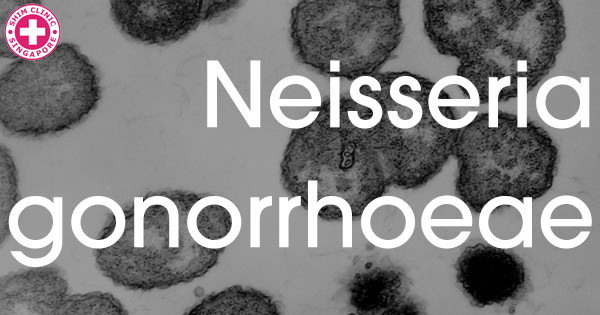
Gonorrhoea is one of the oldest known STDs with evidence suggesting it was present in the human population as far back as ancient Greece and Egypt.  It is a gram negative (has two cell walls with a small periplasmic space between) bacteria and consists of two ball-shaped cells joined by a septum thus is called diplococci (di = two, cocci = ball-shaped).

How It All Began

Gonococci are a human obligate pathogen, all of the Neisseria spp. are only found in humans, and it started out as a harmless member of the community of bacteria that colonise the back of the throat.  Biologists believe that over time the bacteria Neisseria meningitidis (meningococcal) picked up virulence genes from bacteria passing through and transformed from normal flora (good bacteria) into a dangerous pathogen.  At some time in the distance past a strain of N. meningitidis got to the genital region and found it to its liking.

The strain ditched most of the virulence factors required for survival in the harsh regions of the throat and bloodstream and settled down to become a subspecies N. gonorrhoeae.  While still able to cause the rare infection in other parts of the body, notably the throat and eyes (eye infection with N. gonorrhoeae  is often seen in abused children) it is found now almost exclusively as an STD and those opportunistic infections in other areas of the body are often caused by sexual contact.

The Damage

gonorrhoeae can colonise either the urethra or vagina. Symptomatic infection can cause itching, stinging pain on urination, a smelly discharge and in severe cases can form a biofilm that clogs the urethra causing difficulty in urination. More dangerous is that N. gonorrhoeae has retained the ability it had when it was normal flora to cause asymptomatic infection.

Asymptomatic gonorrhoea is still infectious and is able to hang around for years, possibly causing infections in multiple partners.  In women, it is particularly damaging.  While the woman infected does not sense the infection, her immune system does.  It mounts a response, but due to the location of the bacteria is generally unsuccessful.  The continuous mild inflammation eventually results in scarring of reproductive organs.  This may cause Pelvic Inflammatory Disease (PID) which is chronic low-grade pelvic pain from the scarring and often results in reduced or loss of fertility.  In men it can, in rare cases, cause scarring in the tubes that lead from the testes to the urethra resulting in chronic pain and/or infertility.

Fighting The Growing Resistance

The urogenital area colonised by gonococci, like the brain preferred by its cousin meningococcal, is known as an immunoprivileged site.  Despite what that sounds like, it means the immune system finds it very hard to access.  There are physical barriers that prevent white blood cells and other immune cells access to the site.   The body is often unable to clear the infection without medical assistance.

When gonorrhoea was able to be cured with a single dose of penicillin this was not too much of an issue provided treatment was sought.  N. gonorrhoeae however is a genetic whore.  Any piece of DNA it encounters it will take up into the cell, line it up with its own DNA to see if there is a match in the sequence.  If there is sufficient sequence homology (sameness) then the bacteria will swap the pieces of DNA.  It uses this method to pick up any useful DNA in the surrounding area.  Bacteria lyse when dead and release their DNA and so if there are any resistance genes in the surrounding bacteria the gonococci will find it.  (Fortunately and for reasons unknown as there are comparable numbers of bacteria in the throat as the genital regions, meningococcal has not done this despite having the same ability, so can still be treated with benzyl-penicillin).

Currently there are strains of N. gonorrhoeae resistant to penicillin, tetracycline, and fluoroquinolone.  The last effective drug are the antibiotics in the cephalosporin group and already superbug N. gonorrhoeae have emerged in Europe and Japan which are resistant to this last line of defence.

Hope For The Future

There is hope.  Superbugs don’t last. Antibiotic resistance genes are not cheap. They take energy to maintain and are lost as easily as they are obtained.  Often the resistance is due to mutation in a protein that is less effective in the resistant state.  N. gonorrhoeae that are not maintaining four different resistance genes have more efficient cell processes and in the absence of antibiotics can outcompete the superbugs.  Given time, they will push the resistant strains out.  It is estimated that it takes 60 years for a resistant population to become susceptible to penicillin once the drug is removed and it is likely that a similar time frame exists for the other antibiotics. The antibiotics will start to work again eventually if we stop using them.

This does not help those infected in the short term. It will likely take a century for the resistance to die down. In the meantime, it may be that the only way to avoid a chronic gonococcal infection is to not get it in the first place. Always use protection if you are unsure of your partner’s condition. Get regular screenings and talk to your doctor if you have any doubts.
Human Papillomavirus (HPV)

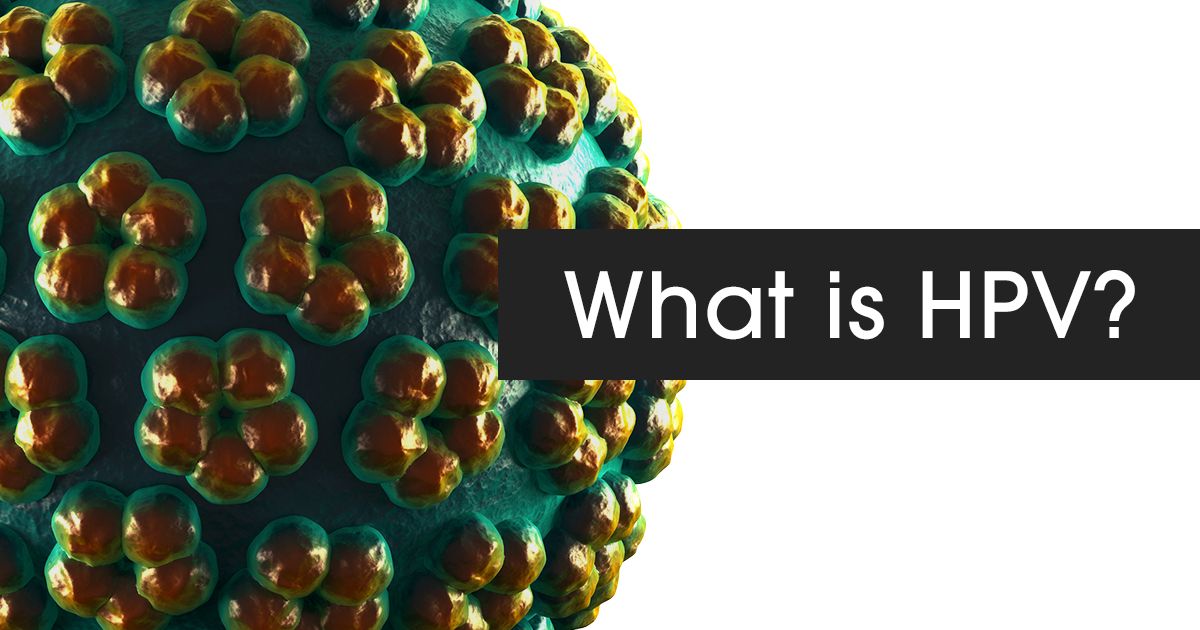
Most people have heard of HIV, herpes, syphilis and gonorrhoea but most would be hard pressed to say what the Human Papillomavirus (HPV) is. However, you are more likely to encounter HPV than all the others combined. The Center for Disease control advises that HPV is the most common sexually transmitted disease in the USA and that most sexually active adults will come into contact with the virus at some point in their lives.

So what is it? It is a human specific strain of Papillomavirus, a closely related family of 150 viruses, 40 of which can cause genital infections in humans. It is named for genital warts (Papilloma) commonly seen on infection but is best known for its link to genital, particular cervical, cancer.

Like HIV, HPV can integrate into the DNA of the host cell, resulting in re-infection down the track. The problem occurs when it inserts into oncogene. Oncogenes are genes that are known to be linked to cancer either by being turned on and causing unstoppable growth of the cell, or turned off and stopping other genes from causing unstoppable growth in a cell.

Pap (Papilloma) smears are specifically designed to screen for cervical cancer caused by the virus but HPV can cause other cancers such as vulvar and vaginal, penile, anal and oropharyngeal cancer.

HVP is rare amongst STDs as a vaccine exists. The HPV vaccine was developed by Professor Ian Frazer and Dr Jian Zhuo at the University of Queensland. Dr Jian Zhou sadly passed in 1999 before he could see the vaccine in production. In 2007, the first vaccine hit the market under the trade name Gardasil and protected against strains four of the most dangerous strains in respect to causing cancer. As the vaccine is no use against previous exposure, it was recommended that girls be vaccinated in early adolescence before they become sexually active. In Australia, the vaccine was provided free of charge to girls and women 9-26 years of age from 2007. In 2012 this was expanded to included boys and men 9-26 years of age. In Singapore, the vaccine has been recommended for girls and women 9-26 years of age since 2010 and is covered by Medisave.

Should boys be vaccinated against HVP?

Singapore recommendations cover females aged 9-26 as the highest cancer risk with HVP is cervical cancer. The HVP has been shown to guard against 90% of all genital warts as well as as strains known to cause penile and anal cancers so a number of countries have widened the recommendations to cover teenage boys. As a human specific virus this does fall into one of the categories of diseases that can be eradicated with vaccination so the more people who have the lower the risk of it spreading through a population.

I am already sexually active, should I have the vaccine?

The vaccine will not protect against any contact you may already have had, but it will protect you in future sexual contact. If you fall within the age range >27 years it is believed that your chances of contracting HVP are low enough for the vaccine to be worth getting.

I use condoms, do I need to have the vaccine?

Condoms are always a good idea and protect well against most STDs as well as unwanted pregnancy. They are not a failsafe. Condoms can break or transmission can occur before or after use. HVP is one of the diseases where condoms are not completely effective.   The latex provides a barrier to the virus particles but the virus is highly infectious and can occur via hand if genitals are touched or skin to skin if the lesion is on an area not covered by the condom. Even if you always used condoms it is advisable to have the vaccine and regular pap smears.

Do I need to have pap smears if I have had the vaccine?

Yes. The Gardasil vaccine is effective against the HPV viruses that cause 90% of genital warts and 70% of cervical cancer. But there are more than 40 strains of HPV. Those others will become more prevalent in the population as the ones covered by the vaccine disappear. The vaccine will significantly reduce your risk of cervical or genital cancer but will not eliminate the risk. There are other HPV strains and a pap smear will pick up abnormal pre-cancerous cells that are due to other causes such as inherited or spontaneous genetic cancers.

What age should I consider vaccinating my child against HPV?

The vaccine is safe from the ages nine up and I would recommend vaccinating your child between the ages of nine to twelve well before they become sexually active. It starts a conversation about the dangers of sex and let’s face it, it is easier to get a nine-year-old to the doctors for a jab than a fifteen-year-old. One less thing you have to worry about doing when they hit the difficult teenage years.

I have been saving myself for marriage, do I need it?

Abstinence is a sure fire way to avoid HPV. If you are not sexually active, you don’t need the vaccine. If you are due to get married, consider working it into your wedding plans. There are three doses so you will need to get the first one well before the honeymoon.

For further information see:

Singapore Government Health Promotion Board – HVP facts.

https://www.healthhub.sg/a-z/diseases-and-conditions/701/faqs-on-hpv-and-hpv-immunisation

Centre for Disease Control – HVP

http://www.cdc.gov/hpv/index.html

University of Queensland – Eliminating cervical cancer globally

http://www.uq.edu.au/research/research-at-uq/eliminating-cervical-cancer-globally

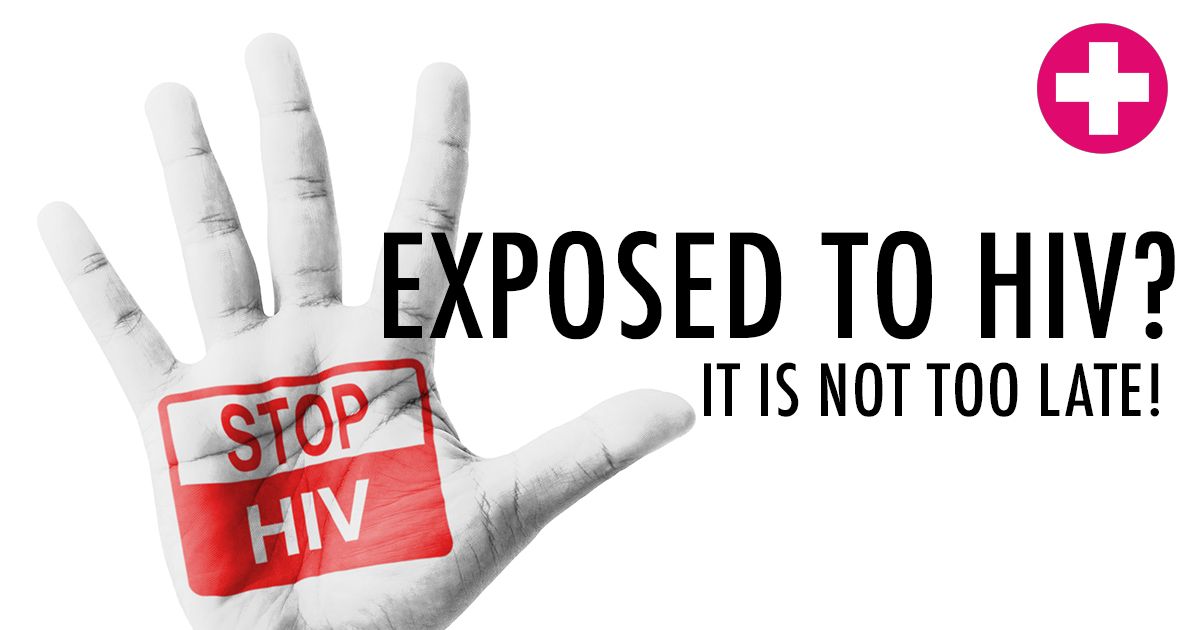
Exposed to HIV? It’s Not Too Late!

Of all the letters in the English language, few are feared as much as the simple combination of H.I.V. Once you’re infected, the impact on your health and on your family can be devastating. As careful as you may be, there are still scenarios which can result in exposure to HIV. Instead of worrying and running the risk of serious health consequences, take steps to protect yourself and your loved ones from the effects of this virus. One way to conquer an HIV exposure is to use PEP.

What is it?

PEP stands for Post-Exposure Prophylaxis, which simply means a treatment that you begin right away after your exposure event. Your goal is to keep from being permanently infected with HIV. This kind of antiretroviral therapy often comes to the aid of healthcare professionals, who face exposure scenarios in the course of their work.

How does it work?

Essentially, the PEP medication creates problems for HIV, preventing the virus from replicating, or copying itself, as it normally would. Without the ability to create HIV copies, the virus cannot spread throughout the body. In a best-case scenario, the spread is contained and infection is prevented.

If you suspect or know that you were exposed to HIV, act now. Don’t wait to be sure. The PEP treatment has a 72-hour window of efficacy, and the sooner you get started on it, the better. The longer you wait, the more time HIV has to copy itself and spread.

Seeking Medical Help

Sometimes, people who have experienced an exposure event are anxious about losing their privacy if they seek help. When you choose an STD clinic in Singapore that provides PEP treatment, rest assured that your personal affairs will be respected and kept private. While doctors and nurses may need to ask you a few pertinent questions, your private life remains secure and undisclosed to anyone else.

How Well Does It Work?

Keep in mind that your level of risk increases depending on the type of exposure involved in your scenario. Certain types of intercourse with an infected partner carry more risk of infection. Sharing needles with an HIV-positive individual is a high-risk situation as well. On the other hand, coming into contact with an infected person’s tears or sweat does not generally result in transmission of HIV.

The good news is that PEP is highly effective in decreasing the possibility of HIV infection. Some reports quote a success rate of up to 81%. Once you and your doctor evaluate the situation, including all benefits and risks, you can begin your PEP treatment, which lasts about 28 days. Be sure to follow up with your STD clinic in Singapore so that the medical professionals there can continue to assess your progress, screen your body for infection, and monitor any potential side effects. Usually, the side effects for PEP are no worse than a little occasional nausea– easy to put up with when you consider the far more serious effects of HIV itself.

Keep in mind that a round of PEP is a one-time solution for an unusual scenario. If you expect to be routinely exposed to HIV, speak with a doctor about preventative measures that can lower your risk for contracting the virus. With prompt action and the right medical advice, give yourself the best possible chance of overcoming an HIV exposure.

HIV Basics Everyone Should Know

What is it?

HIV stands for Human Immunodeficiency Virus. It is a human specific (can only infect humans) virus that attacks the T-cells of the immune system. T-cells are the detector cells of the immune system, attacking foreign antigens they encounter in the blood stream.

The HIV virus invades the T-cells. Once in they take over the cellular machinery, like an invading army and force the cell to stop its regular function and make thousands of copies of viruses until the cell is so full it bursts. In this way, HIV not only replicates but destroys the very cells that would detect and eradicate it.

Every so often however the virus does not take over the cell, instead it inserts a copy of the full viral DNA in amongst the cells genes. HIV can hide here, dormant until an unknown event activates the virus once more and it comes out to start a new wave of invasion. It is this integration into the cellular DNA that means there is no cure for HIV. The antivirals can only attack the HIV virus that is in the open.

AIDS stands for Acquired Immune Deficiency Syndrome and is the name for the disease that follows from the destruction of the immune system. You can be HIV positive (have the virus) without having AIDS. So long as the viral load (the amount of virus) is controlled then AIDS can be prevented.


What does AIDS do?

AIDS was identified in 1982 among homosexual men in San Francisco with a spate of rate cancers. First called Gay-related Immunodeficiency disease GRID, it was seen by some as a judgement from God on the Gay community. It was not until a group of haemophiliacs became infected as the result of contaminated blood donation that doctors realised it was blood borne and not the result of the Gay lifestyle. They renamed it AIDS and for a decade it was the most feared disease in the world.

I once sat through a medical lecture given by a doctor who worked in the early 1980’s at Fairfield Hospital in Melbourne, the only hospital in Australia that would treat AIDS patients. She described the case study of her first patient with AIDS. It was a medical mystery. A deadly disease origin unknown that ravished the body. She watched helpless to offer any treatment as his body succumbed to rare cancers, his jaw and nose eaten away by fungal infections. By the end of the lecture, there was not a dry eye in the house. This is a truly terrible disease.


How do you catch HIV?

HIV is spread by infected bodily fluids, namely blood and semen. It is not spread by human waste, casual contact or saliva. It is safe to sit next to or hug someone who is HIV positive without risk of infection.

The most common ways to catch HIV is to sleep with someone who is HIV positive or share needles.

According to the Ministry of Health, most new AIDS infections in Singapore occur in single men aged between 30-34 years of age.


Can HIV be cured?

No, but it can be prevented.

The easiest way to avoid getting HIV is to avoid contact with bodily fluid. This included rejecting promiscuity, using protection such as condoms and safe use of needles.

There have been huge strides in HIV research in modern times. If you are at high then taking prophylaxis can prevent infection and integration of the virus (Pre-exposure Prevention PrEP. If you believe you have come into contact with the virus then early treatment with antivirals can destroy the virus before it integrates and becomes a permanent fixture in your system. Such treatments are known as HIV PEP (Post-exposure Prevention PEP).

HIV has been effectively prevented from transfer from infected mothers to their infants using antivirals to reduce the viral load prior to birth.

Due to the use of antivirals HIV is no longer a death sentence. The viral load can be kept below the level that causes disease and someone with HIV can now lead a full and useful life.


Prevention is better than cure.

During the 1980’s there was a global campaign to raise awareness of AIDS and stop the spread. This campaign caused a marked reduction in HIV infection. However, AIDS is once again on the rise and the knowledge that there is a treatment has caused some to become careless with regards to HIV. In Singapore at the end of 2014, there were 6,685 infected with 1,737 deaths according to the AFA Action for AIDS Singapore website.

The treatment is effective but it is unpleasant, causing cold-like side-effects as it stimulates the immune system and many come of the drugs due to the unpleasant side effects. The HIV is an RNA virus, and these viruses have a high mutation rate. Already resistant strains are popping up across the world.

It still kills and it will make your life miserable. You will need to deal with the stigma of being HIV positive which is still prevalent in society. You will be on medication for the rest of your life and there is no guarantee that the medication will continue to work. Anti-viral resistant strains will kill you. If you think you may be infected get to a doctor, if caught early enough the infection can be prevented from progressing to the infectious stage. But the best way is to avoid getting it in the first place.

Be HIV aware and be safe.


HIV myths:

Sleeping with a virgin will cure HIV – Not true. A virgin is less likely to be infected by HIV (but remember it is not just sex that spreads it) so you are not likely to catch HIV from a virgin. But sleeping with someone who is not infected will not cure you of the virus. All it will do is infect the person you are sleeping with.

You can catch HIV by touching a HIV infected person – Not true. You need to be exposed to an infected person’s blood or semen to be infected. Being in close proximity or touching them will not cause you to become HIV positive, especially if they are taking antivirals.

You can catch HIV from a toilet seat – Not true. HIV is spread by blood and semen only, not through urine or faeces. HIV does not survive well outside the body. You will not catch HIV by using a toilet.

There you go, hope this blog article has given you a good overview. This is our first blog post and we will be publishing more articles like this in the future. In the meantime, if you have any queries you need answered, don’t hesitate to contact us  – details are at our Shim Clinic main website.