Study finds evidence of reduced transmission risk behavior and reduced stimulant use in men who have sex with men through use of incentives
Continue readingIncentives Increase the use of PEP among Men Having Sex with Men who abuse drugs


Study finds evidence of reduced transmission risk behavior and reduced stimulant use in men who have sex with men through use of incentives
Continue reading
Knowledge on PEP among clinical medical students in developing countries is very low calling for inclusion of PEP in HIV curricula.
Continue reading
In the news -Today reports better Life For Singaporean HIV Patients; Highest cases of HIV in Eastern Europe reported by WHO; The CDC in the US says HIV Prophylaxis can help millions
Continue reading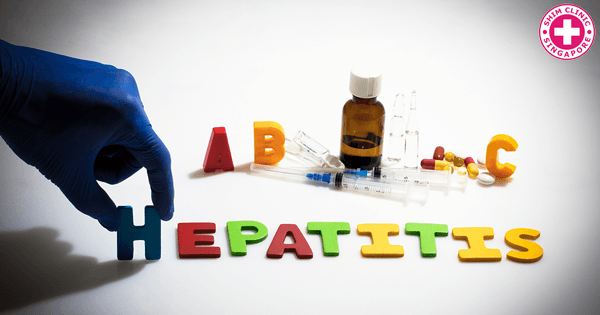
A short guide to the viruses from the Hepatitis Family: Hepatitis A, Hepatitis B, Hepatitis C, Hepatitis D & Hepatitis E.
Continue reading
A 3-day movement was started in Mumbai, India, to spread awareness of the use of HIV PEP as a preventive measure for rape victims from getting infected by the HIV virus. Several medical professionals and institutions took part in this movement. Although it is an established fact that the chances of a rape victim being infected by the virus is extremely low when treated within 8 hours of exposure, the treatment is not provided or mandated at a national level in India. This is what this movement is trying to change.
Dr Ishwar Gilada, who is the president of the AIDS society of India, was reported as claiming to the press in India that if a rape victim is given PEP treatment immediately, chances of infection can go down to as much as 100%. This movement comes after the recent rise in rape incidents in India. There were a reported 36735 rape cases in 2014 – statistics given by the National Crime Records Bureau (NCRB) statistics. Gilda said that HIV PEP therapy should be prescribed in addition to trauma care. The initiative to request for this medication should be made by both the relatives of the victims as well as law enforcement.
Read the full report here: http://www.uniindia.com/post-exposure-prophylaxis-can-prevent-hiv-infection-if-administered-within-8-hours-dr-gilada/others/news/254245.html
A study was made in London on the drug usage and sexual patterns on men who have sex with men. They study was made on 874 male participants who used the services of a chemsex support service provided by the busiest STD Clinic in London, the 56 Dean Street clinic. Chemsex is the act of using a variety of recreational and, mostly illegal, drugs to remove any sexual inhibitions as well as increase arousal and desire, resulting in periods of sexual intercourse that may last for days. One of the more popular drugs used is crystal meth.
Data collected from the survey revealed that 70% of the men who attended the clinic used drugs in all their sexual activities during the last six months. They had no recollection whatsoever of what sober sex feels like anymore. This shows a worrying dependency on drugs by these individuals for sex. In the group of men being studied, 32% of them were HIV positive, out of which 42 of them were not being treated with antiretroviral therapy and 64% of them did not use condoms during sexual activities.
For the remaining HIV-negative men, forty percent used condoms less than half the time and ten percent reported no use at all. 30% of these men were medicated with HIV PEP once at least during the last 2 years while 25% had taken the medication up to 10 times. Interest in PrEP treatment in this group of men who engage in chemsex is extremely high while a third of them do not that know such a treatment exist.
For the full report go here – http://www.aidsmap.com/London-clinic-survey-shows-impact-of-chemsex-on-condom-and-PEP-use/page/3009821/
At the 15th European AIDS Conference, speakers voiced concerns from public about the growing need for access to PrEP (Pre-Exposure Prophylaxis) to be used informally. PrEP is a treatment that uses anti-HIV medication to prevent people who are HIV-negative from becoming infected in the near future (up to about 3 weeks after). In Europe currently, like many other countries, PrEP is not funded by government bodies and can only be obtained privately from doctors on an individual basis rather than being a part of the public healthcare system – which means access is limited and more costly.
Many have sought to go around this issue by asking for HIV PEP (Post Exposure Prophylaxis) medication instead with the intention of using them as PrEP. There are national initiatives to push for making PrEP a part of HIV prevention strategies on national levels that is also fully funded, though it is still at an early stage, and moving at a slow pace. Much of the obstacles to making this medication part of the public health system in Europe is due to cost, government red tape as well as the difficulties of implementing something across a continent with varying public health systems.
Read full news report here: http://www.aidsmap.com/When-will-Europe-get-PrEP/page/3008966/
HIV PEP in Zimbabwe is usually only prescribed to medical professionals and workers who have a high risk of occupational exposure and rape victims. This essentially makes access limited to members of the public who engage in risky sexual behaviour. Many, however, are circumventing this problem by obtaining PEP medication from pharmacies that are illegally dispensing such medications without a doctor’s prescription. Pharmacies caught doing so are subject to penalties and sanctions by the Government. HIV PEP is not considered a preferred HIV prevention strategy in Zimbabwe and is strictly dispensed only to rape victims and medical personnel.
Read full report here: https://www.newsday.co.zw/2015/10/02/govt-warns-unscrupulous-pharmacies/
A recent study published by The Journal of Sexual Medicine revealed that individuals in a monogamous relationship are statistically just as likely to contract sexually transmitted diseases as those who are not. In the study, 556 volunteers were recruited, out of which 351 were in monogamous relationships while the rest were in open relationships. Results concluded that the likelihood of contracting STDs were the same between the 2 groups, mostly due to one or both of the parties secretly cheating, which makes us think – is monogamy just an illusion?
Read full study here: http://www.medicaldaily.com/trust-no-one-youre-just-likely-get-std-monogamous-relationship-you-are-open-one-358538
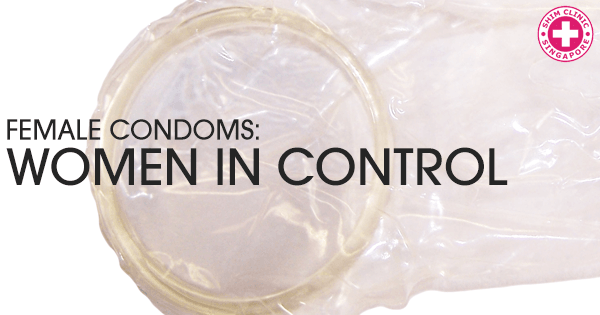
Most people are familiar with the male condom. Its use is outlined in sex education classes and mentioned extensively in movies, TV, and other popular media. Less well known is the female condom, a barrier method of contraception and STD protection.
The female condom is a pre-lubricated polyethylene sheath that is inserted into the vagina or anus prior to coitus. It forms a tube with a closed rubber circle at one end and an open ring at the other. The tube is inserted into the vagina or anus with a finger, similar to a tampon. The open ring is left hanging about 1cm outside of the vagina.
The advantages of the female condom are that it does not need to be inserted during sex, indeed it is safe to put it in place up to eight hours previous, and so not disrupting the mood. It also does not need to be immediately removed allowing the intimacy to continue post-coitus. The looser fit of the female condom means it does not inhibit erection or reduce sensitivity as the tighter male condoms can. They are a good choice for those with a latex allergy or sensitive skin.
The disadvantages are a slight increase in cost, possible rustling noises during coitus (this can be reduced with extra lube) and slipping during sex. If incorrectly used it can slip inside the vagina during sex and the loose entrance ring can be missed, allowing the penis to move between the wall of the vagina and the condom instead of inside. It is not as effective as a male condom in preventing pregnancy with a 95% success rate if used correctly, vs 98% for the male, and down to 79% if incorrectly used.
Female condoms are not commonly available in stores and need to be ordered online. If used correctly they protect against STDs as effectively as the male condoms. It is a matter of personal preference as to whether male or female condoms suit you best. Difficulties may arise in the first few attempts so it is worth practicing prior to use or using with a trusted partner you know to be safe for the first attempts.
Remember that no form of protection is 100% safe and the best protection is abstinence or a faithful monogamous relationship. In cases where you found that the condom has been damaged during or after intercourse, you may want to consider going on HIV PEP medication if either you or partner have been known to engage in risky sexual behavior. HIV PEP will help to stop HIV infection within 72 hours of exposure.
Find out more about HIV PEP here: https://www.shimclinic.com/singapore/hiv-pep
Find out more about our STD Clinic here: https://www.shimclinic.com/singapore/std
The herpes simplex virus comes in two strains, HSV-1 and HSV-2. HSV-1. This STD most commonly causes oral herpes (cold sores) and HSV-2 genital herpes though both can cause infection of the mouth or genitals. The HSV viruses are large double-stranded DNA viruses and members of the Herpesviridae family which also includes Epstein-Barr Virus, the Chickenpox virus and the virus responsible for Kaposi’s sarcoma among others.
It is a very old human pathogen, with references to herpes epidemics in ancient Greek writings. Indeed the name herpes comes from the Greek word for latent or creeping, referring to the dormant and active cycles. The virus moves into nerve cells where it falls into a dormant state, re-emerging to cause periodical infections during times of low immunity. There is no cure, once infected the virus remains with its host for life.
Symptoms include the appearance of blisters or sores, irritation when urinating and especially in the earlier stages of infection it can have systematic flu-like symptoms. Condoms can reduce the risk of transmitting the Herpes virus but do not prevent it if sores are be covered by the condom. Abstinence,when symptoms appear, is the best way to prevent transmission. The virus can be asymptomatic and transferred person to person in the absence of symptoms. Very rarely do the virus can infect hands, eyes or even the brain. Viral encephalitis with Herpes is rare but has been seen in adults. More commonly it is seen in newborns where infection has occurred during birth.
Oral sex can infect the genital region with HSV-1. Dental dams may reduce risk, but again, will not work if sores are not covered by a barrier. Again, abstinence while symptoms are present, is the best prevention.
While there is no cure, there are drugs to manage the outbreaks. Antiviral acyclovir (Zovirax), famciclovir (Famvir), and valacyclovir (Valtrex) are given as a 7-10 day course of pills and more severe cases may warrant treatment with intravenous (IV) acyclovir. For those who have severe outbreaks, suppression treatment with a daily dose of antivirals may be appropriate. Topical creams do not appear to be very effective in the treatment of genital herpes. See your doctor for the most suitable management plan for you.
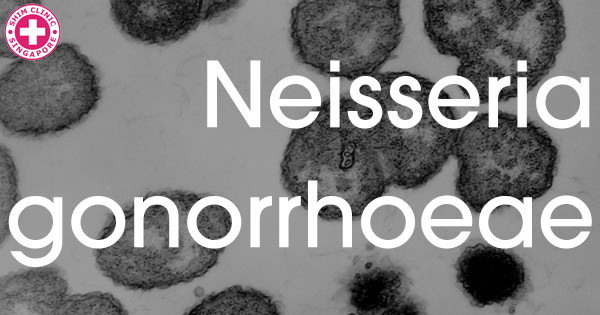
Gonorrhoea is one of the oldest known STDs with evidence suggesting it was present in the human population as far back as ancient Greece and Egypt. It is a gram negative (has two cell walls with a small periplasmic space between) bacteria and consists of two ball-shaped cells joined by a septum thus is called diplococci (di = two, cocci = ball-shaped).
Gonococci are a human obligate pathogen, all of the Neisseria spp. are only found in humans, and it started out as a harmless member of the community of bacteria that colonise the back of the throat. Biologists believe that over time the bacteria Neisseria meningitidis (meningococcal) picked up virulence genes from bacteria passing through and transformed from normal flora (good bacteria) into a dangerous pathogen. At some time in the distance past a strain of N. meningitidis got to the genital region and found it to its liking.
The strain ditched most of the virulence factors required for survival in the harsh regions of the throat and bloodstream and settled down to become a subspecies N. gonorrhoeae. While still able to cause the rare infection in other parts of the body, notably the throat and eyes (eye infection with N. gonorrhoeae is often seen in abused children) it is found now almost exclusively as an STD and those opportunistic infections in other areas of the body are often caused by sexual contact.
gonorrhoeae can colonise either the urethra or vagina. Symptomatic infection can cause itching, stinging pain on urination, a smelly discharge and in severe cases can form a biofilm that clogs the urethra causing difficulty in urination. More dangerous is that N. gonorrhoeae has retained the ability it had when it was normal flora to cause asymptomatic infection.
Asymptomatic gonorrhoea is still infectious and is able to hang around for years, possibly causing infections in multiple partners. In women, it is particularly damaging. While the woman infected does not sense the infection, her immune system does. It mounts a response, but due to the location of the bacteria is generally unsuccessful. The continuous mild inflammation eventually results in scarring of reproductive organs. This may cause Pelvic Inflammatory Disease (PID) which is chronic low-grade pelvic pain from the scarring and often results in reduced or loss of fertility. In men it can, in rare cases, cause scarring in the tubes that lead from the testes to the urethra resulting in chronic pain and/or infertility.
The urogenital area colonised by gonococci, like the brain preferred by its cousin meningococcal, is known as an immunoprivileged site. Despite what that sounds like, it means the immune system finds it very hard to access. There are physical barriers that prevent white blood cells and other immune cells access to the site. The body is often unable to clear the infection without medical assistance.
When gonorrhoea was able to be cured with a single dose of penicillin this was not too much of an issue provided treatment was sought. N. gonorrhoeae however is a genetic whore. Any piece of DNA it encounters it will take up into the cell, line it up with its own DNA to see if there is a match in the sequence. If there is sufficient sequence homology (sameness) then the bacteria will swap the pieces of DNA. It uses this method to pick up any useful DNA in the surrounding area. Bacteria lyse when dead and release their DNA and so if there are any resistance genes in the surrounding bacteria the gonococci will find it. (Fortunately and for reasons unknown as there are comparable numbers of bacteria in the throat as the genital regions, meningococcal has not done this despite having the same ability, so can still be treated with benzyl-penicillin).
Currently there are strains of N. gonorrhoeae resistant to penicillin, tetracycline, and fluoroquinolone. The last effective drug are the antibiotics in the cephalosporin group and already superbug N. gonorrhoeae have emerged in Europe and Japan which are resistant to this last line of defence.
There is hope. Superbugs don’t last. Antibiotic resistance genes are not cheap. They take energy to maintain and are lost as easily as they are obtained. Often the resistance is due to mutation in a protein that is less effective in the resistant state. N. gonorrhoeae that are not maintaining four different resistance genes have more efficient cell processes and in the absence of antibiotics can outcompete the superbugs. Given time, they will push the resistant strains out. It is estimated that it takes 60 years for a resistant population to become susceptible to penicillin once the drug is removed and it is likely that a similar time frame exists for the other antibiotics. The antibiotics will start to work again eventually if we stop using them.
This does not help those infected in the short term. It will likely take a century for the resistance to die down. In the meantime, it may be that the only way to avoid a chronic gonococcal infection is to not get it in the first place. Always use protection if you are unsure of your partner’s condition. Get regular screenings and talk to your doctor if you have any doubts.

Nut allergies are among the most dangerous of allergies, with a high rate of anaphylaxis. Sufferers know to be wary of what they eat. But how many would think to be wary of what their partner was eating?
In 2007, a woman presented at St Helier Hospital in England was suffering from widespread hives and had difficult breathing. She had a known nut allergy but was careful to avoid foods containing nuts. Her partner was very understanding of the condition and though he ate Brazil nuts, was careful to brush his teeth before they kissed.
After exhausting all other leads and knowing that the couple had sex just prior to her symptoms appearing, the doctors at the hospital arranged an experiment. They had the man eat Brazil nuts again and tested his saliva, sweat and semen in a pin prick allergy test on her skin. Tests of the man’s sweat and saliva were negative, but his semen caused a reaction.
Brazil nuts are actually seeds, produced by one of the tallest trees in the Amazonian rainforests. The large nuts are often found in bags of mixed nuts and contain a high vitamin and mineral content and are thought to have the highest content of the nutrient selenium of any food.
Allergy to Brazil nuts are the second most common nut allergy after peanuts and can be life-threatening. There are six proteins shown to be able to cause allergic reactions in people but the main one is known as Ber e 1. It is a small 9 kDa protein which falls into the category of the 2S albumins, a group of proteins common to seeds. Ber e 1 is resistant to digestion and it is the allergen that is able to pass into semen.
To date, Brazil nuts are the only food allergen known to pass into semen and so be sexually transmitted like any other STD. It is advisable to abstain from eating Brazil nuts for 24-48 hours prior to coitus if your partner is allergic. If you have indulged, a condom will provide protection.
If you want more information regarding this case, it was published in The Journal of Investigative Allergology and Clinical Immunology in 2007, Volume 17, issue 3, pages 189-91 by Bensal, et al. entitled “Dangerous liaison: sexually transmitted allergic reaction to Brazil nuts”.