New Integrase Inhibitors RAL, EVG and DTG improving the efficacy of ARVs in controlling HIV replication by providing personalized therapy.
Continue readingStudy: New HIV Integrase Inhibitors RAL, EVG and DTG

New Integrase Inhibitors RAL, EVG and DTG improving the efficacy of ARVs in controlling HIV replication by providing personalized therapy.
Continue reading
Truvada® is commonly used in combination with Isentress® for PEP due to the effectiveness and lack of negative interaction between the two drugs. Learn more in this detailed guide.
Continue reading
Isentress® is one of the newest classes of antiretrovirals, the intergrase inhibitors. This drug disables the HIV intergrase protein which is responsible for integrating the viral genome into the human chromosome and causing the chronic incurable infection. Developed by Merck and Co, it was approved for adult use in 2007 by the FDA and use in children as late as 2011. It has been shown to be the most highly effective anti-HIV drug in lowering viral load (numbers of virus in the blood).
Despite the drug’s effectiveness, it does have an Achilles heel. The intergrase protein is highly mutagenic and resistance can develop quickly meaning that Isentress® must be used in combination with other antiretrovirals to be effective. HIV PEP therapy at our clinic includes the use of Isentress® together with Truvada® – a pill made by Gilead Sciences containing Emtricitabine (Emtriva®) and Tenofovir (Viread®). This is currently our preferred PEP treatment combination.
Side effects
Isentress® has fairly mild side effect compared to many other antiretrovirals for most people. It is common to experience insomnia and the resulting tiredness as well as headaches, dizziness and nausea.
Less common side effects are stomach pains, depression including suicidal thoughts, hepatitis, kidney disease and weakness. Help should always be sought immediately if you are experiencing suicidal thoughts and if you start to experience the onset of hepatitis symptoms, most notably jaundice, dark urine, clay coloured stool and loss of appetite. You should be tested regularly for kidney health while taking PEP and it is important that you attend all tests as they will pick up problems before they become bigger. The rebound of hepatitis can happen when treatment stops due to the removal of suppression of HBV by Isentress®. Your doctor should be alerted if you have HBV so that your liver function can be safely monitored following cessation of treatment.
A rare and rather strange side effect of Isentress® is outbreaks of Herpes sores in those who suffer from genital herpes or cold sores and the occasional outbreak of shingles. It is not known what causes this, but is likely to be due to stress on the immune system. Inform your doctor if you suffer from herpes or cold sores or if you have had shingles in the past before starting this medication.
Like any medication, allergies are possible and can in extreme cases be life threatening. Seek emergency medical assistance should you find a rash in combination with fever, extreme tiredness, unexplained muscle or joint pains, sores in the mouth, swelling around the eyes or inside the mouth or difficulty breathing. Do not take any more of the medication if these symptoms appear until given the all clear by your doctor.
Contraindications
As with all PEP drugs, hepatitis or other liver conditions and any kidney conditions need to be closely monitored while taking Isentress®. It has not been shown one way or the other what effects it has on a growing foetus so inform your doctor if you are pregnant and Isentress® should only be taken if essential during pregnancy. There is no indication it is harmful to the baby, but not enough information to say that it isn’t. You should never breastfeed while on PEP, not only because the medication is transmitted through breastmilk but also to prevent transmission of HIV virus that has not been inactivated. PEP is not a cure for HIV, it inhibits the virus long enough for the immune system to respond and it doesn’t always catch it in time. You should behave towards others as if you were infectious until the PEP has been proven to have prevented a chronic infection.
There are indications that Isentress® can exacerbate rhabdomyolysis or myopathy as well as other conditions that increase the levels of creatine kinase in the blood. Inform your doctor if you suffer from any of these conditions and seek advice should you experience any unexplained muscle weakness or pain. As always these are not a full list of the side effects, should you experience anything that concerns you that appears to be linked to starting Isentress® speak to your doctor.
Drug interactions
There are few drugs that have a risk of negative interactions with Isentress®. One to watch for is Magnesium supplements. The magnesium or aluminium in these supplements can bind to the Isentress® and inactivate the drug. You should stop taking multi-vitamins or antacids when starting Isentress® treatment as many of these contain magnesium and/or aluminium.
There is some indication that the antibiotic rifampin may speed up the liver in clearing Isentress® from the body. You should try to ensure that you attend the same doctor while on PEP so that he or she is aware of all the medications you are taking. If you do need to see a different doctor make sure they are aware you are taking PEP. It may be that the doctor will have to change the prescribed dose of Isentress® while you are taking rifampin to ensure the levels are sufficient to inactivate any HIV virus.
Other drugs to watch for are any others that increase liver metabolism or those that raise the acidity of the blood, both may decrease the effectiveness of Isentress® and the active levels will need to be monitored while on these drugs. It will inevitably mean more blood tests, but despite the inconvenience, it is better to have a host of blood tests over the 28 days of treatment than have to have constant blood tests for the rest of your life because a HIV virus slipped past the drugs and integrated.
You should advise your doctor of any herbal remedies or supplements you are taking before starting any medication. As Isentress® is a relatively new drug it is likely there are other drugs it will react with in a negative way that are not yet known. If you feel unwell after taking another medication in combination with Isentress® inform your doctor immediately. If that medication is non-essential stop taking it immediately. If it is essential seek urgent medical advice regarding how to proceed.
Additional information
As Isentress® has only been approved for human use for less than ten years there is still a good deal to learn about how exactly it acts on the virus. Studies have shown surprising results with Isentress® notably that while the intergrase was thought to only cause integration into the human genome, blocking it resulted in viral loads falling faster with Isentress® than with the nucleoside reverse transcriptase inhibitors or the protease inhibitors. As both of these alternatives directly impact on viral replication, it would suggest that the intergrase has a more essential role in HIV replication that previously thought.
Work on other viruses, notably Hepatitis B (HBV) and Epstin-Barr virus have shown that despite being designed for HIV, Isentress® may be effective against a much wider range of viruses. Like Viread, Isentress® can cause a rebound effect in HBV sufferers as it is believed to lower HBV loads which recover when PEP treatment is stopped causing a bout of acute hepatitis. While not approved for treatment of HBV there are clinical trials currently assessing its effectiveness against HBV and it may offer hope in future for HBV sufferers.
Epstine-Barr virus (EBV) is a member of the Herpesviridae family (Lymphcrytovirus Human herpesvirus 4) and causes glandular fever (also known as infectious mononucleosis, mono or the kissing disease). It is one of the most common viruses and as well as being known for causing post-viral chronic fatigue, it is less well known as a risk factor in various cancers, notably gastric cancer and a variety of blood cancers (lymphoma) and autoimmune diseases such as lupus, rheumatoid arthritis and multiple sclerosis. Preliminary clinical trials with Isentress® suggest that the drug may be successful in reducing the severity of EBV-associated multiple sclerosis. If trials prove successful, it will lead to a very exciting possibility of treatment for this horrific disease, and perhaps many others.
It is a wonderful example of cross-discipline drug development where eagle-eyed doctors noticed a correlation between use of a drug for one purpose and followed through with their observations. The result of which is a HIV drug that not only provides hope for those with HIV, but spreads out to potentially treat cancer and autoimmune disease as well.
Watch this space, very exciting developments going on.
For more information see:
WebMD – Isentress®
http://www.webmd.com/drugs/2/drug-149324-1036/isentress-oral/raltegravir-oral/details
Isentress® product information.
https://www.isentress.com/raltegravir/isentress/consumer/hiv_medication/
Information on use of Isentress® in treatment of relapsing Multiple Sclerosis
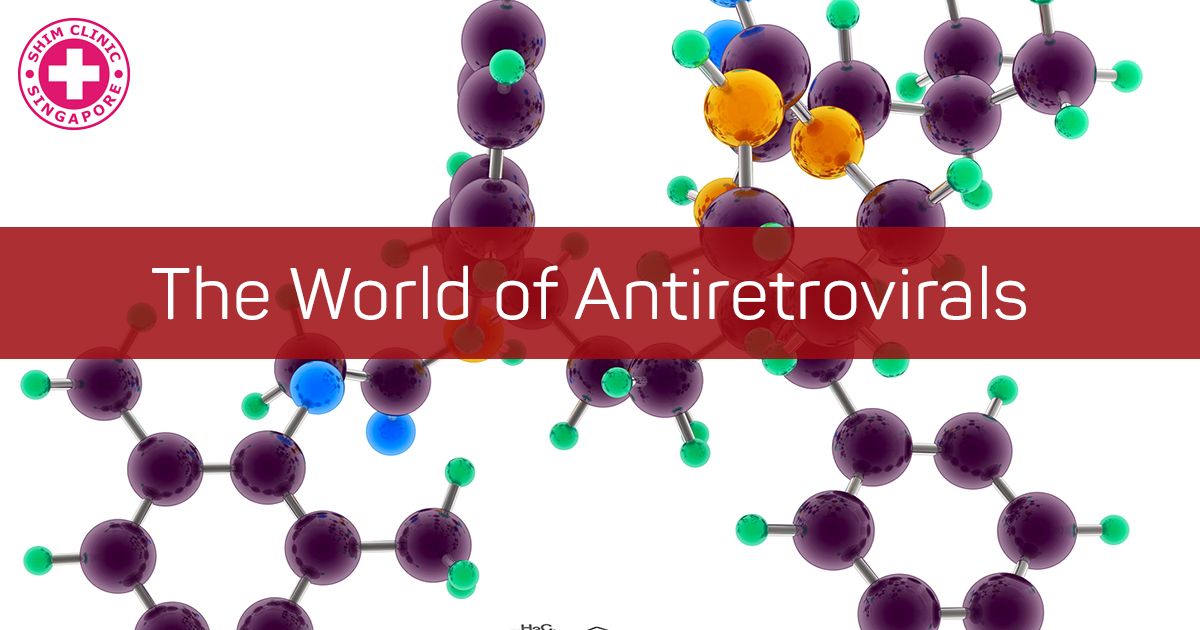
In the 1980’s diagnosis with HIV was a death sentence. In 1995 in the USA, it was the highest cause of death in the age range 25-44 years. Nowadays HIV is a life sentence, but a relatively painless one. Anti-retroviral therapy (ART) has ensured that the virus is kept locked away in the host DNA, never to be seen more in most cases.
From no treatment available in 1983 to more than 40 retroviral inhibitors in 2015, with more in the works, scientists are staying one step ahead of emerging resistance. The death toll from HIV continues to plummet. Anti-retrovirals consist of a wide range of drugs that target different stages of the virus lifecycle.
The first thing the virus needs to do to effect a successful infection is get into the cell. This stage is thwarted by the entry inhibitors, notably maraviroc (MVC) and enfuvirtide (T-20).
Maraviroc binds to the host cell receptor that the HIV virus binds to before working its way into the cell. It is not a common treatment. The binding of Maraviroc to the cell can open up a secondary binding site, allowing the HIV to attach regardless. The drug also has liver toxicity issues. It has however been approved by the FDA for human use and is a fallback when other drugs prove ineffective.
Enfuvirtide acts on the virus rather than the host cell, binding to the gp41 protein that HIV uses to attaches to the cell, inactivating it and stopping invasion of the cell before it starts. As with Maraviroc, it is used as a ‘salvage therapy’ rather than the first port of call due to its high cost and the fact it can only be administered as an injection.
HIV is a retrovirus, which means that the virus genome is made of RNA rather than DNA. In order to replicate it needs to transcribe the RNA code into the DNA used by mammalian cells for genomic content. Mammalian cells only transcribe DNA to RNA, not the other way around. The protein needed to transform the RNA into DNA has to be provided by the virus. It makes a good place for scientist to target as the fact that it is not a protein seen in humans reduces the risk of side-effects.
The Nucleoside (or Nucleotide) analogue reverse transcriptase inhibitors (NRTI). NRTIs are specialised nucleosides, the building blocks of DNA, lacking the essential hydroxy group on its 3’ end. Lack of this group prevents it from binding to another nucleoside and stops the construct of the DNA strand cold. Without this DNA strand the virus is unable to trick the host cell into replicating viral the viral genome. The NRTIs are the most effective anti-retroviral therapies and include some of the oldest anti-retroviral among their number. Examples include zidovudine (ZDV), abacavir (ABC), lamivudine (3TC), emtricitabine (FTC), and tenofovir (TDF).
Non-nucleoside analogue reverse transcriptase inhibitors (NNRTI). NNTRIs are drugs that target the viral reverse transcriptase directly rather than targeting the process. By binding the viral protein near the active site they change the structure of the active site, so it cannot bind nucleosides and catalyse the formation of DNA from the RNA viral genome. Examples include nevirapine (NVP), efavirenz (EFV), etravirine (ETR) and rilpivirine (RPV).
The virus is not able to change the building blocks of DNA so resistance to NRTIs is uncommon, however, it can change the structure of the reverse transcriptase protein. HIV-2 is naturally resistant to NNRTIs.
A viral infection that destroys all the cells it is able to infect does not have a long lifespan. To ensure it lives to fight another day, the virus does not destroy all the T-cells in invades. In some instead of taking over the cellular machinery to make thousands of copies with the transcribed DNA, it inserts its own DNA into the host cell genome using a viral protein known as an integrase.
In 2007, the drug raltegravir (RAL) was approved by the FDA. Raltegravir binds in preference to the native substrate, i.e. if there is any raltegravir nearby the integrase will select that before the host genome it is meant to target. In this way, it uses up all the integrase before the virus can insert into the genome. In 2014 two more integrases inhibitors were approved for use, elvitegravir (EVG) and doultegravir (DTG).
Once the viral DNA has been transcribed and integrated the virus needs to then make more copies of itself. It does this by tricking the host cell to replicate the viral RNA genome and proteins in preference to its own functions, killing the cell in the process. The viral proteins are made as one long peptide (protein) chain called the gag/pol precursor and this is cut up by a viral protease (enzyme that cuts proteins) to separate the individual proteins into their active form.
The protease inhibitor antiretroviral drugs target this stage of the virus lifecycle, preventing the protease activity and activation of viral proteins. Protease inhibitors include lopinavir (LPV), indinavir (IDV), nelfinavir (NFV), amprenavir (APV) and ritonavir (RTV). Due to high mutation rates of the viral genome and high tolerance for mutation in the viral protease, this category of drugs suffers the most from emerging resistance.
The drugs are used as combinations to target multiple stages in the viral cycle and reduce the incidence of resistance. They are used in combination to target the virus at all stages of infection, commonly 2 NRTIs in combination with either a NNRTI, a protease inhibitor or an integrase inhibitor.
Different combinations are preferred for different situations. One of the earliest NRTIs Zidovudine (first approved 1989) has been shown to be incredibly effective in reducing the viral load in pregnant women to prevent transmission to the baby during birth. Use of Zidovudine has reduced transmission of HIV to the baby during birth from 30% of cases down to 2%.
The pre-exposure prophylaxis (PrEP), taken by those at high risk of encountering HIV is a combination of tenofovir and emtricitabine marketed as a one dose combination therapy under the name of Truvada® by Gilead Sciences. This drug has been shown to be safe for people ages 12 years and older and in various studies have shown that a daily dose reduces the risk of contracting HIV by up to 75% in high-risk individuals. Truvada is also recommended for post-exposure prophylaxis (PEP) though this can vary depending on doctor, socio-economic considerations and regional resistance, other combination therapies can be equally effective.
The first one dose combination therapy was developed by GlaxoSmithKline in 2007. Called Combivir® it contained a combination of lamivudine (3TC) + zidovudine (ZDV). As of February this year, eleven other single dose combination therapies had become available. This may seem a small breakthrough but it increases the likelihood that people will continue to take their medications and stay virus free, reducing the costs to the healthcare system, increasing peoples work life and reducing the risk of spreading via sexual contact. These miracle pills did what antibiotics did in the 1950’s, turned a killer into a mere inconvenience. With ongoing research this inconvenience lessens each year and with the blessing of hindsight we know how to reduce the threat of resistance. With good management, extensive education and ongoing research, AIDS may one day join smallpox and polio as a disease of interest only to historians.

The New York State Department of Health AIDS Institute (NYSDHAI) recently tasked their Medical Care Criteria Committee (MCCC) to update their HIV PEP (Post-exposure Prophylaxis) guidelines. PEP refers to the treatment required and administered after exposure to HIV – a sexually transmitted disease (STD). This exposure is categorised as resulting from sexual assault, occupational exposure, and non-occupational exposure.
In 2012, the recommended medications for post-exposure treatment was the use of tenofovir [Viread®] with emtricitabine [Emtriva®] (or lamivudine [Epivir®]) and raltegravir [Isentress®] – due mainly to the higher rate of completion of the shorter 28-day course of treatment. In 2014, however, dolutegravir [Tivicay®] was added as an alternative to raltegravir [Isentress®]. Dolutegravir is an approved antiretroviral drug designed to block the action of the virus. This change was initiated to further improve the rate of completion of the course of medication based on the side-effects and dosage requirements of dolutegravir [Tivicay®] which have displayed improved tolerability.
The MCCC reported that the efficacy of the above mentioned medications may be compromised when taken alongside aluminium, calcium, iron, or magnesium. Being mindful of the presence of these minerals in food and over the counter antacids was particularly emphasised. As such it was stated that antacids should be taken a minimum of 2 hours before and 6 hours after the medication to receive the maximum benefits of the drugs.
Due to the 6 week window period during which the virus can spread undetected, the committee expressed the need to perform a laboratory blood test (HIV RNA test) even if the patient tests negative during the initial screening test. A newer fourth-generation HIV test was suggested for a more accurate result and the importance of all patients being tested was emphasised.
The recommendations stated that PEP must, as a matter of urgency, begin within 2 hours after exposure while awaiting results of the patient’s baseline tests. Baseline testing refers to the initial tests conducted and includes an immune function test (CD4 count); HIV replication test (viral load); kidney, liver, cholesterol, and blood cell tests; and tests for accompanying viruses or diseases. Baseline testing is required even in cases where PEP treatment is declined.
It was further recommended that patients receive access to psychological counselling and support in order to improve their adherence to guidelines and provide the necessary framework for the completion of treatment.
The committee later updated their recommendations to include further HIV testing at 4 weeks and 12 weeks after exposure and added that routine testing at 6 months is unnecessary in the event that the 12 week test yields a negative result for the presence of HIV. It was clarified that pre-exposure treatment should be explained and made available to individuals who display high-risk sexual activity in the case of non-occupational exposure.
In a public announcement in April 2015, the Governor of New York revealed a detailed plan to reduce new HIV infections. The Blueprint to End the AIDS Epidemic outlines the plan which requires changes to regulation, and a critical look at the state of existing medical infrastructure in order for implementation to be successful.
The uniting feature of similarity between the Governor’s announcement and the Committee’s recommendations was the emphasis on promoting education among both medical personnel and the general public. Numerous campaigns have been launched to this end including the distribution of resources to the relevant clinics and a written inventory of the resources available. The underlying factors for success in reducing HIV infections remains in the availability of resources, education, and expenses.