
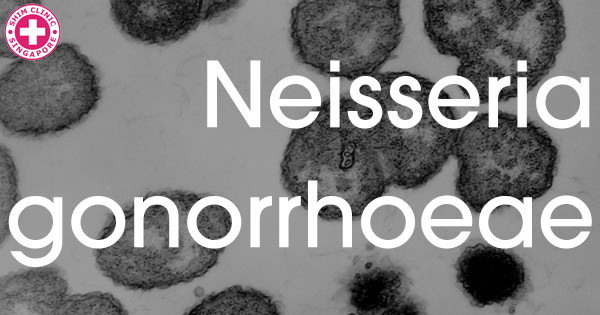
Gonorrhoea is one of the oldest known STDs with evidence suggesting it was present in the human population as far back as ancient Greece and Egypt. It is a gram negative (has two cell walls with a small periplasmic space between) bacteria and consists of two ball-shaped cells joined by a septum thus is called diplococci (di = two, cocci = ball-shaped).
How It All Began
Gonococci are a human obligate pathogen, all of the Neisseria spp. are only found in humans, and it started out as a harmless member of the community of bacteria that colonise the back of the throat. Biologists believe that over time the bacteria Neisseria meningitidis (meningococcal) picked up virulence genes from bacteria passing through and transformed from normal flora (good bacteria) into a dangerous pathogen. At some time in the distance past a strain of N. meningitidis got to the genital region and found it to its liking.
The strain ditched most of the virulence factors required for survival in the harsh regions of the throat and bloodstream and settled down to become a subspecies N. gonorrhoeae. While still able to cause the rare infection in other parts of the body, notably the throat and eyes (eye infection with N. gonorrhoeae is often seen in abused children) it is found now almost exclusively as an STD and those opportunistic infections in other areas of the body are often caused by sexual contact.
The Damage
gonorrhoeae can colonise either the urethra or vagina. Symptomatic infection can cause itching, stinging pain on urination, a smelly discharge and in severe cases can form a biofilm that clogs the urethra causing difficulty in urination. More dangerous is that N. gonorrhoeae has retained the ability it had when it was normal flora to cause asymptomatic infection.
Asymptomatic gonorrhoea is still infectious and is able to hang around for years, possibly causing infections in multiple partners. In women, it is particularly damaging. While the woman infected does not sense the infection, her immune system does. It mounts a response, but due to the location of the bacteria is generally unsuccessful. The continuous mild inflammation eventually results in scarring of reproductive organs. This may cause Pelvic Inflammatory Disease (PID) which is chronic low-grade pelvic pain from the scarring and often results in reduced or loss of fertility. In men it can, in rare cases, cause scarring in the tubes that lead from the testes to the urethra resulting in chronic pain and/or infertility.
Fighting The Growing Resistance
The urogenital area colonised by gonococci, like the brain preferred by its cousin meningococcal, is known as an immunoprivileged site. Despite what that sounds like, it means the immune system finds it very hard to access. There are physical barriers that prevent white blood cells and other immune cells access to the site. The body is often unable to clear the infection without medical assistance.
When gonorrhoea was able to be cured with a single dose of penicillin this was not too much of an issue provided treatment was sought. N. gonorrhoeae however is a genetic whore. Any piece of DNA it encounters it will take up into the cell, line it up with its own DNA to see if there is a match in the sequence. If there is sufficient sequence homology (sameness) then the bacteria will swap the pieces of DNA. It uses this method to pick up any useful DNA in the surrounding area. Bacteria lyse when dead and release their DNA and so if there are any resistance genes in the surrounding bacteria the gonococci will find it. (Fortunately and for reasons unknown as there are comparable numbers of bacteria in the throat as the genital regions, meningococcal has not done this despite having the same ability, so can still be treated with benzyl-penicillin).
Currently there are strains of N. gonorrhoeae resistant to penicillin, tetracycline, and fluoroquinolone. The last effective drug are the antibiotics in the cephalosporin group and already superbug N. gonorrhoeae have emerged in Europe and Japan which are resistant to this last line of defence.
Hope For The Future
There is hope. Superbugs don’t last. Antibiotic resistance genes are not cheap. They take energy to maintain and are lost as easily as they are obtained. Often the resistance is due to mutation in a protein that is less effective in the resistant state. N. gonorrhoeae that are not maintaining four different resistance genes have more efficient cell processes and in the absence of antibiotics can outcompete the superbugs. Given time, they will push the resistant strains out. It is estimated that it takes 60 years for a resistant population to become susceptible to penicillin once the drug is removed and it is likely that a similar time frame exists for the other antibiotics. The antibiotics will start to work again eventually if we stop using them.
This does not help those infected in the short term. It will likely take a century for the resistance to die down. In the meantime, it may be that the only way to avoid a chronic gonococcal infection is to not get it in the first place. Always use protection if you are unsure of your partner’s condition. Get regular screenings and talk to your doctor if you have any doubts.