
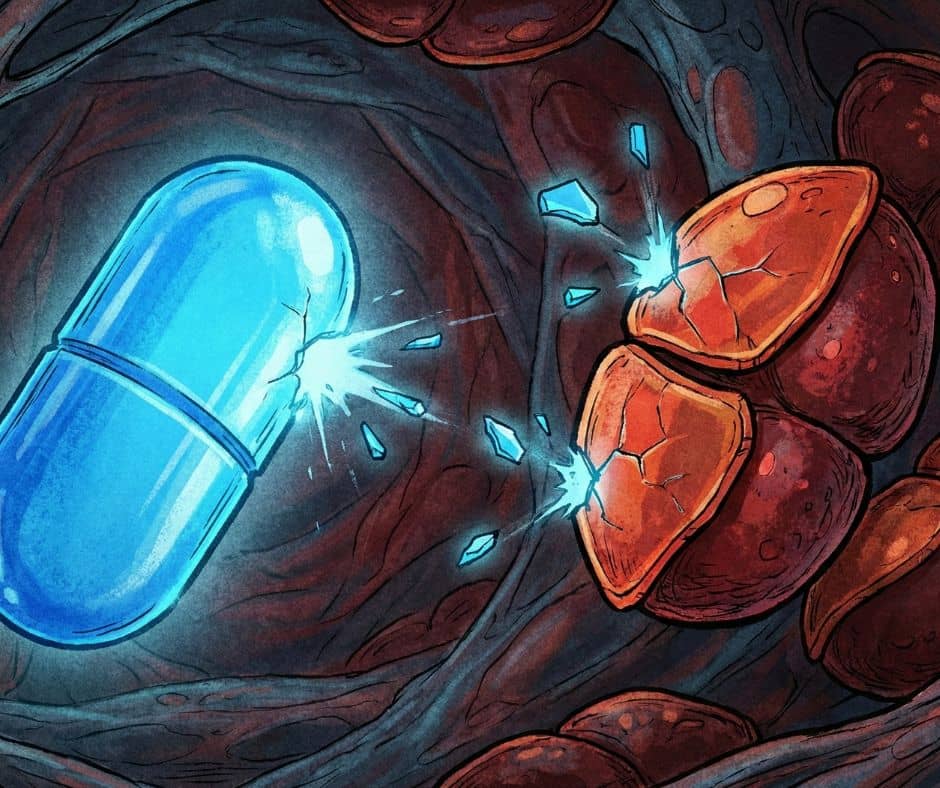
We are currently living through a massive shift in how we manage sexual health that is comparable to the introduction of PrEP for HIV a decade ago. The conversation has moved beyond just using condoms and testing to include biomedical prevention strategies. The most prominent of these new tools is DoxyPEP which stands for Doxycycline Post-Exposure Prophylaxis. The concept is incredibly appealing in its simplicity because it involves taking 200 milligrams of an antibiotic called doxycycline within 72 hours after condomless sex to prevent an infection from taking hold.
For the past few years this strategy has been hailed as a potential game-changer for men who have sex with men and transgender women. Early clinical trials were very promising and showed that it could reduce the risk of chlamydia and syphilis by significant margins. In fact many experts have called it the doxy PEP revolution in STI prevention. However every medical intervention has a trade-off and we are now beginning to see the bill come due for this strategy.
Important new data has recently emerged to clarify these risks. A comprehensive update in Topics in Antiviral Medicine alongside resistance data published in Clinical Infectious Diseases in late 2025 have provided us with the most granular look yet at the long-term impact of DoxyPEP. The findings suggest that while it remains a valuable tool it is driving a concerning rise in antimicrobial resistance particularly in Neisseria gonorrhoeae. This places us in a precarious position where we must balance the benefit of preventing infections today against the risk of creating untreatable superbugs tomorrow.
The Gonorrhoea Resistance Problem
To understand why this is happening we need to understand the bacteria itself. Gonorrhoea has historically been one of the most difficult pathogens to control because it is incredibly adept at evolving. It has defeated almost every antibiotic we have ever used against it from sulfonamides to penicillin and tetracyclines. This history of adaptation helps explain how gonorrhoea outsmarted every cure we invented.
The new data presented in late 2025 paints a concerning picture because doxycycline belongs to the tetracycline class of antibiotics. While it is effective against Syphilis and Chlamydia it has always been weaker against Gonorrhoea. The study found that in cohorts of patients using DoxyPEP the resistance rates are climbing rapidly.
The researchers identified a specific gene called tetM which allows the bacteria to protect itself from the antibiotic. The data showed that tetracycline resistance in Gonorrhoea isolates from DoxyPEP users reached 37.5% compared to just 10.6% in non-users. This means that for nearly 4 out of 10 cases in this group the preventive medication would not work against gonorrhoea.
The Threat of Cross-Resistance
You might think that this is acceptable if we have other drugs to treat Gonorrhoea but the biological reality is more complex. The review flagged a signal of what microbiologists call MIC creep. This stands for Minimum Inhibitory Concentration and it is a measure of how much antibiotic is needed to kill the bacteria. When the MIC creeps up it means the bacteria are becoming stronger and our drugs are becoming weaker.
The alarm bells are ringing because this creep is being observed in Cephalosporins. Drugs like Ceftriaxone and Cefixime are currently our last line of defence for treating Gonorrhoea. While Doxycycline and Cephalosporins are different types of drugs the frequent use of antibiotics can select for bacteria that have multidrug efflux pumps. These are essentially biological machines that pump toxins out of the bacterial cell. If these pumps become more efficient they can pump out Doxycycline and Ceftriaxone alike. This creates a scenario where using one drug might accidentally disable our safety net for treating the infection which is why there is such a desperate need for hope on the horizon for antibiotic resistant gonorrhoea.
Rethinking Who Needs DoxyPEP
The guidelines summarised in the 2025 review reflect a significant shift in strategy. We are moving away from prescribing DoxyPEP to anyone who asks and towards a more targeted approach.
The new consensus is that DoxyPEP should not be used as a general safety net for everyone. Prescribing powerful antibiotics to individuals with a low risk of infection is now considered counterproductive because it destroys healthy gut bacteria and accelerates resistance without providing much benefit. Instead the guidance strictly recommends limiting DoxyPEP to those with a demonstrated need. This specifically includes men who have already had a bacterial STI in the past 12 months or those who engage with multiple anonymous partners.
This nuanced approach allows us to protect the most vulnerable patients while safeguarding the efficacy of our antibiotics for the broader population. It is a strategy of precision rather than mass medication.
The Necessity of Advanced Testing
One of the most critical points raised in the 2025 literature is that if we are going to use biomedical prevention we must upgrade our testing protocols. The old standard of just peeing in a cup is no longer sufficient.
The data from 2025 cohorts showed that up to 50% of Chlamydia and Gonorrhoea infections in high-risk groups were found only in the rectum or the pharynx which is the throat. These are called extragenital infections and they are often completely asymptomatic. If a patient only provides a urine sample these infections will be missed entirely. We know that the spread of STDs through oral sex is a major driver of transmission and requires specific swabs to detect.
This is why three-site testing has become the non-negotiable standard of care. This involves a urine test plus a throat swab and a rectal swab. Identifying these hidden reservoirs is essential for breaking the chain of transmission. It also ensures that if a breakthrough infection occurs while on DoxyPEP we catch it early and treat it with the correct antibiotic. For anyone unsure about their status opting for comprehensive std testing in singapore is the most reliable way to screen for these silent infections.
The Vaccine Horizon
As the utility of antibiotics faces challenges the medical community is turning its attention to vaccines. The review highlights the pivotal role of the Meningococcal B vaccine in the fight against Gonorrhoea.
This vaccine was originally developed to prevent meningitis but the bacteria that cause meningitis and gonorrhoea are genetic cousins. They share about 80% to 90% of their DNA. Because of this similarity the vaccine offers a degree of cross-protection. Observational data from 2025 suggests that the vaccine provides approximately 33% to 44% protection against Gonorrhoea.
While this might not sound like a perfect shield it is significant from a public health perspective. Even a modest level of immunity across a population can slow down the spread of the epidemic significantly. This is becoming a key strategy for 2026 as jurisdictions like the UK aggressively roll out this vaccination programme for high-risk groups.
The Biological Context
It is helpful to zoom out and look at why this is happening now. We are entering what some experts call the post-antibiotic era for STIs. For decades we relied on the fact that we could simply cure any infection with a pill or a shot. That confidence led to a decline in condom use and a reliance on reactive treatments.
Nature however is resilient. Bacteria evolve much faster than we can develop new drugs. The situation with DoxyPEP is a reminder that there are no free lunches in medicine. Every intervention shifts the ecological balance. By flooding our systems with antibiotics we are forcing the bacteria to adapt.
This does not mean we should abandon DoxyPEP because it saves many people from acquiring Syphilis and Chlamydia which are serious infections in their own right. It simply means we must use it smarter. We must combine it with rigorous testing and vaccination and an honest assessment of personal risk.
Navigating Prevention at Shim Clinic
Understanding these shifting guidelines can be confusing but you do not have to figure it out alone. At Shim Clinic we stay abreast of the latest international research to provide care that is grounded in current evidence.
We offer comprehensive consultation services to help you decide if strategies like Doxy PEP or hiv prep are right for your specific situation. We can help you weigh the benefits against the risks based on your lifestyle and medical history.
Most importantly we provide the three-site testing that is now recommended for complete peace of mind. Our STD testing services include the necessary swabs to detect extragenital infections that urine tests miss. We can screen for Gonorrhoea and Chlamydia at all potential sites of infection.
We also offer vaccination services to protect you from other preventable infections. For those worried about potential exposure to HIV we provide timely consultations for hiv pep as well as ongoing prevention advice.
If you are active and want to ensure you are managing your sexual health responsibly you can visit our std clinic to speak with a doctor. We provide a private and non-judgemental environment where you can get the answers and the care you need including rapid hiv testing options.