
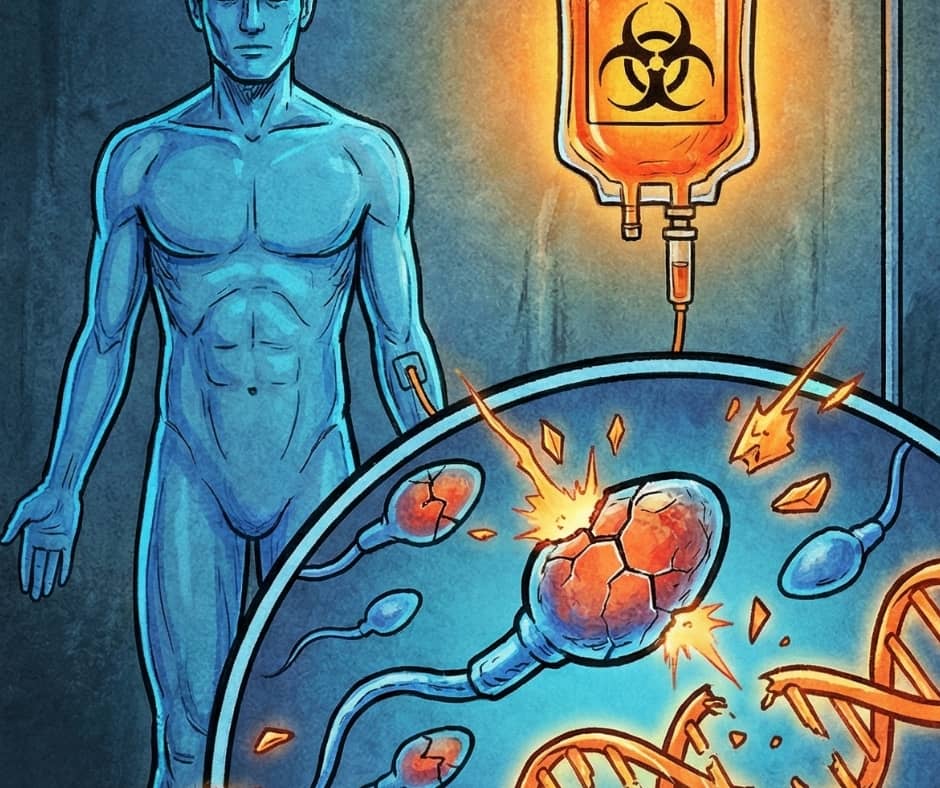
The Hidden Impact of Chemotherapy on Male Fertility
Survival rates for cancers affecting young men have improved significantly over the years and this is especially true for conditions like Hodgkin’s Lymphoma. The focus often shifts to returning to normal routines and planning for a family as men navigate life after recovery. The standard medical reassurance has historically been that fertility is restored once sperm counts return to normal levels which usually happens within 12 to 24 months after treatment. A growing number of couples are facing a confusing reality where they can conceive but struggle with Recurrent Spontaneous Miscarriage.
A significant study published in the Asian Journal of Andrology in late 2025 investigates this specific medical paradox. The research suggests that looking at sperm count alone provides an incomplete picture of male reproductive health because it identifies a deeper layer of epigenetic changes that can persist long after the drugs have left the system. This understanding is vital for patients and clinicians alike as it shifts the conversation from simply achieving a pregnancy to maintaining a viable one.
Beyond Sperm Count: The Epigenetic Code
We need to look at how sperm functions to understand why miscarriages occur despite normal sperm counts. Sperm cells are often thought of as simple delivery vehicles for genetic material but they actually carry complex instructions known as the epigenetic code. This code tells the fertilized egg how to read and utilize the DNA during the very first stages of development.
A process called spermatogenesis occurs during the production of sperm where most of the packaging proteins are replaced by tighter proteins called protamines to protect the DNA. A small percentage of these histones remains along with chemical tags called methylation marks. These marks act like switches that turn specific genes on or off.
The study proposes that certain chemotherapy regimens may act as an epigenetic toxin. The drugs do not permanently destroy the stem cells that produce sperm but they appear to disrupt the delicate methylation machinery used during the regeneration process. This disruption can lead to errors in how the genetic instructions are packaged and delivered.
The 2025 Study Findings
Researchers conducted a detailed analysis using whole-genome bisulfite sequencing on sperm from survivors who had experienced recurrent miscarriages. The results revealed that the sperm carried widespread regions of hypomethylation even though they looked normal under a microscope and could move effectively. This means the DNA was missing critical chemical tags that are necessary for proper development.
These defects were not random because they were clustered around specific genes responsible for early embryogenesis and the formation of the placenta. The researchers described this as an epigenetic scar that persists on the DNA. The sperm effectively delivers a corrupted instruction manual to the egg even years after chemotherapy. This damage does not prevent fertilization but it can lead to developmental arrest and miscarriage in the first trimester because the embryo lacks the proper signals to grow.
You can read the full technical details of this methylation profiling in the Asian Journal of Andrology report or access the PDF via ResearchGate.
Implications for Family Planning
This research alters how we view recovery and fertility preservation by suggesting that the definition of recovery should expand beyond standard semen parameters like count and motility. The quality of the DNA payload is just as critical as the quantity of sperm for male cancer survivors.
The Importance of Sperm Banking
The most actionable takeaway from this research is the critical importance of sperm banking. The assumption that certain chemotherapy regimens are safe or fertility-sparing may be incomplete regarding miscarriage risk. Medical consensus now strongly supports banking sperm before the start of any chemotherapy treatment. Using pre-treatment sperm remains the most reliable method to ensure that the genetic material used for conception has not been exposed to potential epigenetic disruptors.
Pre-Conception Screening
Standard fertility checks may not reveal the issue for couples who are already in the post-treatment phase and experiencing difficulties. It is often recommended to undergo comprehensive health screenings in these cases. Ensuring that both partners are free from other complications is a standard part of responsible family planning. This often includes routine std testing to rule out infections such as chlamydia or gonorrhoea because these can also impact fertility.
Men’s health involves a broad spectrum of care and conditions like erectile dysfunction or premature ejaculation can sometimes be linked to the psychological stress of fertility struggles or previous medical treatments. Addressing these concerns holistically is part of maintaining overall reproductive well-being.
Navigating Men’s Health at Shim Clinic
Understanding the complexities of male health requires a supportive and private environment. Access to accurate information is essential whether you are navigating the long-term effects of medical treatments or simply ensuring your sexual health is managed responsibly.
Shim Clinic provides consultation services for men’s sexual health concerns. We offer std clinic services including screening and management. We also provide hiv pep and hiv prep for patients prioritizing prevention.
If you have questions about sexual health or need a general check-up you can speak with our doctors in a confidential setting.