
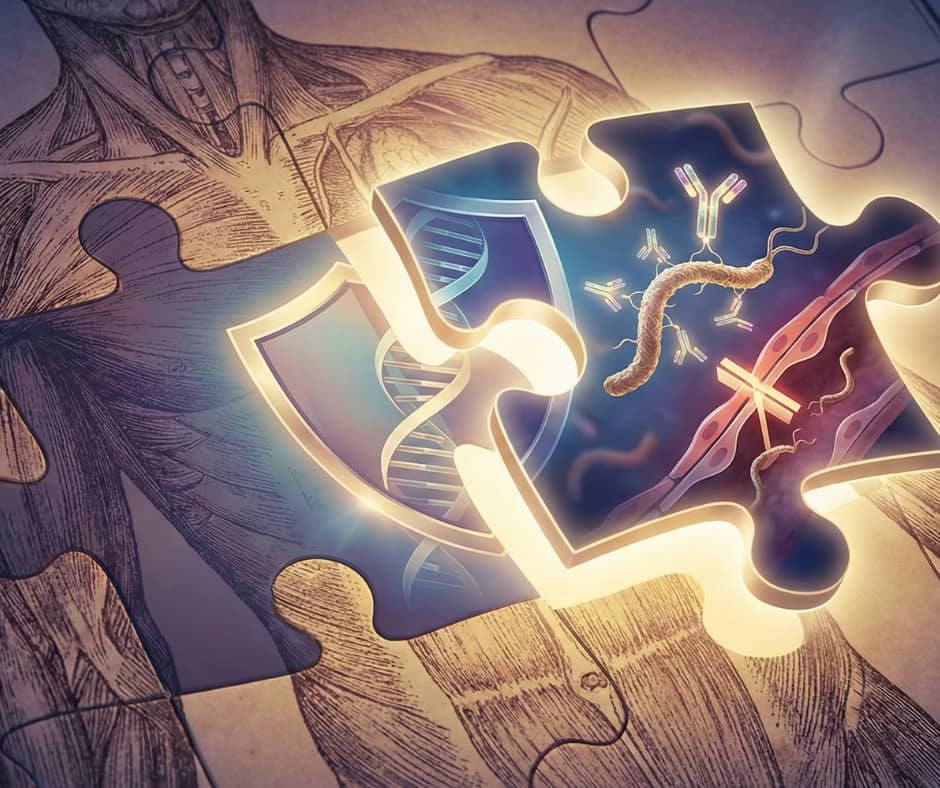
Solving the Century Old Puzzle of Syphilis Prevention
Syphilis has been causing health crises for hundreds of years and cases have risen steadily over the last decade. While doctors can treat the infection with penicillin, experts now agree that the logistical difficulties of massive screening programmes combined with the ability of the bacteria to remain latent mean that global eradication is effectively impossible without a vaccine. This conclusion is supported by recent clinical updates on sexually transmitted infections which highlight the limitations of current control methods.
Scientists have struggled to create a syphilis vaccine for a century because the bacteria known as Treponema pallidum has a fragile outer surface that is difficult for antibodies to target. Two major studies released in 2025 have finally provided the breakthroughs needed to change this situation.
A DNA Vaccine That Prevents Organ Damage
A study published in Nature Communications demonstrated significant protection in animal models using a specific type of DNA vaccine. This vaccine targets a protein called FlaB3 which is found on the flagella or the tail-like structures the bacteria use to move.
Researchers previously thought these flagella were hidden inside the bacteria and could not be targeted by the immune system. The new study proved that these proteins are revealed during infection which makes them excellent targets for a vaccine.
The results were impressive as the vaccinated subjects showed a robust immune response involving both antibodies and T cells. Most importantly the vaccine significantly reduced the spread of the bacteria to critical organs like the liver and spleen. Preventing this spread is vital because it stops the devastating complications of syphilis such as brain infection or transmission during pregnancy.
You can read the full study details at Nature Communications.
Understanding How Syphilis Invades the Body
We need to know how the bacteria leaves the bloodstream to design better vaccines. A separate 2025 study in Frontiers in Microbiology mapped exactly how Treponema pallidum interacts with the blood vessels in the brain.
The researchers discovered that the bacteria tricks the cells lining the blood vessels into changing their structure. This process causes the cells to lose their tight connections and allows the bacteria to slip out of the blood and into the tissues.
This discovery identifies specific receptors that the bacteria uses to trigger this change. Scientists can now design vaccines that block these receptors and potentially lock the bacteria in the bloodstream where the immune system can easily destroy them. You can access the full report via Frontiers in Microbiology.
Modern Care for Persistent Infections
These discoveries suggest we are closer to a syphilis vaccine than ever before. However, routine std testing remains the best tool we have right now to manage sexual health. Early detection prevents the bacteria from causing the long-term damage described in these studies.
Whether you need a check-up for syphilis or other services like hiv testing and advice on hiv pep, it is important to stay proactive about your health.
Book Your Screening at Shim Clinic
We provide discreet care to help you manage your sexual health.
Book a consultation with Shim Clinic today to ensure you are screened for all common infections.