Researchers explain why a man in Amsterdam who was constantly taking HIV PrEP the highl acclaimed HIV prevention drug still got infected with the virus.
Continue readingAmsterdam PrEP Failure Patient a Unique Course of Seroconversion

Researchers explain why a man in Amsterdam who was constantly taking HIV PrEP the highl acclaimed HIV prevention drug still got infected with the virus.
Continue reading
The NHS could save billions by making HIV PrEP drug available to everyone at a lower cost. The drug is believed to prevent HIV infection for 1 in every 4 cases.
Continue reading
HIV/AIDS related deaths are no longer th eleading cause of death in Africa. HIV/AIDS is now the second cause of deaths after lower respiratory tract infections.
Continue reading
A new research has found that more transgender women in the US are acquiring HIV from sharing drug injecting tools more than from having sexual intercourse.
Continue reading
HIV/AIDS is still taboo topic in the In the Democratic Republic of Congo (DRC). Rampant HIV stigma has seen the number of HIV/AIDS deaths continue to rise.
Continue reading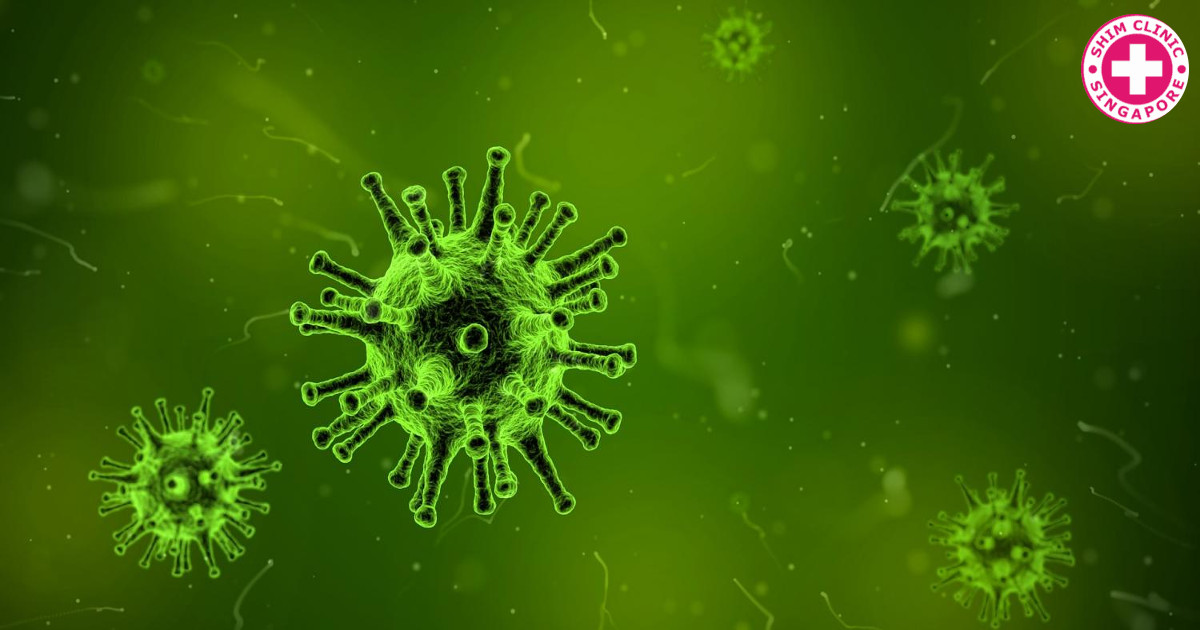
Throughout history, viral and bacterial infections have both been responsible for killing millions of people every year. While viruses and bacteria alike can cause a number of different infections that can be mild or severe, viruses are certainly not the same as bacteria. With that said, it is important to know the difference between bacterial infections and viral infections, because the wrong type of treatment may lead to more serious health problems as well as immunity to antibiotics.
Viruses and bacteria are both microscopic in size, which means that they cannot be seen by the untrained eye. But that, along with their symptoms, is where the two organisms’ similarities end.
A bacterium is a small cell that can survive by itself. These organisms have a rubber-like membrane with rigid walls. Bacteria can survive heat, cold, and even radioactivity.
Contrary to popular belief, most bacteria are not harmful some bacteria can be good for the body, such as the bacteria in our digestive systems that helps us break down foods that we eat. It is reported that only 1% of bacteria is harmful to humans.
Viruses are even smaller than bacteria. In fact, the largest virus is smaller than the smallest bacteria ever measured. Viruses have a protein coating that surrounds a core genetic material. Unlike bacteria, viruses are not cells. Viruses only reproduce when inside a living host, which means they only multiply when they play the role of a parasite.
As you have already may have assumed, viral infections are caused by viruses, and bacterial infections are caused by bacteria. Not that you are more acquainted with how harmful bacteria and viruses work, you can understand how important it is to know the source of possible infections that these organisms can cause. When a doctor knows whether an infection is from bacteria or a virus, they will know the best ways to fight it. The best STD testing Singapore can tell whether or not you have a viral or bacterial infection.
There are 4 STDs causes by viruses and 3 that are caused by bacteria. HIV, genital warts, genital herpes, and hepatitis are the viral STDs, whereas Syphilis, Chlamydia, and Gonorrhea are bacterial STDs. To experience the best STD testing Singapore has to offer, visit your professional medical clinic.
Other infections that are not STDs which come from bacteria include urinary tract infections, ear infections, whooping cough, and strep throat. For infections that originate from the virus, some infections include many forms of coughing, bronchitis, the flu, and even chicken pox.
As mentioned previously, viral and bacterial infections both have roughly the same list of symptoms. Such symptoms include fatigue, diarrhea, fever, vomiting, cramping, and inflammation of a skin or body part. You can inherit a malicious bacteria or virus commonly from a cough or sneeze from another person, contact with an infected person, most frequently through intimacy or romance, contact with an infected animal or insect, and contact with surfaces, food, and water that is contaminated.
Since viral and bacterial infections are caused in the same way, doctors will use samples of urine, stool, or blood to test a patient in question.
Bacterial infections can be treated with antibiotics. Although using too many antibiotics can make the infection resist them all. In cases of viral infections, however, antibiotics are ineffective. While viral infections are harder to treat than bacterial infections, due to their size and ability to reproduce in the human body, what is known as a vaccine is what drastically treats and prevents many different kinds of viral infections.
LGBT health organisations have called upon president Hogan to act on his promise to fight HIV and make access to PrEP among gay men more easier and affordable.
Continue reading
The state of Delaware has increased its efforts to screen newborn babies and teenagers for STIs in a bid to curb infections that becoming hard to treat.
Continue reading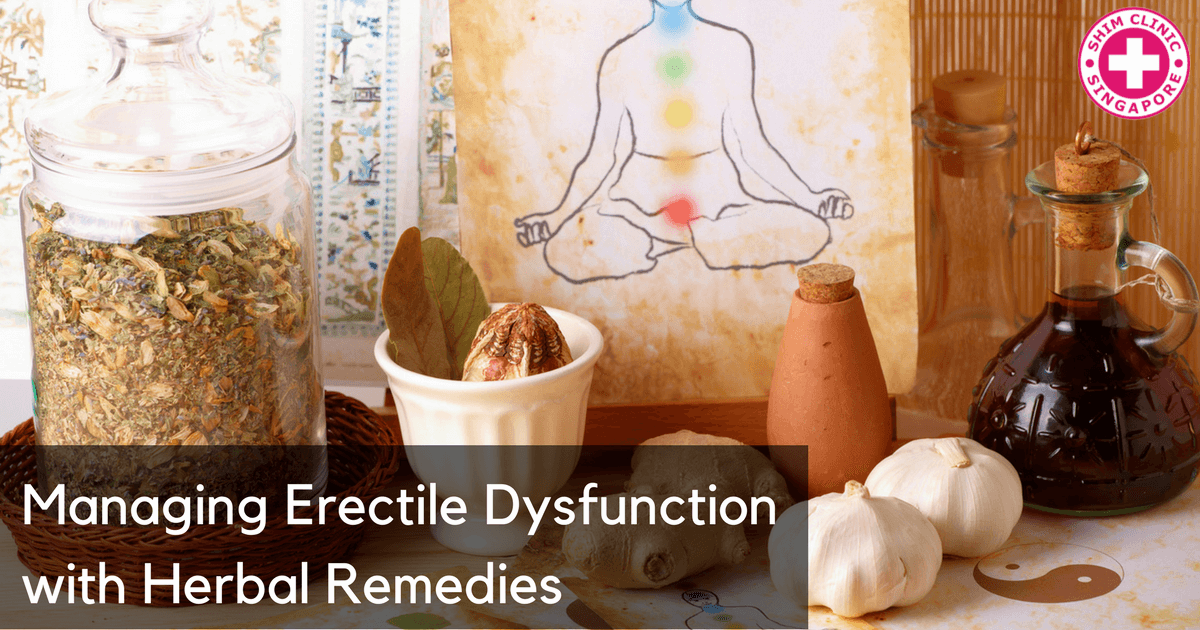
Suffering from erectile dysfunction? Here are 7 natural herbal remedies that will help you manage the condition and experience minimal side effects.
Continue reading
More girls in Kenya are born with the HIV virus compared to boys. On the other hand, more HIV+ boys than girls die before they are born.
Continue reading