A poison produced by a deadly Brazilian spider could soon be the answer to treating erectile dysfunction especially in men who suffer from heart problems.
Continue readingWhat Happens When Sexually Transmitted Diseases go Untreated
Sexually transmitted diseases (STD’s) are a fact of life for many people worldwide. They are largely stigmatized, and most people try and keep their history of STD’s to themselves. Nearly every sexually transmitted infection requires the intervention of a medical professional, and a course of some kind of medication. Asking for help can be embarrassing for some, and there are times when patients will avoid telling anyone until it gets so bad that they can no longer ignore it.
These people run the risk of doing permanent damage to their bodies. Some STD’s will continue to progress until they pose serious health risks, and some can even lead to infertility. If people are particularly afraid to speak to a family doctor, there are some clinics that can offer medical attention and basic antibiotics. The one thing that people should never do is to simply ignore the problem, and hope it goes away on its own.
In all reality, most STD’s can now be cured with a fairly easy process. A single doctor’s visit can sometimes save you months of pain and discomfort. These diseases can also interfere with your life. You may shy away from sexual activity, or fear judgement from potential partners. Don’t hesitate to seek help from a STD clinic. If you’re nervous- consider some of the consequences below:
Pelvic Inflammatory Disease
This is a disease that effects women who have experienced untreated bacterial STD’s. It can begin without symptoms, and get very bad very quickly. Symptoms include pain in the lower belly, abnormal or foul smelling discharge, general feeling of malaise, bleeding between menstrual cycles, and difficulty with urination. In some cases, PID can also cause a high fever, vomiting, severe pain, and even a loss of consciousness. If caught early, it can generally be treated with an extended round of antibiotics. There are some cases that require actual hospitalization with a steady stream of IV antibiotics.
Permanent Brain Damage
This is just as frightening as it sounds. Syphilis is one of the most dangerous STD’s there is due to the wide range of permanent damage it can do. It must be treated immediately to ensure a full recovery. Shortly after contracting syphilis symptoms such as open sores, hair and weight loss, fever, fatigue, swollen glands, and even a widespread rash can occur. It is incredibly important to discuss this with a doctor and to start treatment immediately. After a few weeks, these symptoms may seem to subside. The bacteria are still very much present and at work within your body. This phase is extremely dangerous, and can last years before more serious symptoms begin to present themselves. The last stage of syphilis is referred to as the tertiary stage. At this point the bacteria will have infected internal organs. Cardiovascular syphilis is an infection of the heart. It can do permanent damage to blood vessels and the actual heart muscle itself. Even with antibiotics, this damage is irreversible. Neurosyphilis is the term used when the bacteria have infected the brain and nervous system. This can do serious damage to everything from vision to motor skills, and can eventually lead to death if left untreated.
Cancer and Infertility
Human Papilloma Virus (HPV) is the most common STD there is. Most strains will resolve themselves with time, but others can lead to the development of cervical cancer. This is treatable when caught early, but can cause serious complications when neglected.
Almost all STD’s have the potential to do serious damage to your reproductive organs. This can result in permanent infertility, and an inability to carry a pregnancy to term. Some STD’s will remain latent, but can be passed on to future children. Regardless of the trepidation, get checked regularly.
6 Reasons Why You Should Go for Regular STD Testing
The rate of STDs spread in ever increasing. According to new study, 70% of people who are sexually active assume the importance of STD testing.
It is important that you undergo STD testing at one point in life if you cannot manage regular testing. This is because any people who have undergone sex including those who might not be considered as “high risk” could easily get exposed to STDs.
Despite the high rate of STD infection, most people are still not aware of the importance associated with regular testing. Here are six reasons why you need to undergo STD testing on a regular basis.
1. Helps save Relationships
No one would imagine of having a cheating partner. Even people who are in monogamous relationships can have STDs acquired from previous relationships though they do not know until the symptoms worsen and start blaming each other. However, all these can be resolved get tested for STDs before being involved sexually. It will be beneficial in the long run for you to get tested for STDs.
2. It Is Quick and Easy
The process of STD testing is quick and easy. You do not have to be subjected through any form of pain nor are needles involved. There are tests that just involve urine sample while others involve swab of saliva sample. It is possible to get tested in privacy at your home in case you are not comfortable with going to an STD clinic. There are STD testing kits you can buy online in case you are interested in testing yourself at home.
3. Most of the STDs are Curable
Most people usually have the perception that STD is a death sentence as it used to be a few decades ago. Never be ashamed of having an STD since any person can have it. Most of the sexually transmitted diseases are treatable today hence it is advisable you find out if you are suffering from any to help treat it before it worsens. Never shy away or fear from knowing if you have been infected since there are treatments and cures available in most of the STD clinics.
4. Even Virgins Do Have STDs
Even if you are having sex with a virgin, you can never be certain that they do not have the disease. There are STDs that are transmitted through skin to skin contact. In fact, there are sexually transmissible conditions such as oral herpes which can be transmitted to family members who have casual affection to each other.
5. Most Diseases Have Same Symptoms
Most of the STD symptoms are usually similar to symptoms of other diseases such as loss of energy, fever, weakness, cold sores, etc. You can always confuse the symptoms for something else until you get tested.
6. An Indication that you Respect your Sexual Partner
Getting tested for STDs is also an indication that you have an open, accurate and honest relationship with your sexual partner about risks in engaging in sex and importance of practising safe sex.
There is no way you will disclose your STD status to your partner unless you have all undergone STD testing. Though it is a great idea to practise safe sex even in low risk situations, it is always nice to make informed choices concerning your sexual health. You can never tell whether someone is infected with an STD just by looking or depending on what they do. The only you way can reveal your STD status is by getting tested. Though the results might not be 100% perfect, it is far more accurate than depending on assumptions and guesswork.
Important Things To Know About STDS
Cases of sexually transmitted diseases, or STDs, are increasing every year. These are serious diseases that people can catch after intimate activities, such as sex, with another person. These are common among teens that want a jump start in what it means to be an adult.
If you are a teenager or young adult, it is important to know how you can avoid the risk of giving and receiving STDs, so it’s important to be aware what they are capable of and how serious they can effect one’s life.
STDs include the following:
- HIV and AIDS
- Gonorrhea
- Chlamydia
- Genital Herpes
- Trichomoniasis
- Hepatitis B
- Syphilis
and Pelvic Inflammatory Disease
These are all serious conditions that can range from inflammation to parts of the body to eventual death of the recipient. Look up each condition to review their common STD symptoms so you can anticipate what would come to you or another person you may know.
Sexually transmitted diseases do not mean these are diseases that exclusively come from sexual intercourse. Many cases of STD originate from contact with an inflammation or infected part of the body, usually on the skin.
STDs are hard to identify on a person. In fact, it could be a while before a person finds out that they have an STD, and they could transfer their STD to their partner without ever knowing about it.
There are three different ways a young teenager can be at risk of getting an STD, and they are the following:
Sex at a young age.
The younger a person’s age, the more likely they are developing an STD. Younger people tend to not have or want the resources to learn about treating or preventing STDs, or decide to not take any abstinence tests to get educated on the risks of STDs.
Multiple partners.
If a person has sex with many different men or women, they are more likely to spread and/or receive an STD. One or two of the people one may have sex with could be carrying malicious bacteria or infections on the skin, which would increase the risk of STDs. This does not just apply to teenagers, but older adults as well.
No protected sex.
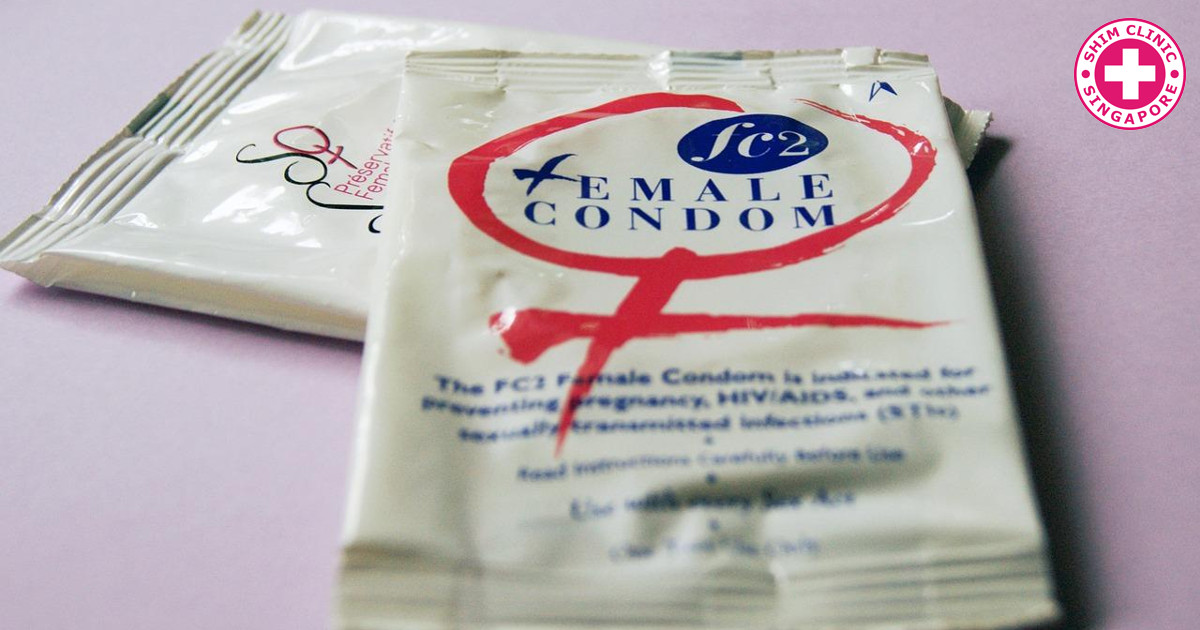
You probably will not know if you send or receive STDs from your partner, so as insurance, couples should use latex condoms to reduce their risk. You may have heard of methods to prevent a woman from getting pregnant, but condoms are the only method of filtering disease from entering another body.
It is a lot easier to prevent STDs than they are to be treated. Not having sexual activity is the only surefire way to avoid getting an STD.
This is called abstinence. If one insists on having sexual activity, condoms are necessary to reduce the chances of catching an STD.
It is also recommended to avoid alcoholic beverages. You may try to be careful not to have sex, but people under the influence likely wouldn’t be able to control their actions.
If you or your partner thinks they have an STD through common STD symptoms, contact a doctor right away to be examined. If you don’t want to reveal anything to our family doctor, than a local clinic would be able to inspect you or your partner.
You may see signs of STDs while you might think of them as symptoms like an inflammation of the lips, but they could turn out to be false alarms. A doctor can always tell if they are signs of STDs or not, so it’s never a bad thing to have them take a look.

‘Stealthing’ Becomes a Major Issue in HIV/AIDS Prevention
Stealthing, the act of men removing the condom during sex without the knowledge or permission of their partners is raising concerns of increased HIV infections.
Continue readingHow PEP Works, When You May Need To Take It and Where to Get it
Post-exposure prophylaxis (PEP), the HIV morning after pill is effective in preventing HIV if you have been exposed to an infected person. Here’s how it works.
Continue readingWhat You Should Know About Caffeine And Erectile Dysfunction
Did you know that caffeine could ease your erectile dysfunction? A study found that caffeine has similar properties as Viagra that help improve blood flow.
Continue readingCommonly Ignored STD Signs That Indicate It’s Time To Get Tested
So you show no signs of having an STD, how do you know it’s time to get tested and protect yourself from the damage caused by STDs? Here are 5 ways to tell.
Continue readingExercises To Eliminate Erectile Dysfunction
Doctors are encouraging erectile dysfunction patients to explore natural treatment for the condition. One such method is trying these two exercises.
Continue readingMen and the Youth in Botswana Continue to Shun HIV Testing
Botswana is making huge strides in fighting HIV but is currently facing a major challenge of men & youths not getting tested or wanting to know theor status.
Continue reading