Premature Ejaculation is not an easy topic and it’s often taboo in today’s society. However, there are proven ways to get rid of it.
Continue readingAffected by Premature Ejaculation? It may be temporary.

Premature Ejaculation is not an easy topic and it’s often taboo in today’s society. However, there are proven ways to get rid of it.
Continue reading
You’ve been exposed to HIV and you don’t know what to do? Read this article to learn more about PEP (post-exposure prophylaxis), the treatment you should take within 72 hours along HIV testing.
Continue reading
Scientists are worried that a new drug resistant HIV strain recently found in the Philippines could lead to a new epidemic calling for urgent research in order to find treatment.
Continue reading
London men suffering from erectile dysfunction more than men in other parts of the UK. They are also the most likely to ignore the condition and skip treatment.
Continue reading
There’s need for more support in offering HIV PrEP to adolescents at high risk of acquiring HIV. This population has been ignored leading to high HIV rates. The study concludes that this population requires a higher level of monitoring to ensure adherence, thus higher levels of success.
Continue reading
Gay and bisexual men in New York City using the oral form of HIV prevention drug PrEP, would prefer to have the injectable form of the drug.
Continue reading
HIV can be difficult to diagnose as the symptoms are normally similar to those of other diseases. Here’s a quick guide on how to correctly identify HIV symptoms.
Continue reading
Do you think there is a chance to be at risk? Perhaps you just had a steamy night but you didn’t take safety precautions as you should have done. Well, it’s true to believe you might have put yourself at risk of contracting HIV. Luckily, there’s a chance to keep you safe. The answer is Post-Exposure Prophylaxis (PEP), an anti-HIV medication that you have to take in a course of 4 weeks. These can potentially lower the chances of HIV infection after exposure. Keep in mind that you have to start this medication 72 hours after exposure. Consider these 5 tips for effective use of PEP.
Proper timing
The most important step in the effective use of PEP is to begin the medication as soon as possible after exposure. The recommended period to seek PEP is not to exceed 72 hours after exposure.
The situations when to seek PEP include:
Understand when not to use PEP
This anti-HIV medication is not for oral sex or other low-risk sexual activities. If you are unsure of the risk involved, ensure to talk to a professional who will tell you more about the possible risk. You might not be at risk of HIV but you cannot rule out picking up of other STDs. Therefore, take time to visit a professional clinic where to get professional advice or a blood test. This is highly recommended if you have sexual encounters with more than one partner.
Give the medication chance to work
For more effectiveness, ensure to visit a nearby reputable clinic to start HIV PEP a few hours after exposure. The medication is less likely to work if you visit the health center after 72 hours. Starting the medication earlier after exposure comes with the greater chance of working. When on the medication, ensure not to miss your medication to get the best odds against the infection. Ensure to take your medication regularly for a month without missing.
Understand potential side effects
Just like other antiretroviral medications, PEP has a risk of side effects. These might include:
These side effects are mild and last for only a few days. Therefore, ensure to talk to your doctor if you still have concerns about the likely side effects of PEP.
Be prepare for whatever comes
There is no guarantee that PEP will save you from HIV infection. You are highly recommended to stay safe . Below are 5 ideas that can help you stay safe from contracting HIV:
Bottom line
Dealing with HIV is not an experience everyone would wish to undergo. When you think there’s a chance of getting exposed, never hesitate to visit a reliable clinic for PEP. Taking PEP within 72 hours after exposure might save you from contracting HIV.

It is a lot worse to not know whether-or not you might have syphilis rather than know for certain. Syphilis is a common STD that can take a damper on various systems inside your body if it isn’t treated and diagnosed. Even though it poses a serious threat to a person, it can easily be contained in the early stages of development with antibiotics.
If you fear that you might have STDs such as syphilis, or you might be curious about how syphilis is spread, continue reading to learn more about this STD that Singapore can do without.
Syphilis is known as the “great imitator” among medical experts. The one thing that separates it from the other STDs like gonorrhea is chancres. Chancres are identified by their small, round appearance, acting as sores in the skin or body. Syphilis can spread from one person to another through these sores. Like almost any other STD Singapore identifies, you can’t get syphilis or give someone else syphilis from casual contact, such as hugging or sharing food. Syphilis is instead shared through sex from the mouth, vagina, and/or anus. Occasionally, it can also be developed via prolonged periods of kissing or deep bodily contact.
Additionally, syphilis can be passed from a pregnant woman to her unborn child. If you are pregnant, it is recommended to be tested for STDs as soon as possible.
The development cycle of syphilis is documented by three phases. The first phase commences with the appearance of the first chancre. This phase normally starts within the first 30 days of its infection. This phase can last for a duration of three to six weeks in total. It is very hard for most people to tell if they have syphilis or not, because the symptoms are rather concealed, and its carriers continue to live life as normal. Either the chancres are so small they are extremely hard to notice or are in places on the body that are difficult to spot, such as within the anus or vagina.
The second phase of syphilis allows the development of lesions or rashes, and these inflammations are definitely-noticed by their carriers. In addition to rashes, the carrier can also experience swollen glands, headaches, loss of hair, fever, fatigue, and weight loss. Whether or not you see a doctor or get additional treatment, this second phase will pass. If these symptoms eventually go away, that doesn’t mean that your symptoms are completely gone, getting tested is the only way for you to be completely sure.
The third phase is known as the “latent phase”. This phase can last for decades after contraction, and people who have lived with syphilis may continue to do so without experiencing any further pain. Even so, there is always a chance that syphilis can negatively affect the brain, eyes, liver, heart, and/or nerves. Syphilis is also able to enter the nervous system or eyes, which can lead to conditions from mild headaches to paralysis or even blindness.
If left untreated, syphilis is known to give its carrier some menacing effects. Thankfully, breakthroughs in today’s medicine that treats syphilis rarely guarantee similar issues. Syphilis is often treated with an injection of penicillin, but those who are allergic to penicillin can choose another antibiotic for treatment. If you are sexually active, your partner should also receive treatment.
Getting tested for STDs is something that many people are afraid of doing. While it may seem frightening just to go through testing, learning about your own sexual being and well-being is important.
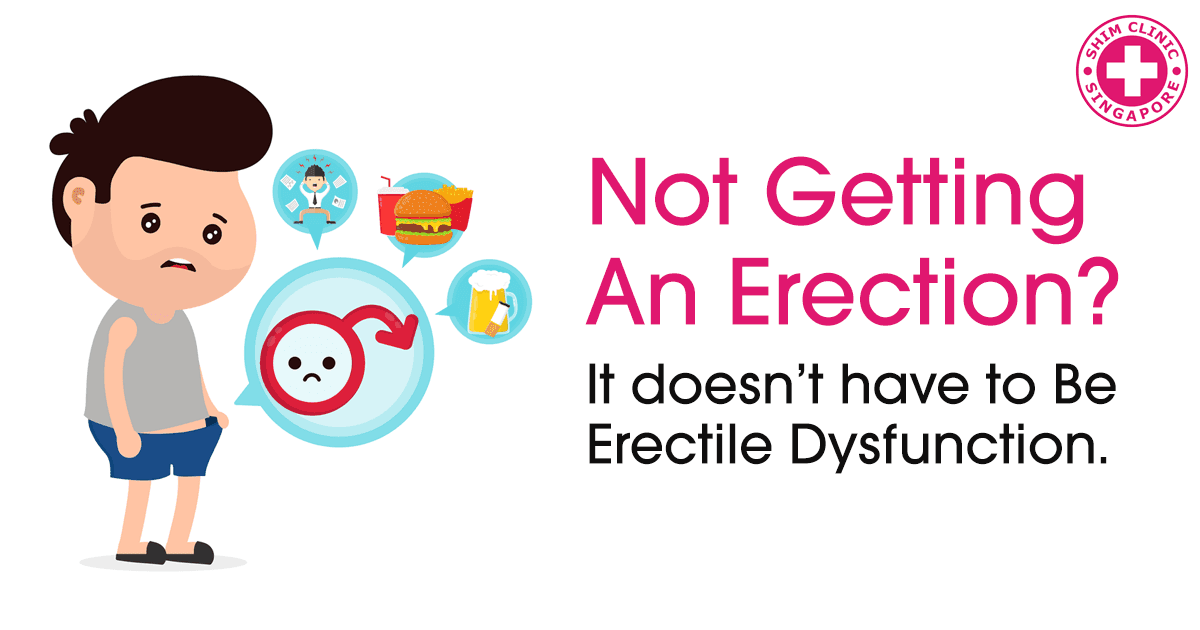
Failure to get an erection is not always linked to erectile dysfunction. There are many other harmless reasons for a limp penis. We explain a few of these.
Continue reading